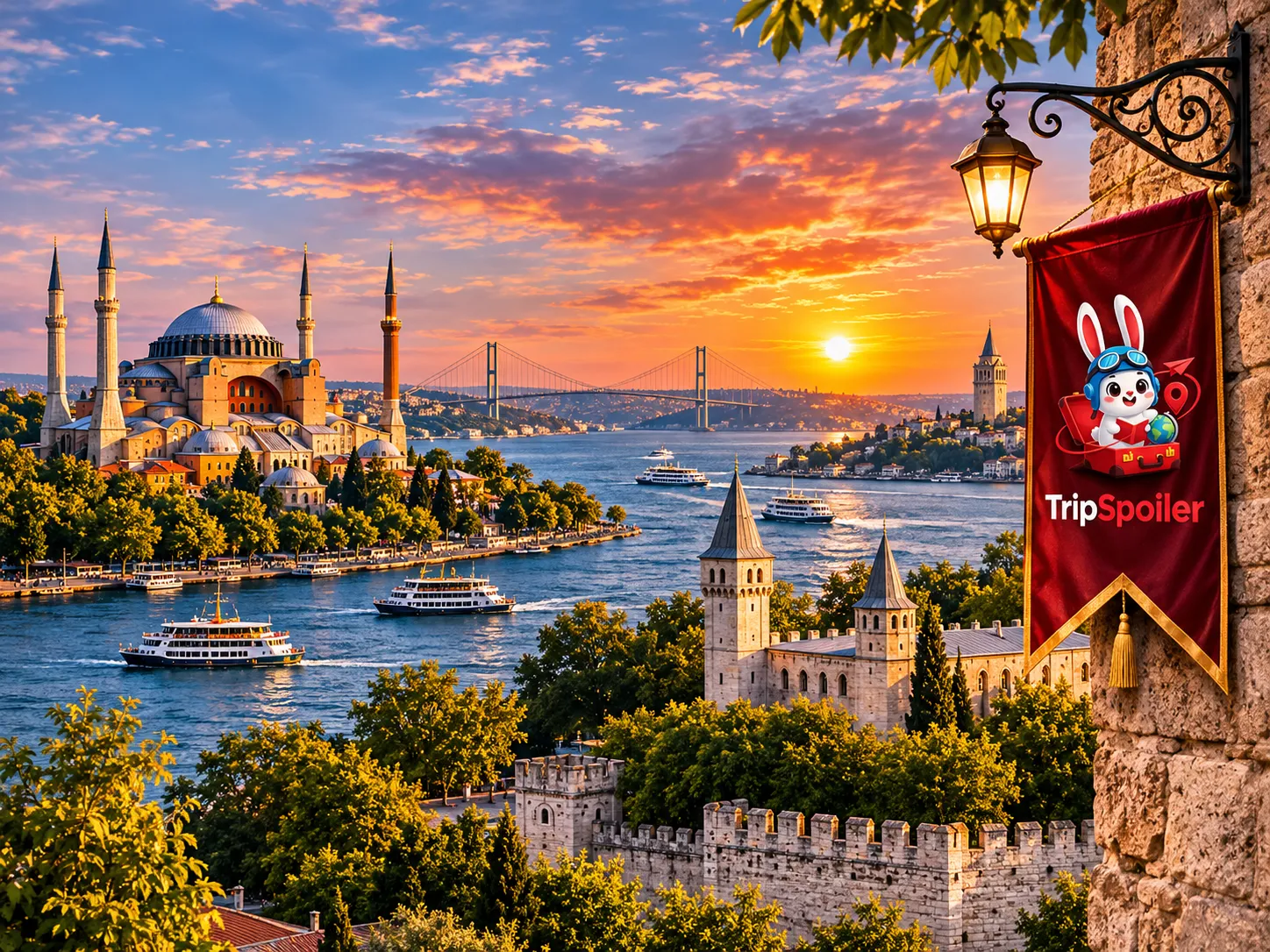
YOUR NEXT DESTINATION
Istanbul Türkiye Experience the city. Discover its stories.
From iconic landmarks to hidden gems, discover the best things to do, unforgettable experiences and local favourites. Everything you need to explore the city like you belong.
Things to see
01 / 10
Istanbul Uncovered: A City of Contrasts, Culture and Extraordinary Experiences
2 min read
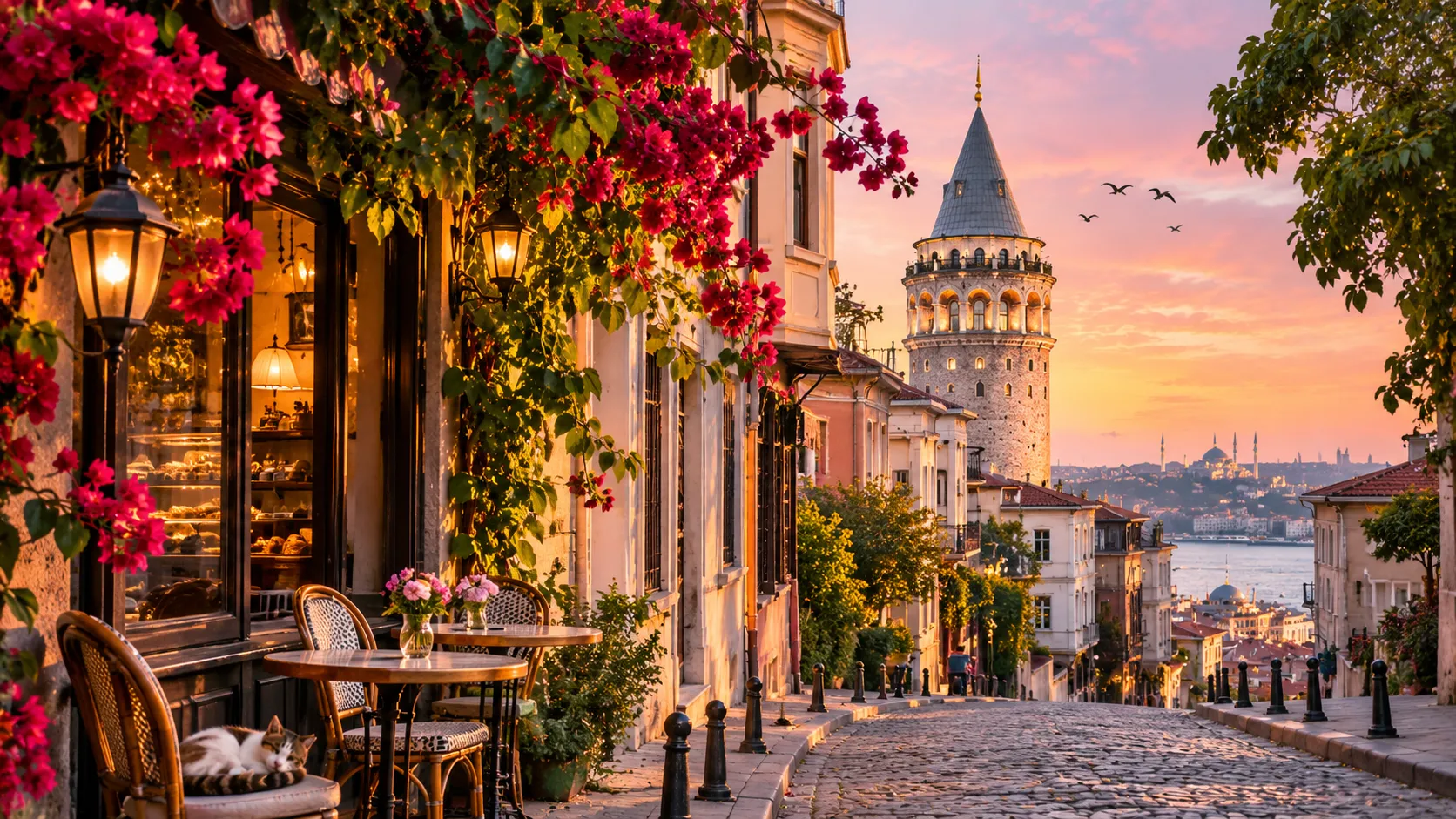
Istanbul is a city shaped by centuries of history, cultural encounters and ever-changing urban life. Stretching across two continents, it brings together Byzantine heritage, Ottoman architecture and contemporary creativity in a way few destinations can match. From the grandeur of its imperial palaces and historic mosques to the lively waterfront districts and atmospheric backstreets, every part of the city reveals a different side of its character.
Discover Istanbul beyond its most recognisable landmarks. Wander through the historic streets of Sultanahmet, explore the creative energy of Karakoy and Galata, experience the colourful neighbourhoods of Balat and Fener, or cross the Bosphorus to discover the distinctive atmosphere of Kadikoy and the Asian side. Each neighbourhood offers its own perspective on the city's traditions, everyday life and evolving identity.
The Bosphorus remains at the heart of Istanbul's charm. Take in the waterfront palaces, historic mansions and iconic bridges on a scenic cruise, enjoy the changing skyline at sunset or discover the city's maritime heritage through its coastal districts. For those interested in culture and history, Istanbul's museums, architectural landmarks, traditional markets and centuries-old monuments offer endless opportunities for exploration.
Beyond its architecture and history, Istanbul is a destination best experienced through its everyday details. Discover the flavours of Turkish cuisine, visit traditional bazaars, enjoy authentic local cafés, experience a traditional hammam or explore the city's vibrant food and art scenes. Whether through a guided cultural tour, a private sightseeing experience, a culinary discovery or a memorable boat journey, there are countless ways to connect with the city.
Istanbul is not simply a destination to visit; it is a city to experience, explore and understand. With TripSpoiler, discover experiences that reveal its many layers, uncover places worth remembering and see Istanbul from a perspective that goes beyond the ordinary.
Food & drink
02 / 10
Istanbul at the Table: A Journey Through Flavours, Traditions and Local Food Culture
4 min read
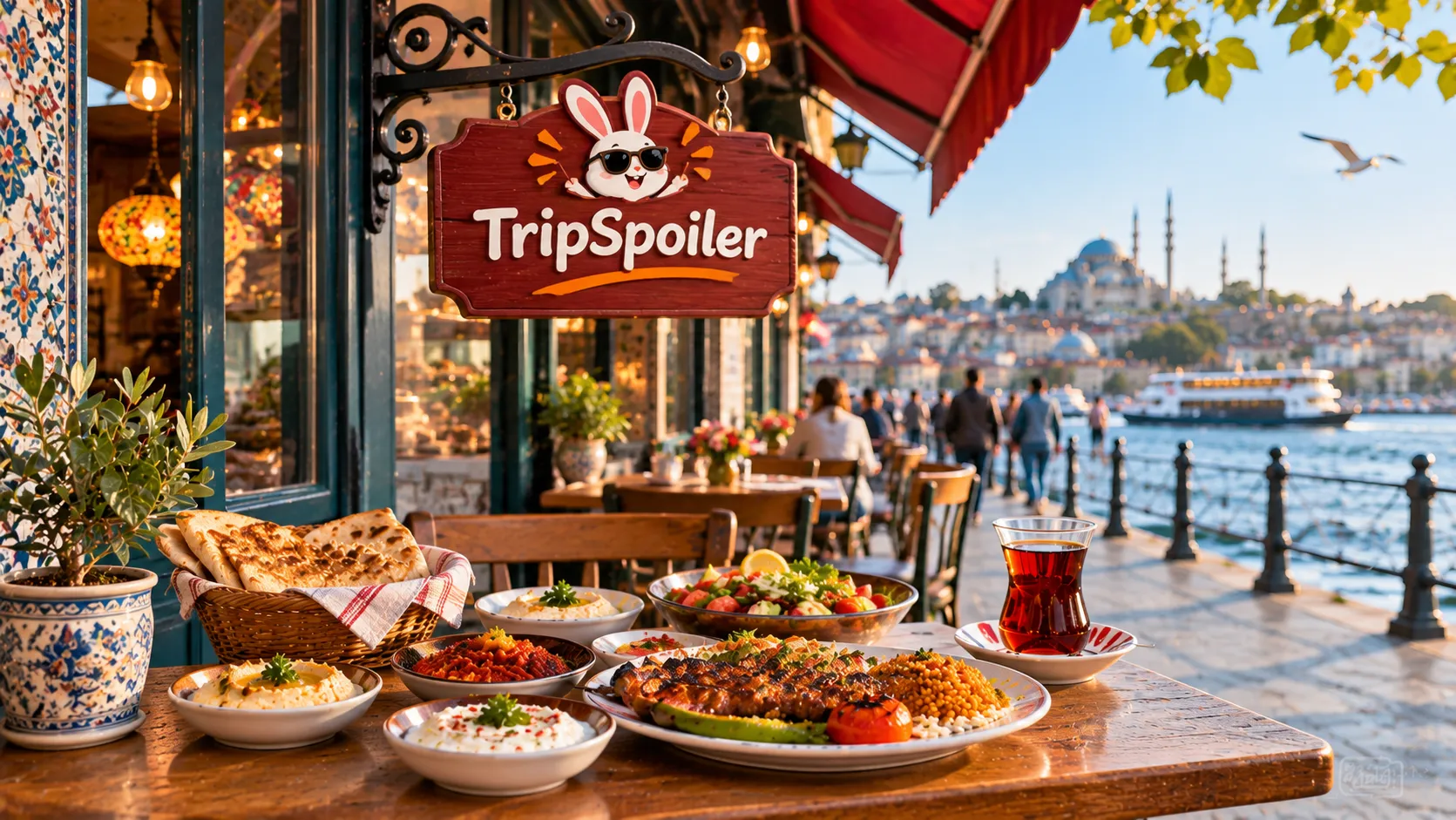
Food in Istanbul is more than a culinary experience; it is an essential part of the city's identity. Shaped by centuries of cultural exchange between Europe and Asia, Istanbul's food scene brings together Ottoman culinary traditions, Anatolian recipes, Mediterranean influences and contemporary interpretations. From traditional neighbourhood eateries to stylish restaurants overlooking the Bosphorus, the city offers an extraordinary variety of flavours waiting to be explored.
Discover the Flavours of Traditional Turkish Cuisine
Istanbul is an ideal place to experience the depth and diversity of Turkish cuisine. Traditional dishes are prepared with fresh ingredients, regional recipes and techniques passed down through generations. Explore the world of Turkish kebabs, savour freshly prepared mezes, enjoy slow-cooked meat dishes and discover the comforting flavours of homemade Turkish food.
For a truly local experience, visit traditional restaurants known as esnaf lokantası, where daily menus feature seasonal dishes, soups, vegetable preparations and classic home-style recipes. These neighbourhood establishments offer an authentic glimpse into the everyday food culture of Istanbul.
Experience the Turkish Breakfast Tradition
Breakfast, known as kahvaltı, holds a special place in Turkish food culture. Rather than a quick meal, it is often a long and social experience shared with family and friends. A traditional Turkish breakfast includes a selection of cheeses, olives, fresh tomatoes, cucumbers, eggs, homemade jams, honey, clotted cream and freshly baked bread.
Explore the breakfast cafés of Besiktas, Cihangir, Kadikoy and Moda, where traditional breakfast spreads meet modern café culture. Pair your meal with freshly brewed Turkish tea and enjoy one of the city's most beloved daily rituals.
Explore Istanbul's Street Food Culture
Some of Istanbul's most memorable culinary experiences can be found on its streets. Follow the aroma of freshly baked simit, try a traditional balik ekmek near the waterfront or enjoy a warm portion of roasted chestnuts during the cooler months.
Discover the city's famous street food favourites, including kokorec, midye dolma, lahmacun and stuffed baked potatoes known as kumpir. Each dish reflects a different part of Istanbul's culinary heritage and offers an opportunity to experience the city beyond its restaurants.
Visit Historic Markets and Food Bazaars
Istanbul's historic markets are an essential part of its gastronomic identity. The Spice Bazaar, also known as the Egyptian Bazaar, is filled with colourful displays of spices, dried fruits, nuts, teas, Turkish delight and traditional sweets. It is one of the best places to discover the ingredients and aromas that define Turkish cuisine.
The Grand Bazaar offers another fascinating experience, combining centuries-old trading traditions with an extensive selection of local products. For a more everyday perspective, explore neighbourhood markets where seasonal produce, fresh seafood, cheeses and regional specialities bring the city's food culture to life.
Discover Turkish Coffee, Tea and Traditional Desserts
No culinary journey through Istanbul is complete without experiencing its traditional drinks and desserts. Turkish coffee, prepared in a special pot called a cezve, is deeply connected to the country's social traditions. Enjoy a cup in a historic coffeehouse or a contemporary café and experience a ritual recognised by UNESCO as part of the Intangible Cultural Heritage of Humanity.
Turkish tea is equally important, traditionally served in small tulip-shaped glasses throughout the day. For dessert lovers, Istanbul offers everything from layered baklava and pistachio sweets to kunefe, rice pudding known as sutlac and traditional Turkish delight.
Experience Istanbul's Contemporary Dining Scene
Alongside its traditional culinary heritage, Istanbul has developed a dynamic contemporary dining scene. Restaurants across the city combine local ingredients with international techniques, creating distinctive menus that reflect Istanbul's position as a meeting point of cultures.
Explore the restaurants and waterfront venues of Karakoy, Galata, Nisantasi and the Bosphorus coastline. Whether you are looking for a relaxed neighbourhood restaurant, a sophisticated dining experience or a rooftop venue with panoramic city views, Istanbul offers options for every occasion.
Where to Explore Istanbul's Food Scene
Different neighbourhoods reveal different sides of the city's culinary character. Kadikoy and Moda are known for their independent restaurants, lively food markets and relaxed café culture. Besiktas offers popular breakfast spots and affordable local eateries, while Karakoy and Galata combine traditional flavours with modern dining concepts.
For seafood, explore the waterfront restaurants along the Bosphorus. In Sultanahmet and the Historic Peninsula, discover traditional Turkish restaurants surrounded by centuries of history. Each district offers a different way to experience Istanbul through its food.
Make Food Part of Your Istanbul Journey
Whether you are discovering traditional Turkish recipes, joining a local food tour, visiting historic markets or enjoying dinner beside the Bosphorus, food provides one of the most rewarding ways to understand Istanbul.
Explore culinary walking tours, Turkish cooking classes, traditional breakfast experiences, local market visits and guided food tastings with TripSpoiler. Discover the flavours, stories and traditions behind the city's remarkable food culture and experience Istanbul one dish at a time.
Where to stay
03 / 10
Finding Your Place in Istanbul: Neighbourhoods, Atmosphere and Where to Stay
5 min read
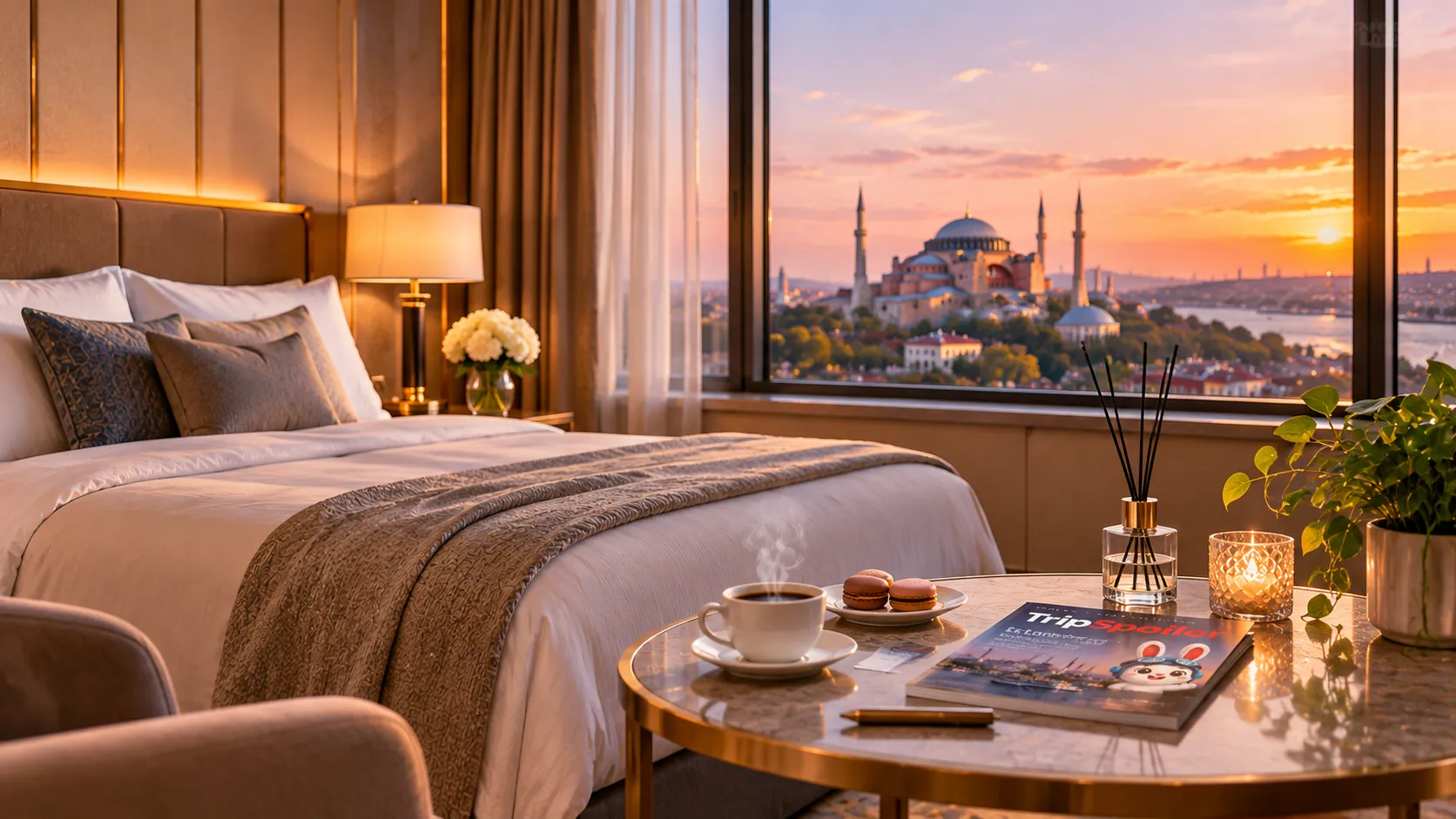
Choosing where to stay in Istanbul is an important part of planning your visit. Stretching across two continents and shaped by centuries of history, the city offers an extraordinary range of neighbourhoods, each with its own atmosphere, lifestyle and character. From historic streets surrounded by Ottoman architecture to lively districts filled with cafés, restaurants and contemporary culture, Istanbul has accommodation options for every type of traveller.
Whether you are visiting for a weekend getaway, a cultural holiday, a family trip or an extended stay, finding the right neighbourhood can make your Istanbul experience even more memorable.
Sultanahmet: Stay in the Heart of Historic Istanbul
For first-time visitors, Sultanahmet is one of the most convenient areas to stay in Istanbul. Located in the Historic Peninsula, this neighbourhood places you within walking distance of some of the city's most celebrated landmarks, including Hagia Sophia, the Blue Mosque, Topkapi Palace and the Basilica Cistern.
The area is particularly suitable for travellers interested in history, architecture and cultural sightseeing. Accommodation ranges from boutique hotels in restored historic buildings to comfortable hotels offering views of the city's famous skyline. Its central location makes exploring Istanbul's major historical attractions particularly easy.
Karakoy and Galata: For Culture, Design and City Life
Karakoy and Galata are among Istanbul's most characterful neighbourhoods, combining historic architecture with a contemporary urban atmosphere. Their streets are filled with independent cafés, art galleries, boutique shops, restaurants and creative spaces.
Staying in this area offers easy access to Galata Tower, the waterfront, the Golden Horn and Istiklal Street. It is an excellent choice for travellers who enjoy exploring on foot, discovering local cafés and experiencing the city's modern cultural scene alongside its historical heritage.
Boutique hotels, stylish accommodation and converted historic buildings make this part of Istanbul particularly appealing to couples and independent travellers.
Taksim and Beyoglu: At the Centre of Istanbul's Energy
Taksim and Beyoglu offer a lively atmosphere and convenient access to some of the city's most popular entertainment, shopping and dining destinations. Istiklal Street, with its historic buildings, cultural venues, shops and restaurants, forms the centre of activity in this part of Istanbul.
The area provides a wide variety of accommodation, from international hotel brands to smaller boutique properties and budget-friendly options. Its transport connections also make it easier to reach different parts of the city.
For visitors who want to experience Istanbul's nightlife, shopping streets, restaurants and cultural attractions, Taksim and Beyoglu are particularly attractive choices.
Besiktas and the Bosphorus: A More Relaxed Side of Istanbul
For travellers looking for a balance between city life and a more relaxed atmosphere, Besiktas and the surrounding Bosphorus neighbourhoods offer a different perspective of Istanbul.
Besiktas is known for its lively local markets, cafés, restaurants and waterfront surroundings. Nearby areas such as Ortakoy and Arnavutkoy are famous for their charming streets, historic waterfront houses and beautiful Bosphorus views.
Accommodation in this part of the city includes luxury hotels, boutique properties and waterfront establishments. It is an appealing option for couples, families and visitors who appreciate scenic surroundings without being too far from the city centre.
Kadikoy and Moda: Discover Istanbul's Asian Side
Across the Bosphorus, Kadikoy and Moda offer a distinctive experience away from the busiest tourist districts. Known for their independent cafés, lively food scene, local markets and relaxed neighbourhood atmosphere, these areas provide an opportunity to experience everyday Istanbul.
Kadikoy has excellent ferry connections to the European side, making it possible to explore both continents while enjoying a more local residential setting. Moda, in particular, is popular for its seaside promenades, independent businesses and laid-back atmosphere.
Accommodation options include boutique hotels, serviced apartments and smaller properties. These neighbourhoods are especially suitable for travellers who prefer discovering local life rather than staying exclusively in traditional tourist areas.
Uskudar: Peaceful Streets and Bosphorus Views
Located on the Asian side, Uskudar offers a quieter atmosphere with beautiful waterfront scenery and a strong sense of local character. Its historic mosques, traditional streets and seaside promenades create a more relaxed setting compared with the busy central districts.
The neighbourhood is well connected to other parts of Istanbul through ferry services, metro lines and road connections. It can be a good choice for visitors who prefer a calmer environment while maintaining access to the city's main attractions.
Luxury Hotels, Boutique Stays and Budget-Friendly Accommodation
Istanbul offers accommodation for a wide range of budgets and travel styles. Visitors looking for a luxury experience can find prestigious hotels along the Bosphorus, often featuring exceptional views, fine dining and spa facilities.
Boutique hotels are particularly popular in Galata, Karakoy, Sultanahmet and Cihangir, where historic buildings and distinctive interiors create a more personal atmosphere. Travellers looking for affordable accommodation can also find hostels, guesthouses and budget hotels in several central neighbourhoods.
For longer stays, serviced apartments and holiday rentals may offer additional flexibility, particularly for families and travellers who prefer more space.
How to Choose the Right Area for Your Stay
The best neighbourhood depends on what you want to experience during your visit. If historical sightseeing is your priority, Sultanahmet and Sirkeci provide convenient access to major landmarks. If you enjoy restaurants, shopping and nightlife, Taksim and Beyoglu offer a lively urban setting.
For boutique accommodation, cafés and creative spaces, Karakoy and Galata are excellent options. Besiktas and the Bosphorus neighbourhoods are ideal for scenic surroundings, while Kadikoy and Moda offer a more local perspective of Istanbul.
It is also worth considering the city's size and traffic conditions when choosing accommodation. Staying close to metro stations, tram stops or ferry terminals can make travelling between neighbourhoods significantly easier.
Make the Most of Your Stay in Istanbul with TripSpoiler
Where you stay can shape the way you experience Istanbul. From waking up among centuries-old landmarks to enjoying breakfast overlooking the Bosphorus or discovering the cafés of the Asian side, every neighbourhood offers a different connection to the city.
Explore Istanbul's attractions, cultural experiences, guided tours and unforgettable activities with TripSpoiler. Discover what each part of the city has to offer, plan your days around your interests and make your stay in Istanbul an experience worth remembering.
Getting around
04 / 10
Getting Around Istanbul: A Complete Guide to Public Transport, Ferries and City Travel
10 min read
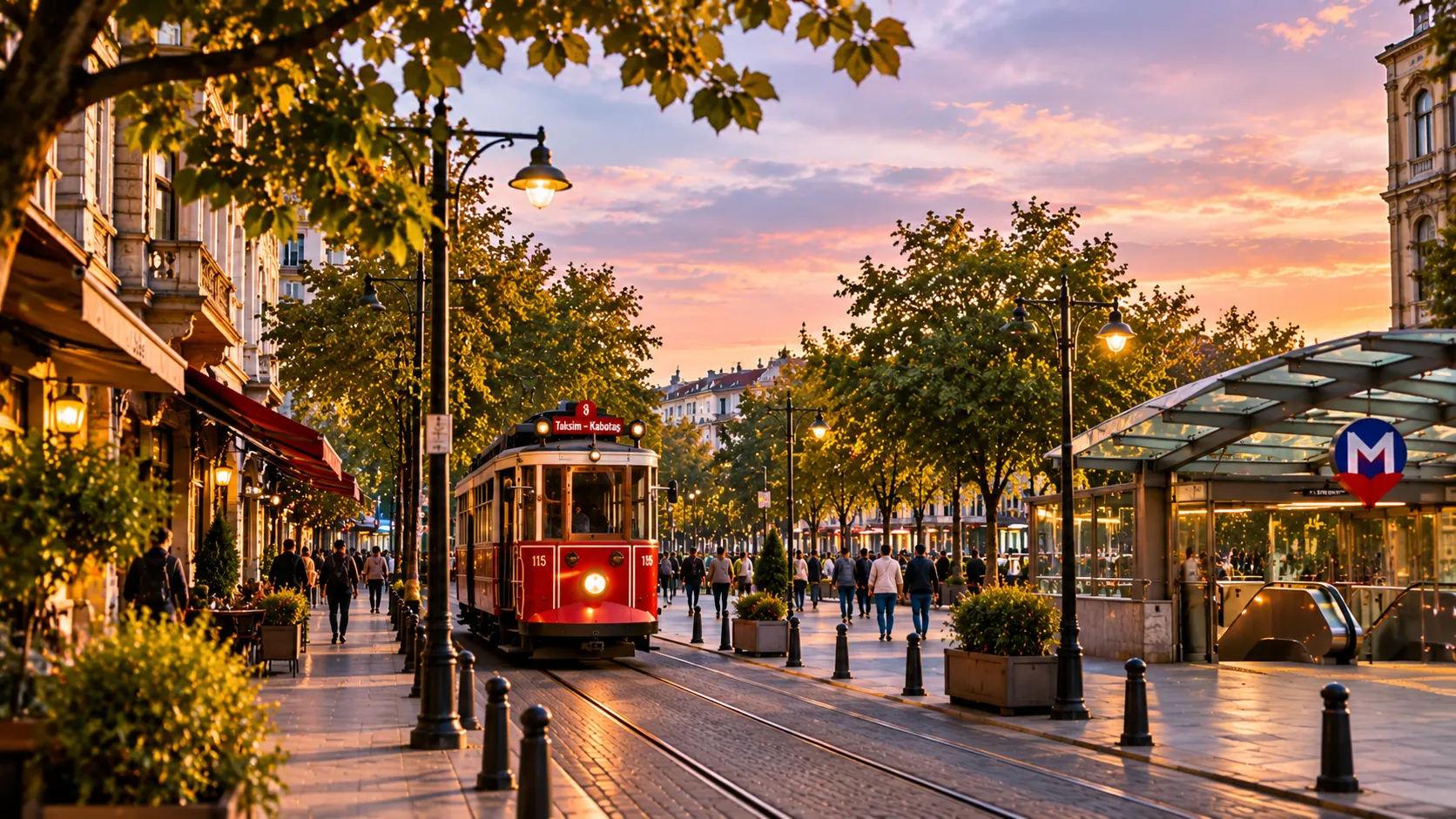
Istanbul is one of the largest and most dynamic cities in the world, stretching across two continents and connecting historic neighbourhoods, modern business districts and vibrant waterfront communities. With millions of residents and visitors moving around the city every day, understanding how transportation works can make a significant difference to your travel experience.
Fortunately, Istanbul offers an extensive public transportation network that includes metro lines, trams, buses, ferries, suburban trains and other transport options. Whether you are exploring the historic streets of Sultanahmet, heading towards the lively districts of Beyoglu and Kadikoy or travelling between the European and Asian sides, there are several convenient ways to get around.
This guide introduces the main transportation options, explains how to use them and shares practical tips to help you navigate Istanbul with confidence.
Istanbulkart: Your Essential Travel Card
One of the first things to arrange when arriving in Istanbul is an Istanbulkart. This rechargeable transportation card is the most convenient way to use the city's public transport network and is accepted across most metro lines, trams, public buses, Marmaray services and ferries.
You can purchase and top up an Istanbulkart through authorised sales points and ticket machines located at many metro stations, tram stops and transport hubs. The machines generally offer instructions in multiple languages, making the process relatively straightforward for international visitors.
Simply tap your card on the reader when entering the transport system. Depending on the service, you may need to validate your card at the entrance or boarding point. Keeping sufficient credit on your card is important, especially if you plan to use public transportation throughout the day.
For visitors staying several days, Istanbulkart can be considerably more convenient than purchasing individual tickets for every journey. Remember to check the current fare information and card conditions before travelling, as prices and payment rules may change.
Metro: The Fastest Way to Cross the City
Istanbul's metro network is one of the most practical ways to travel between major districts, particularly during busy traffic hours. It connects residential neighbourhoods, shopping areas, transport terminals and important visitor destinations across the city.
On the European side, the M2 metro line is especially useful for travellers. It connects Yenikapi with areas including Vezneciler, Şişhane, Taksim, Osmanbey and Levent. This makes it a convenient option for reaching central districts, shopping destinations and business areas.
Other metro lines provide connections to different parts of the city, including the Asian side and Istanbul Airport. The M4 line is particularly useful for reaching Kadikoy from the Asian side, while the M11 line provides a rail connection between Istanbul Airport and parts of the city's metro network.
Metro services are generally a reliable option for avoiding road congestion. However, operating hours, service intervals and connections differ between lines, so checking the route before departure is recommended.
Tram: The Best Way to Explore Historic Istanbul
The tram is particularly valuable for visitors exploring Istanbul's historical centre. The T1 Kabatas–Bagcilar line connects several of the city's most important sightseeing destinations.
It provides convenient access to Sultanahmet, where you can visit Hagia Sophia, the Blue Mosque and the Basilica Cistern. The line also serves Eminonu, a lively waterfront district close to the Spice Bazaar and Galata Bridge.
Other important stops include Sirkeci, Gulhane and Beyazit, making the tram an excellent option for exploring the Historic Peninsula without relying on taxis or long walks.
For first-time visitors, the T1 line is one of the easiest ways to move between major attractions. During peak hours, however, trams can become crowded, particularly around popular tourist stops.
Marmaray: Travel Between Two Continents
One of Istanbul's most distinctive transportation experiences is travelling between Europe and Asia beneath the Bosphorus.
Marmaray is a suburban railway system that passes through an undersea rail tunnel, connecting the two sides of the city. It provides an efficient alternative to road travel and can significantly reduce journey times between selected districts.
On the European side, stations such as Yenikapi and Sirkeci provide access to important central areas. On the Asian side, stations including Uskudar, Ayrilik Cesmesi, Goztepe and Bostanci connect travellers with different neighbourhoods.
Marmaray is particularly useful when travelling between the Historic Peninsula and the Asian side. It also connects with other rail services, allowing visitors to combine different transport options during their journey.
Ferries: Discover Istanbul from the Bosphorus
Ferries are not simply a means of transportation in Istanbul; they are also one of the most enjoyable ways to experience the city.
Public ferry services connect the European and Asian sides through several routes across the Bosphorus and the Golden Horn. Popular departure points include Eminonu, Karakoy, Besiktas, Kabatas, Kadikoy and Uskudar.
A ferry journey between Eminonu and Kadikoy, for example, offers beautiful views of the historic skyline, waterfront palaces, mosques and bridges. The crossing is also a practical way to avoid road traffic when travelling between the continents.
For visitors, ferry travel provides an opportunity to see Istanbul from a different perspective. Enjoy a cup of Turkish tea on board, watch the seagulls follow the boats and admire the city's architecture from the water.
Ferry routes and departure frequencies vary depending on the destination and time of day. Checking the current timetable before travelling is recommended.
Public Buses and Metrobus
Istanbul has an extensive public bus network covering areas that are not directly served by metro or tram lines. Buses can be useful for reaching neighbourhoods, residential areas and destinations located further away from the main rail network.
However, road traffic can affect journey times considerably, especially during weekday rush hours. For this reason, buses are often more suitable for shorter local journeys or routes where a direct rail connection is unavailable.
Metrobus is a dedicated bus rapid transit system operating along a route that connects several important districts on both sides of the city through the Bosphorus crossing.
It is particularly useful for travelling along the city's main east-west corridor. Although Metrobus operates on dedicated lanes, services can become extremely crowded during morning and evening commuting hours.
If you are visiting Istanbul for the first time, using metro, tram and Marmaray services whenever practical can make navigating the city considerably easier.
Taxis and Ride-Hailing Services
Taxis are widely available throughout Istanbul and can be convenient when travelling with luggage, visiting destinations outside the main public transport network or returning to your accommodation late at night.
Official taxis are generally yellow, with other licensed taxi categories also operating in the city. Make sure the taximeter is running at the beginning of your journey and check the estimated route before departure.
Road traffic can make taxi journeys unpredictable, particularly during rush hours, weekends and periods of heavy congestion. A journey that looks short on a map may take considerably longer by car.
Ride-hailing and taxi-booking applications can also help visitors arrange transportation and understand estimated fares before travelling. Availability and payment options may vary.
For airport journeys, it is worth comparing public transportation, official taxis and pre-arranged transfers according to your arrival time, luggage and accommodation location.
Getting to and From Istanbul Airport
Istanbul has two main international airports: Istanbul Airport (IST), located on the European side, and Sabiha Gokcen International Airport (SAW), located on the Asian side.
Istanbul Airport (IST)
Istanbul Airport is connected to the city's rail network through the M11 metro line. The airport also has dedicated airport bus services operated by Havaist, offering connections to several important districts and transport hubs.
Depending on your final destination, you can combine the metro with other public transport services or choose an airport bus, taxi or private transfer.
Sabiha Gokcen Airport (SAW)
Sabiha Gokcen Airport is located on the Asian side and is connected to the metro network through the M4 line. This provides access to Kadikoy and connections with other parts of Istanbul's public transportation system.
Airport bus services and taxis are also available. Travellers heading towards the European side can combine metro and Marmaray services or use direct transfer options depending on their destination.
Before choosing your airport transfer, consider your arrival time, accommodation location, luggage and the possibility of traffic congestion.
How to Travel Between Istanbul's Main Tourist Areas
Understanding the best transport options between popular neighbourhoods can save valuable time during your visit.
Sultanahmet to Taksim: Take the T1 tram towards Kabatas and connect with the M2 metro, or use the funicular from Kabatas to Taksim.
Sultanahmet to Galata: The T1 tram to Karakoy provides convenient access to the Galata area, although some uphill walking may be required.
Eminonu to Kadikoy: Take a public ferry across the Bosphorus for a direct and scenic connection between the European and Asian sides.
Taksim to Kadikoy: Use the M2 metro to reach a suitable ferry connection, or travel via other rail connections depending on your starting point and destination.
Sirkeci to Uskudar: Marmaray provides a convenient connection beneath the Bosphorus.
Besiktas to Ortakoy: These neighbouring waterfront districts can be reached by local buses, taxis or a pleasant walk along parts of the Bosphorus coastline.
Practical Transportation Tips for Visitors
A little preparation can make getting around Istanbul much easier, especially if you are unfamiliar with the city's size and transport network.
- Avoid peak commuting hours: Weekday mornings and evenings can be particularly busy. Allow additional time if you need to travel during these periods.
- Use rail transport whenever possible: Metro, tram and Marmaray services are generally less affected by road traffic.
- Keep your Istanbulkart topped up: Check your balance before starting your journey to avoid unnecessary delays.
- Check the direction of travel: Some metro and tram stations have different platforms for opposite directions. Confirm the destination displayed on the train before boarding.
- Plan connections in advance: Some journeys require changing between metro, tram, ferry or bus services.
- Check operating hours: Public transportation schedules can differ on weekends, public holidays and late at night.
- Wear comfortable shoes: Many of Istanbul's most interesting streets are steep, cobbled or best explored on foot.
- Allow extra time for airport transfers: Traffic conditions and transfer distances can vary significantly depending on the time of day.
Walking Around Istanbul: Discover the City at Your Own Pace
Although Istanbul is a large city, many of its most memorable experiences can be discovered on foot. Walking allows visitors to explore narrow historic streets, traditional markets, independent cafés and neighbourhoods that are not always accessible directly by public transport.
The Historic Peninsula is particularly rewarding for walking, with many major landmarks located relatively close to one another. Galata, Karakoy and parts of Beyoglu also offer interesting walking routes, combining historic architecture, local shops and lively streets.
On the Asian side, Kadikoy and Moda are ideal for relaxed walks, especially along their waterfront promenades.
Combining walking with public transportation is often the best way to explore Istanbul. Use the metro or tram to cover longer distances, then discover each neighbourhood at a slower pace.
Explore Istanbul with Confidence with TripSpoiler
Getting around Istanbul becomes much easier once you understand how its different transport systems work together. From crossing continents by Marmaray to enjoying a scenic ferry ride or exploring historic streets on foot, every journey can become part of your experience of the city.
Whether you are planning a cultural visit, a food-focused holiday or a longer stay, knowing your transportation options helps you spend less time navigating and more time discovering.
Explore Istanbul's landmarks, neighbourhoods, guided tours and local experiences with TripSpoiler. Plan your journeys, discover new places and make the most of every moment in this extraordinary city.
From the airport
05 / 10
Arriving in Istanbul: Airport Transfers, Transport Options and Everything You Need to Know
9 min read
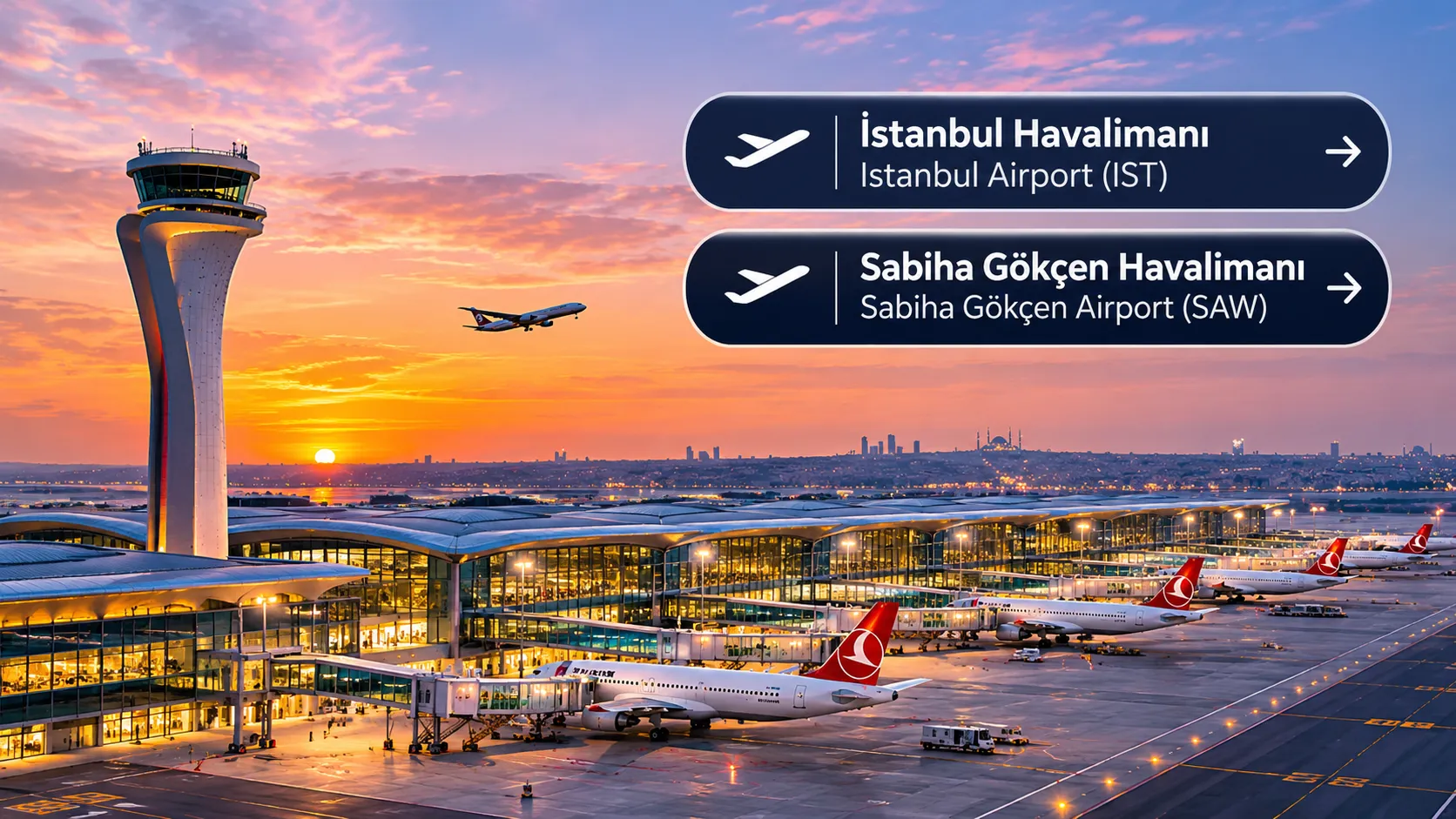
Istanbul welcomes millions of international visitors every year through two major airports located on opposite sides of the city. Istanbul Airport (IST), situated on the European side, and Sabiha Gokcen International Airport (SAW), located on the Asian side, are the main gateways to this extraordinary destination.
Understanding which airport you are arriving at, how to reach your accommodation and which transportation option suits your journey can make your arrival much easier. Whether you are travelling to the historic streets of Sultanahmet, the lively neighbourhoods of Taksim and Beyoglu, the waterfront districts of Besiktas or the Asian side of Istanbul, several transportation options are available.
This guide covers both airports, including metro connections, airport shuttles, public buses, taxis, private transfers and travel between the two airports.
Istanbul Airport (IST): The Main International Gateway
Istanbul Airport (IST) is located in the Arnavutkoy district on the European side of Istanbul. It is the city's main international aviation hub, serving numerous destinations across Europe, Asia, the Middle East and other parts of the world.
The airport is approximately 40–50 kilometres from many central areas, depending on your destination and route. Although the distance may seem considerable, several transportation services connect the airport with different parts of the city.
Metro: M11 Istanbul Airport Line
The M11 metro line is one of the most practical ways to travel between Istanbul Airport and the city. It connects the airport with the wider metro network, including the Gayrettepe interchange.
From Gayrettepe, passengers can transfer to the M2 metro line to reach central locations such as Taksim, Sisli, Osmanbey and other important districts.
The metro is particularly useful for travellers who want to avoid road traffic and prefer a predictable journey. However, depending on your accommodation, you may need to make additional connections or walk from the nearest station.
Before travelling, check the latest metro operating hours and service information, especially if you arrive late at night or early in the morning.
Havaist Airport Shuttles
Havaist provides dedicated airport shuttle services between Istanbul Airport and several important locations across the city.
These services are particularly useful for visitors travelling with luggage who prefer a direct connection without navigating multiple metro transfers.
Depending on the route, Havaist services connect the airport with destinations such as:
- Taksim and the surrounding Beyoglu area
- Aksaray and the Historic Peninsula
- Kadikoy on the Asian side
- Esenler Bus Terminal
- Halkali and other important districts
Havaist vehicles generally provide dedicated luggage compartments and comfortable seating, making them a convenient option after a long international flight.
Routes, departure points, fares and operating frequencies may change. Check the official Havaist website for current schedules and ticket information before departure.
Public Buses: IETT Services
IETT operates public bus services connecting Istanbul Airport with selected parts of the city.
These services can be a more economical alternative to dedicated airport shuttles, particularly for passengers familiar with Istanbul's public transportation network.
Depending on the route, airport bus connections include services towards Mahmutbey, Mecidiyekoy, Halkali and other districts.
Public buses are generally more suitable for travellers who are comfortable navigating local transport and do not mind making additional connections. Journey times can vary considerably depending on traffic conditions and the number of stops.
Sabiha Gokcen International Airport (SAW): Arriving on Istanbul's Asian Side
Sabiha Gokcen International Airport (SAW) is located in the Pendik district on the Asian side of Istanbul. It serves a wide range of domestic and international destinations and is an important arrival point for travellers visiting the eastern part of the city.
The airport is particularly convenient for visitors staying in Kadikoy, Uskudar, Pendik, Maltepe and other Asian-side neighbourhoods. It can also serve travellers heading towards the European side through its metro, shuttle and road connections.
Metro: M4 Kadikoy–Sabiha Gokcen Airport Line
The M4 metro line provides a direct rail connection between Sabiha Gokcen Airport and Kadikoy.
The airport station is located within the airport complex, making it possible to reach the metro without relying on a taxi or road transfer.
Important connections along the M4 line include:
- Kadikoy: Connect with ferries, the Kadikoy–Moda tram and other city transport services
- Ayrilik Cesmesi: Transfer to Marmaray for travel between the Asian and European sides
- Unalan: Connect with the Metrobus network
- Pendik: Access local bus connections and the high-speed railway station through connecting services
For travellers staying in Kadikoy or other districts along the M4 route, the metro can be one of the most straightforward ways to reach their accommodation.
Visitors heading towards Sultanahmet, Taksim or other European-side destinations can combine the M4 with Marmaray, metro or ferry connections.
Havabus Airport Shuttles
Havabus operates dedicated airport shuttle services connecting Sabiha Gokcen Airport with important destinations in Istanbul.
Its main city connections include Taksim and Kadikoy, making it a practical option for travellers who prefer a direct road connection rather than several public transport transfers.
These services are particularly useful for visitors carrying luggage or travelling with companions.
The journey duration depends on traffic conditions, especially when travelling towards the European side. It is advisable to allow additional time during weekday rush hours and busy travel periods.
Public Buses: IETT Services
IETT also operates several public bus routes from Sabiha Gokcen Airport.
These services connect the airport with destinations including Kadikoy, Maltepe, Kartal, Sultanbeyli and other parts of the Asian side.
Some useful connections include:
- E3: Four Levent – Sabiha Gokcen Airport
- E9: Maltepe – Sabiha Gokcen Airport
- E10: Kadikoy – Kurtkoy – Sabiha Gokcen Airport
- E11: Kadikoy – Sabiha Gokcen Airport
- 16S: Sabiha Gokcen Airport – Kozyatagi – Uzuncayir
Public bus services are generally suitable for travellers looking for economical transportation and those familiar with Istanbul's local transport system.
Travelling Between Istanbul Airport and Sabiha Gokcen Airport
Because Istanbul's two international airports are located on opposite sides of the city, travelling between them requires some planning.
Whether you have a connecting flight, are changing airports for a separate booking or need to collect passengers from another terminal, it is important to allow sufficient transfer time.
Havaist: Direct Airport-to-Airport Connection
Havaist operates an airport shuttle connection between Istanbul Airport and Sabiha Gokcen Airport.
The HVIST-13 service provides a direct connection between the two airports, offering an alternative to travelling through the city centre or arranging a private vehicle.
This can be particularly useful for passengers with connecting flights who need to transfer between IST and SAW.
Always check the latest departure times, availability and ticket conditions before travelling. Do not plan a tight flight connection based solely on the scheduled shuttle journey, as traffic and operational delays can affect your arrival.
Private Airport Transfers
Private airport transfers are another option for travelling between the two airports.
A pre-arranged vehicle can collect passengers directly from their arrival terminal and take them to the other airport without requiring changes between transportation services.
This option can be particularly convenient for families, groups, travellers with several pieces of luggage and passengers with limited time between flights.
When booking, confirm the pickup location, flight details, luggage capacity and whether the quoted price includes all applicable charges.
Taxi Between the Two Airports
Taxis are available at both airports and can be used for direct transfers.
However, travelling between the European and Asian sides can involve considerable road distances and unpredictable traffic conditions. The final fare depends on the route, traffic and applicable taxi tariffs.
For longer journeys, agreeing on the destination clearly and checking the estimated route before departure is recommended.
Getting from the Airports to Istanbul's Most Popular Areas
Your accommodation location should play an important role in choosing your airport transfer.
Here are some useful transport combinations for popular visitor destinations.
Sultanahmet and the Historic Peninsula
Travellers arriving at Istanbul Airport can use the M11 and connect to the wider rail network, or choose a Havaist service towards Aksaray where available.
From Sabiha Gokcen Airport, the M4 provides access to Ayrilik Cesmesi, where passengers can transfer to Marmaray and continue towards Sirkeci. Sultanahmet can then be reached by tram or a short walk, depending on the final destination.
Taksim and Beyoglu
From Istanbul Airport, the M11 connects with the M2 metro through Gayrettepe, providing a convenient rail journey towards Taksim.
Havaist also provides services to Taksim.
From Sabiha Gokcen Airport, travellers can use the M4 and connect with other rail services, or choose a Havabus service towards Taksim.
Karakoy and Galata
Visitors heading to Karakoy and Galata can use metro, tram, ferry and walking connections depending on their arrival airport.
From Istanbul Airport, the M11 and M2 combination provides access towards the central districts, with further connections available.
From Sabiha Gokcen Airport, the M4 and Marmaray combination can be useful for reaching the European side, followed by a short tram, ferry or walking connection.
Kadikoy and the Asian Side
For visitors staying in Kadikoy, Sabiha Gokcen Airport offers a particularly straightforward connection through the M4 metro.
Travellers arriving at Istanbul Airport can use Havaist services towards Kadikoy or combine the M11 with other metro and rail connections.
Taxis, Car Rentals and Private Chauffeur Services
Both airports offer additional transportation options for visitors who prefer travelling independently.
Official taxis: Taxi services operate around the clock at both airports. They can be convenient for direct journeys, particularly when travelling with luggage or arriving outside normal public transport hours.
Car rentals: Several car rental providers operate at Istanbul Airport and Sabiha Gokcen Airport. Renting a car may be useful for visitors planning trips beyond central Istanbul or exploring surrounding destinations.
Private chauffeur services: Pre-booked vehicles offer a more personalised transfer experience, with arrangements made before arrival. They are particularly useful for business travellers, families and larger groups.
When choosing a transfer, consider your accommodation location, arrival time, luggage and the expected traffic conditions.
Important Tips for Arriving in Istanbul
A few practical considerations can help make your airport arrival more comfortable.
- Check your airport code: Always confirm whether your flight arrives at IST or SAW. They are two different airports located on opposite sides of Istanbul.
- Check the terminal and meeting point: If you have arranged a private transfer, confirm the exact pickup location with your provider before landing.
- Allow time for immigration: International arrivals may involve passport control, baggage collection and customs procedures.
- Consider your accommodation location: The closest airport is not always the most convenient option if your hotel is on the opposite side of the city.
- Check public transport schedules: Metro, bus and shuttle operating hours can vary. Verify the latest information before travelling.
- Keep some flexibility: Istanbul traffic can be unpredictable, especially during rush hours, weekends and holiday periods.
- Plan airport changes carefully: If you have a connecting flight at the other airport, allow a generous transfer window and account for check-in and security procedures.
Make Your Arrival in Istanbul Easier with TripSpoiler
Your Istanbul experience begins the moment you land. Whether you arrive at Istanbul Airport or Sabiha Gokcen Airport, understanding the available transportation options helps you plan your journey with greater confidence.
From direct metro connections and airport shuttles to private transfers and taxis, there are different ways to reach your accommodation and start exploring the city.
Once you arrive, discover Istanbul's historic landmarks, vibrant neighbourhoods, culinary experiences and cultural attractions with TripSpoiler. Explore the city at your own pace and make the most of every moment of your journey.
When to go
06 / 10
Istanbul Through the Seasons: When to Visit and What to Expect
8 min read
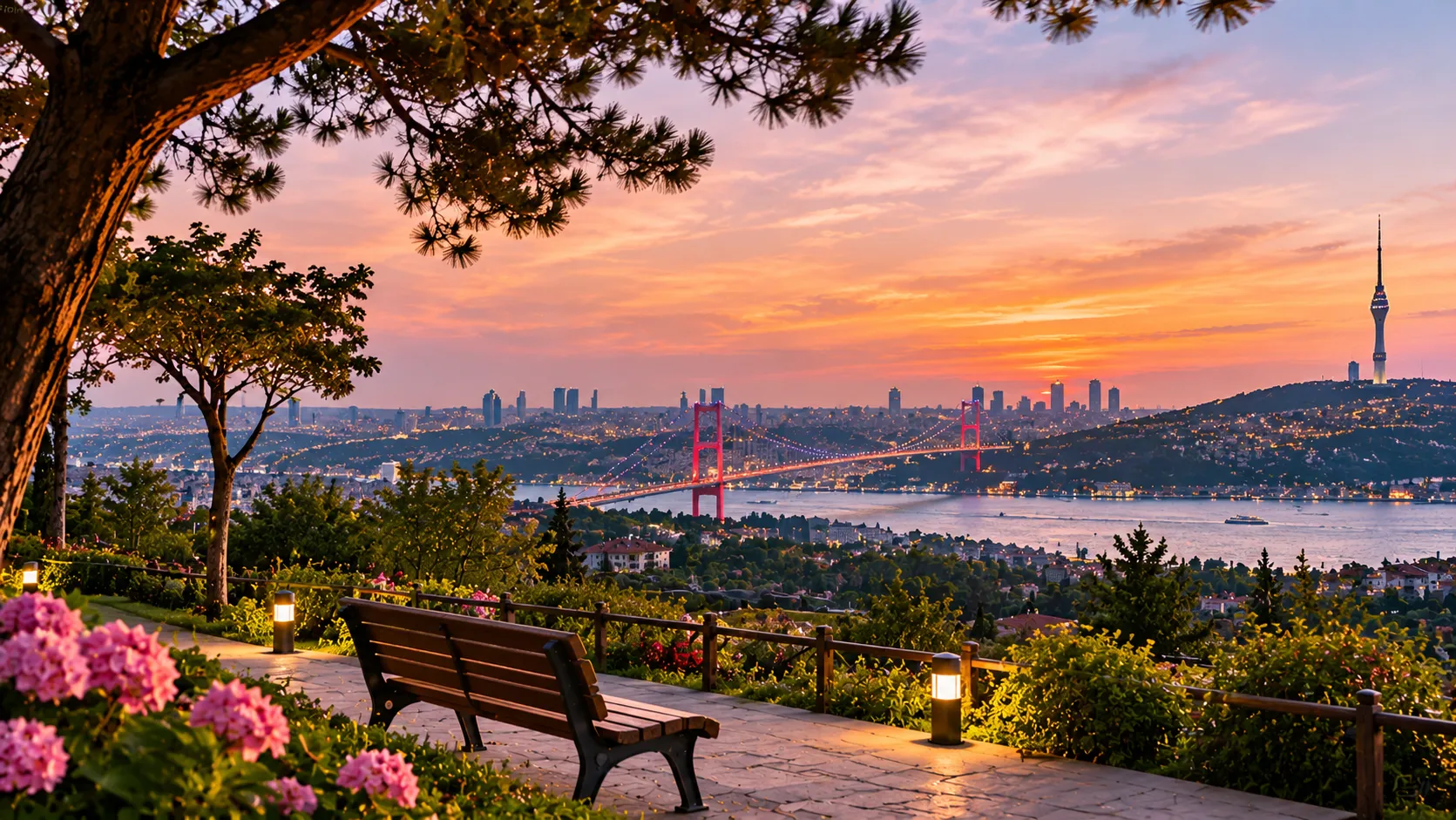
Istanbul is a destination that changes its character with every season. From the blossom-filled streets of spring to long summer evenings along the Bosphorus, colourful autumn neighbourhoods and atmospheric winter days, each time of year offers a different way to experience the city.
Located between Europe and Asia, Istanbul has a transitional climate influenced by the Black Sea and the Sea of Marmara. Its weather can vary throughout the year, making the timing of your visit an important consideration when planning sightseeing, outdoor activities, boat trips and cultural experiences.
Whether you are interested in exploring historical landmarks, enjoying local food, discovering hidden neighbourhoods or experiencing the city's vibrant cultural calendar, understanding Istanbul's seasons will help you make the most of your trip.
Spring in Istanbul: A City Coming Back to Life
March to May
Spring is one of the most rewarding seasons to discover Istanbul. As temperatures gradually rise, the city's parks, gardens and waterfront promenades become more inviting. The atmosphere is generally pleasant for walking tours, sightseeing and exploring neighbourhoods without the intensity of summer heat.
March can still feel cool and rainy, while April and May usually bring milder conditions and longer daylight hours.
One of the highlights of spring is the Istanbul Tulip Festival, traditionally held in April. During this period, parks and gardens across the city are decorated with colourful tulip displays. Emirgan Grove is particularly popular, attracting visitors who want to enjoy the seasonal flowers and beautiful Bosphorus surroundings.
Spring is also an excellent time to explore Sultanahmet, walk through the historic streets of Galata, discover the waterfront districts and enjoy outdoor cafés.
What to experience in spring:
- Visit Emirgan Grove during the tulip season.
- Explore Hagia Sophia, Topkapi Palace and the Historic Peninsula.
- Enjoy walking tours through Galata, Karakoy and Balat.
- Take a Bosphorus cruise during the milder afternoons.
- Discover Istanbul's parks, gardens and outdoor cafés.
Spring is particularly suitable for travellers who enjoy cultural sightseeing, photography and discovering the city on foot.
Summer in Istanbul: Long Days and Bosphorus Experiences
June to August
Summer brings warmer temperatures, longer days and a lively atmosphere throughout Istanbul. It is one of the busiest periods for international tourism, with visitors arriving to experience the city's outdoor lifestyle, waterfront restaurants, rooftop venues and summer events.
Temperatures can become hot and humid, particularly in July and August. Planning outdoor sightseeing earlier in the morning or later in the afternoon can make exploring more comfortable.
The Bosphorus becomes especially appealing during summer. Boat trips, sunset cruises and waterfront dining offer memorable ways to enjoy the city's coastal scenery.
The Princes' Islands are also popular during this season. A visit to Buyukada or Heybeliada provides a different perspective of Istanbul, with historic houses, seaside restaurants and peaceful streets away from the busiest central districts.
Summer is also a lively period for festivals, concerts, outdoor performances and cultural events. The exact programme varies each year, so checking local event calendars before travelling is worthwhile.
What to experience in summer:
- Enjoy a sunset cruise along the Bosphorus.
- Take a day trip to the Princes' Islands.
- Explore rooftop restaurants and waterfront cafés.
- Visit Ortakoy and Arnavutkoy for their Bosphorus atmosphere.
- Discover outdoor concerts, festivals and cultural events.
- Enjoy evening walks along the waterfront in Kadikoy and Moda.
Summer is ideal for visitors who enjoy lively destinations, outdoor dining and extended days of exploration.
Autumn in Istanbul: Culture, Colours and Comfortable Weather
September to November
Autumn is another excellent time to visit Istanbul. September often retains some of the warmth of summer, while October and November gradually bring cooler temperatures and a more relaxed atmosphere.
The city's parks and tree-lined streets take on beautiful autumn colours, creating wonderful opportunities for photography and leisurely walks.
One of the biggest advantages of autumn is the balance between sightseeing conditions and tourism activity. Compared with the busiest summer months, some areas can feel less crowded, particularly outside major holiday periods.
It is an especially enjoyable season for exploring museums, historical landmarks, traditional markets and Istanbul's diverse food scene.
Autumn also brings a rich cultural programme, including art exhibitions, film festivals, concerts and other events. Visitors interested in contemporary culture can discover another side of Istanbul beyond its traditional attractions.
What to experience in autumn:
- Walk through Yildiz Park and Gulhane Park.
- Explore the Grand Bazaar and Spice Bazaar.
- Discover Istanbul's museums and art galleries.
- Enjoy traditional Turkish cuisine at local restaurants.
- Take a Bosphorus cruise during the early autumn weeks.
- Explore the historic neighbourhoods of Fener and Balat.
Autumn is particularly suitable for couples, cultural travellers, photography enthusiasts and visitors who prefer exploring at a more relaxed pace.
Winter in Istanbul: Historic Streets and Atmospheric Experiences
December to February
Winter reveals a quieter and more atmospheric side of Istanbul. Temperatures are cooler, rainfall becomes more frequent and occasional snowfall can transform parts of the city into beautiful winter landscapes.
Although winter is not the most predictable season for outdoor activities, it offers plenty of opportunities to enjoy Istanbul's indoor attractions, traditional food culture and historic architecture.
The city's museums, palaces, mosques and covered markets are particularly appealing during colder days. Visitors can spend time exploring Topkapi Palace, Istanbul Archaeological Museums, the Basilica Cistern and the Grand Bazaar.
Winter is also a wonderful time to experience Turkish hospitality. Enjoy a traditional Turkish breakfast, relax in a historic café, try seasonal desserts or experience a traditional Turkish bath (hammam).
During December, the city takes on a festive atmosphere, with seasonal decorations, illuminated shopping streets and New Year celebrations. January and February are generally quieter travel months, although weather conditions can be unpredictable.
What to experience in winter:
- Discover Istanbul's museums and historical palaces.
- Explore the Grand Bazaar and Spice Bazaar.
- Experience a traditional Turkish hammam.
- Enjoy Turkish tea and coffee in historic cafés.
- Try traditional winter dishes and local desserts.
- Admire the city's skyline on clear winter days.
Winter is a good choice for travellers interested in history, museums, food experiences and a less crowded sightseeing atmosphere.
Month-by-Month Guide to Visiting Istanbul
Every month offers something different, depending on the weather, cultural calendar and type of experience you are looking for.
January: A quiet winter atmosphere, ideal for museums, historic sites and traditional cafés.
February: Cool weather and fewer seasonal outdoor activities, but an excellent opportunity to explore Istanbul's cultural attractions.
March: The beginning of spring, with gradually improving temperatures and opportunities for longer walks.
April: One of the most colourful months, especially during the Istanbul Tulip Festival.
May: Pleasant spring conditions, suitable for sightseeing, walking tours and Bosphorus cruises.
June: The beginning of summer, with longer days and an increasingly lively outdoor atmosphere.
July: Warm weather, busy tourist areas and excellent opportunities for waterfront experiences.
August: Hot and often humid conditions, with a vibrant summer atmosphere and popular island excursions.
September: A transition from summer to autumn, often offering comfortable conditions for exploring.
October: A particularly enjoyable month for cultural sightseeing, photography and walking through historic neighbourhoods.
November: Cooler temperatures and a quieter atmosphere, ideal for museums, markets and local food experiences.
December: Winter begins, bringing festive decorations, seasonal dining and New Year celebrations.
When Is the Best Time for Different Istanbul Experiences?
The ideal travel period also depends on what you want to do during your visit.
For historical sightseeing: April, May, September and October generally offer comfortable conditions for exploring the city's major landmarks and historic districts.
For Bosphorus cruises: Late spring, summer and early autumn are popular periods for boat trips and sunset experiences. Always consider wind and weather conditions.
For photography: Spring offers colourful tulip displays, while autumn brings beautiful foliage. Winter can also provide atmospheric city views.
For food experiences: Istanbul's culinary scene can be enjoyed throughout the year. Spring and autumn are especially pleasant for exploring outdoor food markets and neighbourhood restaurants.
For shopping: The Grand Bazaar, Spice Bazaar and modern shopping districts are open throughout the year, making shopping a suitable activity in every season.
For a quieter visit: January, February and November can offer a less crowded experience, although school holidays, public holidays and major events may affect visitor numbers.
What to Pack for Istanbul
Preparing for Istanbul's changing weather can make your trip more comfortable.
- Spring: Pack light layers, a comfortable jacket and an umbrella, as temperatures and rainfall can vary.
- Summer: Choose lightweight clothing, comfortable walking shoes, sunglasses and sunscreen.
- Autumn: Bring layers, a light or medium-weight jacket and waterproof footwear for rainy days.
- Winter: Pack a warm coat, comfortable boots, scarves and an umbrella.
Regardless of the season, comfortable walking shoes are essential. Many neighbourhoods feature cobbled streets, steep hills and long walking routes.
Is Istanbul Worth Visiting All Year Round?
Absolutely. Istanbul is not a destination limited to a particular season. Its historical attractions, museums, markets, culinary traditions and neighbourhood experiences make it rewarding throughout the year.
Spring and autumn are particularly attractive for travellers who want to combine outdoor sightseeing with comfortable weather. Summer offers a lively atmosphere and memorable waterfront experiences, while winter provides a different perspective through museums, traditional cafés and historic indoor attractions.
The best time ultimately depends on your travel preferences, budget and the experiences you want to discover.
Plan Your Istanbul Journey with TripSpoiler
Every season reveals a different side of Istanbul, from the colourful gardens of spring to the lively waterfront of summer, the cultural atmosphere of autumn and the historic charm of winter.
With TripSpoiler, discover guided tours, cultural attractions, local experiences, Bosphorus cruises and activities throughout the city. Explore experiences that match your travel dates and interests, plan your itinerary and make every visit to Istanbul memorable, whatever the season.
Itineraries
07 / 10
Istanbul in 1, 2 or 3 Days: The Ultimate City Itinerary
9 min read
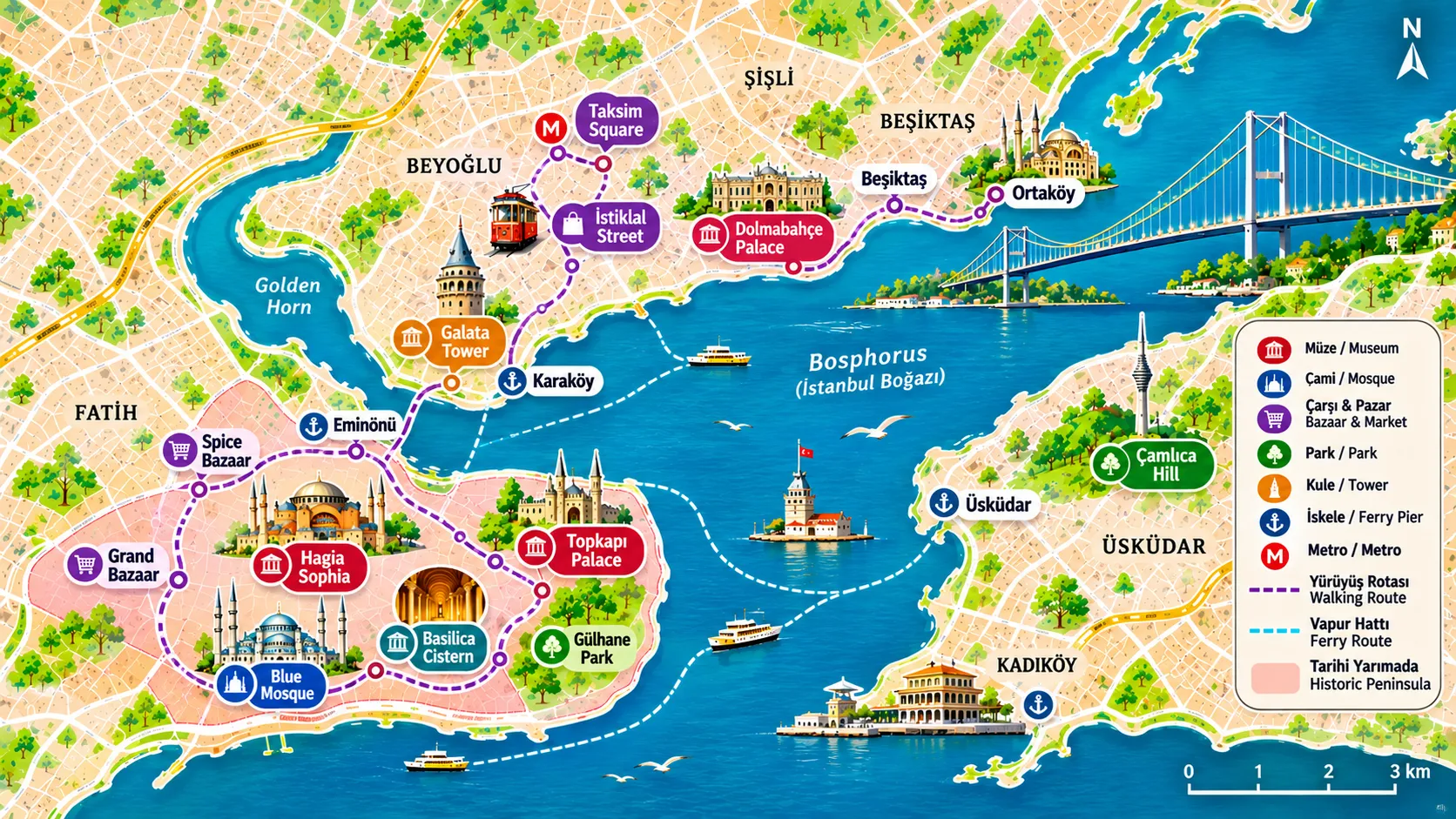
Istanbul is a city that rewards curiosity. Stretching across two continents and shaped by more than two thousand years of history, it offers an extraordinary combination of ancient monuments, lively neighbourhoods, waterfront scenery, traditional markets and contemporary culture. With so much to discover, planning your time wisely can make all the difference.
Whether you have just one day in Istanbul, a weekend to explore or three full days to experience the city, a well-planned itinerary will help you discover its most memorable highlights without spending too much time travelling between attractions.
This guide takes you through Istanbul day by day, combining iconic landmarks with local neighbourhoods, authentic food experiences and unforgettable views.
Day 1: Discover the Historic Heart of Istanbul
Your first day is dedicated to the Historic Peninsula, where some of Istanbul's most important monuments and architectural treasures are located. This is the perfect introduction to the city's Byzantine and Ottoman heritage.
Morning: Sultanahmet and the City's Greatest Landmarks
Begin your day in Sultanahmet, the historical centre of Istanbul.
Start with Hagia Sophia, one of the world's most remarkable architectural landmarks. Originally built as a Byzantine cathedral, it has witnessed centuries of religious, political and cultural transformation. Its enormous dome, impressive interior and historical significance make it an essential stop.
Continue to the Blue Mosque, officially known as the Sultan Ahmed Mosque. Admire its elegant domes, six minarets and beautifully decorated interior. Remember that it is an active place of worship, so visitors should respect prayer times and the dress requirements.
Afterwards, visit the Basilica Cistern, an atmospheric underground structure supported by hundreds of ancient columns. Its dim lighting, reflective water and famous Medusa column bases create one of Istanbul's most distinctive sightseeing experiences.
Allow sufficient time for each attraction, particularly during busy travel periods.
Afternoon: Topkapi Palace and Gulhane Park
After lunch at a traditional Turkish restaurant in Sultanahmet, continue towards Topkapi Palace, the former imperial residence of Ottoman sultans.
Explore its courtyards, historic rooms, exhibitions and collections that reveal the lifestyle and administration of the Ottoman Empire. The palace also offers beautiful views overlooking the Bosphorus and the Golden Horn.
When you finish your visit, take a relaxing walk through Gulhane Park, one of the city's historic green spaces. Its tree-lined pathways provide a pleasant break from the busy streets of the Historic Peninsula.
Late Afternoon: Grand Bazaar and Spice Bazaar
Continue towards the Grand Bazaar, one of the world's most famous covered markets. Explore its historic passageways, traditional shops and colourful displays of jewellery, textiles, ceramics, carpets and souvenirs.
Then head towards the Spice Bazaar in Eminonu, where the aromas of spices, Turkish delight, dried fruits and traditional sweets fill the market.
These markets are ideal places to discover Istanbul's commercial heritage and experience its traditional shopping culture.
Evening: Eminonu and Galata Bridge
End your first day around Eminonu and Galata Bridge.
Enjoy the waterfront atmosphere, watch the ferries crossing the Golden Horn and admire the historic skyline as the evening light changes.
You can try a traditional balik ekmek (fish sandwich) near the waterfront or choose a restaurant overlooking the Bosphorus.
Day 1 highlights:
- Hagia Sophia
- Blue Mosque
- Basilica Cistern
- Topkapi Palace
- Gulhane Park
- Grand Bazaar
- Spice Bazaar
- Eminonu and Galata Bridge
Day 2: Experience the Bosphorus, Galata and Modern Istanbul
Your second day introduces a different side of Istanbul, combining historic neighbourhoods, contemporary city life and the extraordinary scenery of the Bosphorus.
Morning: Galata Tower and Karakoy
Begin your day in Galata, one of Istanbul's most atmospheric neighbourhoods.
Visit Galata Tower, a medieval stone landmark offering panoramic views over the city. From its surroundings, you can explore narrow streets filled with historic buildings, independent shops, cafés and small galleries.
Walk downhill towards Karakoy, a lively district known for its creative atmosphere, restaurants, coffee shops and waterfront location.
Take some time to enjoy breakfast or Turkish coffee at one of the neighbourhood's cafés before continuing your exploration.
Late Morning: Istiklal Street and Taksim Square
Head towards Istiklal Street, one of Istanbul's most famous pedestrian avenues.
This lively street combines historic architecture, international shops, bookshops, restaurants, art spaces and cultural venues. You can also see the nostalgic red tram that travels along part of the avenue.
Continue towards Taksim Square, an important meeting point and one of the city's best-known public spaces.
For a cultural stop, consider visiting the nearby historic passages and galleries around Beyoglu.
Afternoon: Dolmabahce Palace and Besiktas
Continue towards Dolmabahce Palace, one of the most impressive examples of Ottoman architecture from the 19th century.
Located directly beside the Bosphorus, the palace is famous for its magnificent ceremonial halls, elaborate interiors, crystal decorations and waterfront setting.
After exploring the palace, walk towards Besiktas, a lively neighbourhood with traditional food spots, cafés and a popular local market.
Enjoy lunch here and experience a more everyday side of Istanbul.
Late Afternoon: Ortakoy and the Bosphorus
Make your way to Ortakoy, one of the most picturesque waterfront districts in the city.
The neighbourhood is particularly famous for the Ortakoy Mosque, which stands beside the Bosphorus Bridge. Its waterfront location creates one of Istanbul's most recognisable views.
Explore the small streets, enjoy a traditional kumpir or waffle and take photographs along the waterfront.
Evening: Sunset Bosphorus Cruise
Finish your second day with a Bosphorus cruise.
A boat trip offers a completely different perspective of Istanbul, revealing waterfront palaces, historic mansions, bridges, mosques and beautiful neighbourhoods on both sides of the strait.
Choose a sightseeing cruise around sunset or an evening cruise to enjoy the illuminated skyline.
Day 2 highlights:
- Galata Tower
- Karakoy
- Istiklal Street
- Taksim Square
- Dolmabahce Palace
- Besiktas
- Ortakoy Mosque
- Bosphorus cruise
Day 3: Explore the Asian Side and Local Istanbul
If you have three days in Istanbul, dedicate your final day to the Asian side. This part of the city offers a different atmosphere, with traditional markets, waterfront neighbourhoods, independent cafés and a more local perspective.
Morning: Ferry to Kadikoy
Start your day by taking a public ferry from Eminonu or Karakoy to Kadikoy.
The journey itself is an experience, offering wonderful views of the Bosphorus, the historic peninsula and Istanbul's waterfront skyline.
Once you arrive, explore Kadikoy Market, a lively area filled with local food shops, bakeries, restaurants, cafés and traditional delicacies.
Discover the neighbourhood's culinary character by trying Turkish pastries, local cheeses, fresh produce and traditional breakfast dishes.
Late Morning: Moda and Its Waterfront
Continue towards Moda, one of the Asian side's most popular neighbourhoods.
Moda is known for its relaxed atmosphere, independent cafés, bookshops and seaside walking paths.
Take a stroll along Moda's coastline, enjoy a coffee overlooking the Sea of Marmara and discover the neighbourhood at a slower pace.
It is an excellent opportunity to experience a side of Istanbul that feels different from the busy tourist districts.
Afternoon: Uskudar and Maiden's Tower Views
Take a ferry or local transport towards Uskudar, a historic waterfront district on the Asian side.
Explore its seaside promenade and enjoy views of the famous Maiden's Tower (Kiz Kulesi), one of Istanbul's most recognisable landmarks.
The waterfront is particularly beautiful in the afternoon, when you can admire the European side across the water.
Discover nearby historic mosques, traditional neighbourhood streets and small cafés before continuing your journey.
Late Afternoon: Camlica Hill
If you have enough time, visit Camlica Hill, one of the best-known panoramic viewpoints in Istanbul.
Located on the Asian side, it offers sweeping views across the city, including the Bosphorus, bridges and the European shoreline.
The nearby Camlica Mosque is also worth discovering for its impressive architecture and large complex.
This is an excellent final sightseeing stop for travellers who want to appreciate the extraordinary scale of Istanbul.
Evening: A Final Turkish Dinner
Return towards Kadikoy or choose a restaurant overlooking the Bosphorus for your final evening.
Enjoy traditional Turkish dishes, fresh mezes, grilled specialities and regional desserts.
Take your time over dinner and reflect on the different sides of Istanbul you have experienced over the past three days.
Day 3 highlights:
- Kadikoy Market
- Moda neighbourhood
- Bosphorus ferry journey
- Uskudar waterfront
- Maiden's Tower views
- Camlica Hill
- Camlica Mosque
- Traditional Turkish dinner
If You Only Have One Day in Istanbul
If your schedule allows only one day, focus on the Historic Peninsula.
Prioritise Hagia Sophia, the Blue Mosque, Basilica Cistern and Topkapi Palace. Depending on your available time, finish with a walk through the Grand Bazaar and Eminonu.
Avoid trying to visit every major attraction in a single day. Concentrating on one geographical area will help you enjoy the experience rather than spending most of your time travelling.
If You Have Two Days in Istanbul
Two days provide a good opportunity to explore both the historical and contemporary sides of the city.
Spend your first day discovering Sultanahmet, Topkapi Palace, the historic markets and Eminonu.
On your second day, explore Galata, Karakoy, Istiklal Street, Dolmabahce Palace and Ortakoy. If time allows, finish with a Bosphorus cruise.
This combination offers a balanced introduction to Istanbul's architecture, culture, neighbourhoods and waterfront scenery.
Practical Tips for Planning Your Istanbul Itinerary
A little preparation can make your sightseeing experience much more comfortable.
Use public transportation: Istanbul's metro, tram, Marmaray and ferry networks make it easier to travel between major districts. An Istanbulkart is useful for accessing many public transport services.
Start early: Popular attractions such as Hagia Sophia, Topkapi Palace and the Basilica Cistern can become busy. Starting early gives you more time to explore.
Check attraction opening hours: Some museums and historical sites have specific closing days, seasonal schedules or visitor restrictions. Check official information before planning your route.
Book popular experiences in advance: Guided tours, palace visits and Bosphorus cruises can be popular, particularly during peak travel periods.
Wear comfortable shoes: Istanbul has steep streets, cobblestones and plenty of walking routes. Comfortable footwear is essential.
Allow time for traffic: Road journeys can take longer than expected, especially during weekday rush hours.
Respect local customs: When visiting active mosques, dress appropriately and follow visitor guidance.
Keep your itinerary flexible: Leave some free time to discover cafés, local markets and interesting streets that you may encounter along the way.
How Much Time Do You Need to Explore Istanbul?
One day is enough to experience a selection of Istanbul's most famous historical attractions, but it will only provide a brief introduction to the city.
Two days allow you to combine the Historic Peninsula with some of the most popular neighbourhoods along the European side.
Three days offer a more balanced experience, giving you time to explore both continents, enjoy the Bosphorus and discover local neighbourhoods beyond the main tourist routes.
If you have four or five days, consider adding more specialised experiences such as Turkish cooking classes, museum visits, Princes' Islands excursions, traditional hammams and guided food tours.
Discover More of Istanbul with TripSpoiler
Istanbul is a city that cannot be fully experienced through a checklist of landmarks alone. Its character is found in the details: a ferry crossing at sunset, a traditional breakfast in a local neighbourhood, the atmosphere of a historic bazaar or an unexpected view around a quiet street.
With TripSpoiler, discover guided tours, historical attractions, cultural activities, food experiences and Bosphorus cruises that bring each part of your itinerary to life.
Whether you are visiting for one day, a weekend or a longer holiday, explore experiences that suit your interests, make your plans and discover Istanbul beyond the ordinary.
Day trips
08 / 10
Beyond Istanbul: Unforgettable Day Trips, Coastal Escapes and Nearby Discoveries
5 min read
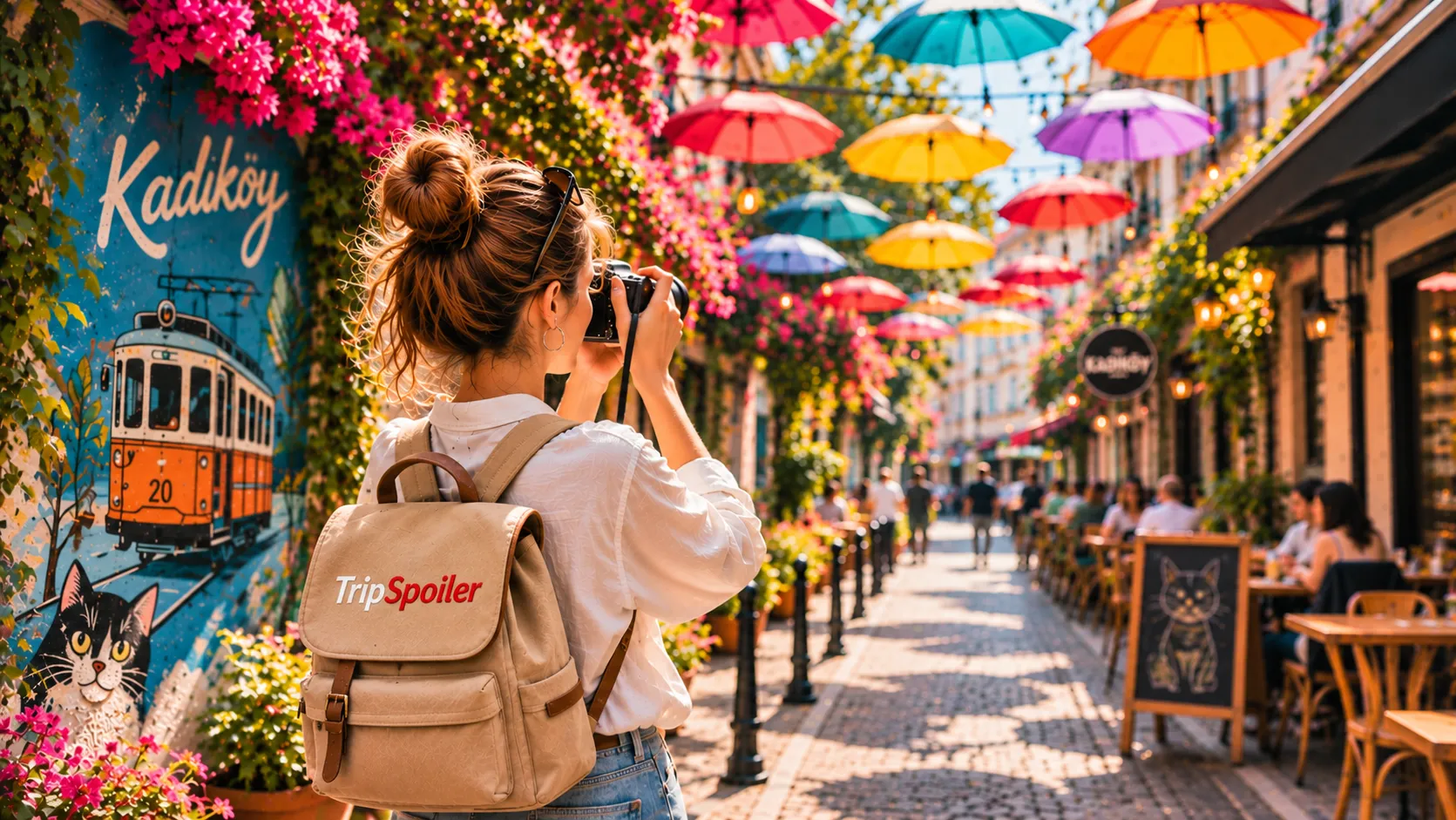
While Istanbul offers enough attractions to keep visitors busy for weeks, some of the most memorable experiences can be found just beyond the city. Within a few hours of the historic centre, travellers can discover peaceful islands, charming coastal towns, green countryside, mountain landscapes and historic destinations that offer a completely different perspective of Türkiye.
Whether you are looking for a relaxing escape from the busy streets, a day surrounded by nature, a seaside adventure or an opportunity to explore more of the country's cultural heritage, there are plenty of destinations worth visiting from Istanbul.
From the Princes' Islands and the coastal villages of the Black Sea to the forests of Sapanca and the historic streets of Bursa, these day trips offer a wonderful way to extend your Istanbul experience.
The Princes' Islands: A Peaceful Escape Across the Sea
Located in the Sea of Marmara, the Princes' Islands are among the most popular day-trip destinations from Istanbul. This beautiful archipelago consists of several islands, with Buyukada, Heybeliada, Burgazada and Kinaliada being the most frequently visited.
Buyukada is the largest and most famous island. Known for its historic wooden mansions, quiet streets, pine-covered hills and seaside restaurants, it offers a relaxing atmosphere away from the city's traffic and crowds.
Explore the island's charming streets, discover historic buildings, enjoy a traditional Turkish breakfast or take a walk along the waterfront. The island's viewpoints also offer beautiful scenery across the Sea of Marmara.
Heybeliada provides a quieter alternative, with green landscapes, historic architecture and pleasant coastal walking routes. It is particularly suitable for visitors looking for a more relaxed island experience.
Burgazada is known for its peaceful atmosphere, literary heritage and beautiful seaside surroundings. It is a wonderful destination for a leisurely afternoon.
Regular ferry services connect Istanbul with the Princes' Islands, making them one of the easiest day trips to organise independently.
Sapanca and Masukiye: Nature, Lakes and Mountain Scenery
For travellers looking to escape the urban atmosphere, Sapanca and Masukiye offer a refreshing combination of nature, forest landscapes and outdoor activities.
Sapanca Lake is surrounded by green hills and peaceful villages, creating an attractive setting for a relaxing day outside Istanbul. Visitors can enjoy lakeside walks, cycling, cafés and restaurants overlooking the water.
Nearby Masukiye is particularly popular for its natural surroundings, forest restaurants and streams. The area offers opportunities for outdoor activities, including nature walks and seasonal adventure experiences.
Depending on the season, visitors can also explore the surrounding countryside, enjoy traditional village breakfasts and discover the nearby Kartepe region.
Sapanca and Masukiye are especially suitable for couples, families and travellers who want to combine relaxation with outdoor activities.
Sile and Agva: Discover Istanbul's Black Sea Coast
Located northeast of Istanbul, Sile and Agva are two attractive coastal destinations offering a different side of the region.
Sile is known for its Black Sea coastline, sandy beaches, historic lighthouse and traditional fishing atmosphere. The town's harbour and coastal viewpoints provide beautiful opportunities for photography and relaxed seaside walks.
One of its most recognisable landmarks is Sile Lighthouse, which overlooks the Black Sea and has become an iconic feature of the town.
Further along the coast, Agva offers a quieter atmosphere surrounded by rivers, forests and small beaches. The area is particularly famous for the Goksu and Yesilcay rivers, where visitors can enjoy peaceful boat trips through natural scenery.
Agva is a good choice for travellers interested in nature, waterfront restaurants and a slower pace of life.
Although both destinations can be visited on a long day trip, travelling by car or joining an organised excursion is generally more convenient than relying on public transport.
Bursa: A Journey Through Ottoman History
Bursa is one of Türkiye's most historically significant cities and an excellent destination for travellers interested in Ottoman architecture, culture and traditional food.
As the first major capital of the Ottoman Empire, Bursa is home to numerous historic mosques, tombs, traditional markets and architectural landmarks.
Visit the Grand Mosque of Bursa (Ulu Cami), famous for its impressive interior and calligraphy. Explore the historic Koza Han, where traditional silk trading once played an important role in the city's commercial life.
The city is also famous for Iskender kebab, one of Türkiye's best-known regional dishes. Enjoying an authentic meal in Bursa is an essential part of the experience.
For visitors interested in nature and mountain scenery, Uludag offers a completely different atmosphere. It is particularly popular during winter for skiing and snow activities, while warmer months provide opportunities for fresh mountain air and scenic views.
Bursa can be visited on a long day trip from Istanbul, although the journey requires planning. Ferry connections and road transfers are among the available options.
Polonezkoy: A Green Retreat Near Istanbul
Located on the Asian side of Istanbul, Polonezkoy is a charming village surrounded by forests and natural landscapes.
Originally established by Polish settlers in the 19th century, the village has retained a distinctive cultural identity that makes it different from many other destinations around Istanbul.
Visitors can explore its peaceful streets, discover traditional architecture, enjoy local restaurants and spend time in the surrounding countryside.
Polonezkoy is particularly popular for its countryside breakfasts, garden restaurants and walking routes. It offers an
Shopping & markets
09 / 10
The Art of Shopping in Istanbul: Historic Bazaars, Local Finds and Modern Retail
6 min read
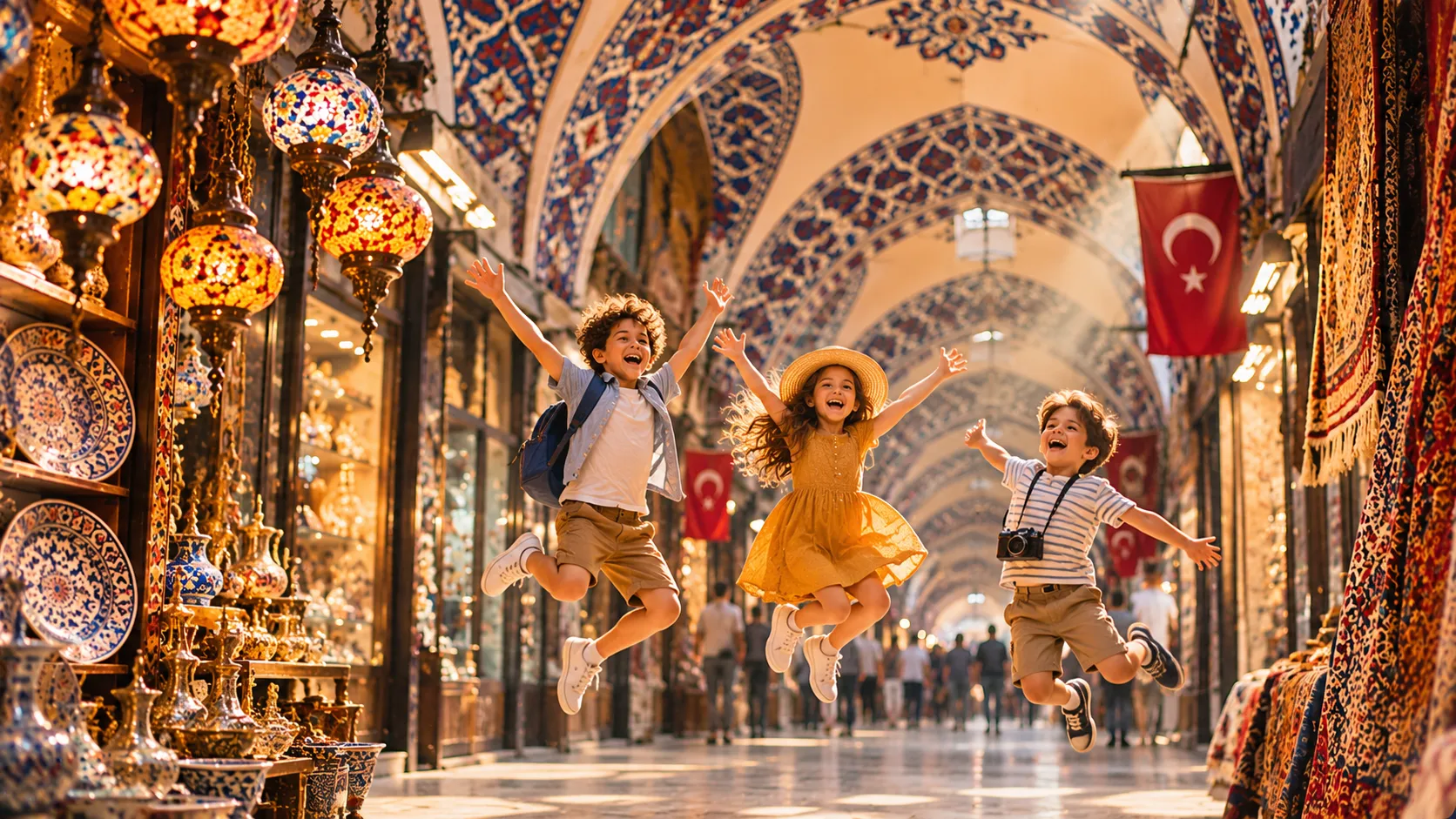
Shopping in Istanbul is an experience that reflects the city's extraordinary cultural diversity. Where centuries-old trading traditions meet contemporary fashion, international brands and independent designers, the city offers an impressive variety of shopping experiences for every type of visitor.
From the historic corridors of the Grand Bazaar to the colourful displays of the Spice Bazaar, from traditional neighbourhood markets to sophisticated shopping centres, Istanbul combines the atmosphere of an ancient trading capital with the energy of a modern retail destination.
Whether you are searching for handmade souvenirs, Turkish textiles, jewellery, antiques, local delicacies or international fashion brands, exploring Istanbul's shopping districts is an essential part of discovering the city.
The Grand Bazaar: Discover One of the World's Oldest Covered Markets
Located in the heart of the Historic Peninsula, the Grand Bazaar (Kapalicarsi) is one of Istanbul's most iconic shopping destinations and a remarkable part of its commercial heritage.
Established in the 15th century during the early Ottoman period, this historic marketplace has developed into a vast network of covered streets, passageways and shops. Its traditional architecture and lively atmosphere offer a glimpse into the city's centuries-old trading culture.
Inside the bazaar, visitors can discover an extensive selection of Turkish carpets, handmade ceramics, traditional textiles, leather goods, jewellery, lamps, antiques and souvenirs.
The Grand Bazaar is also an excellent place to discover traditional craftsmanship. Many shops specialise in products that reflect generations of artistic and commercial heritage.
Take your time exploring the different sections, compare products between shops and enjoy the experience of negotiating prices, which remains part of the traditional shopping culture.
The Spice Bazaar: A Celebration of Turkish Flavours
The Spice Bazaar (Misir Carsisi) is another essential stop for visitors interested in Istanbul's traditional markets.
Located in Eminonu, close to the waterfront and the New Mosque, this historic market is famous for its colourful displays of spices, dried fruits, nuts, teas and traditional sweets.
As you walk through its passageways, you will encounter the aromas of freshly ground spices, Turkish coffee, herbal teas and regional delicacies.
Some of the most popular products include:
- Turkish delight in a variety of flavours
- Traditional baklava and other local sweets
- Turkish coffee and loose-leaf tea
- Saffron, sumac, paprika and other spices
- Dried apricots, figs and nuts
- Local honey and traditional food products
The Spice Bazaar is an excellent place to purchase edible souvenirs and discover ingredients that form an important part of Turkish cuisine.
Istiklal Street: Shopping in the Heart of Beyoglu
Istiklal Street is one of Istanbul's most famous shopping and entertainment avenues. Stretching between Taksim Square and the historic Galata area, it combines international fashion brands, Turkish retailers, bookshops, music stores, cafés and historic commercial buildings.
The street is particularly popular with visitors looking for a combination of shopping, dining and sightseeing.
Explore its side streets and historic passages, where independent boutiques, vintage shops, local designers and traditional businesses offer alternatives to mainstream retail.
The surrounding Beyoglu district also features historic arcades such as Cicek Pasaji and other architectural landmarks that reflect Istanbul's cosmopolitan past.
Whether you are looking for fashion, accessories, books or simply an enjoyable shopping walk, Istiklal Street offers something for different interests.
Nisantasi: Luxury Shopping and Designer Fashion
For a more sophisticated shopping experience, Nisantasi is one of Istanbul's most recognised destinations.
Located in the Sisli district, this elegant neighbourhood is known for its luxury boutiques, international fashion houses, designer stores and stylish cafés.
Abdi Ipekci Street is particularly associated with premium shopping and high-end fashion. Visitors can discover luxury brands, jewellery boutiques, beauty stores and carefully curated retail spaces.
Beyond its shopping opportunities, Nisantasi is also worth exploring for its architecture, restaurants and vibrant café culture.
It is an excellent destination for travellers interested in contemporary fashion, luxury retail and a more exclusive side of Istanbul.
Kadikoy Market: Discover Local Shopping Culture
On the Asian side of Istanbul, Kadikoy Market offers a more traditional and everyday shopping experience.
The market area is known for its fresh produce, fishmongers, bakeries, cheese shops, delicatessens and small independent businesses.
It is a wonderful place to discover the local food culture and observe how residents shop for their everyday ingredients.
Visitors can explore traditional Turkish products, taste local delicacies, purchase regional food items and enjoy the lively atmosphere of the surrounding streets.
The nearby Moda neighbourhood adds another dimension to the experience, with independent bookshops, vintage stores, creative boutiques and contemporary cafés.
Balat and Fener: Vintage Shops, Antiques and Independent Finds
The historic neighbourhoods of Balat and Fener offer a different type of shopping experience.
Known for their colourful buildings, historic streets and cultural heritage, these districts are also home to antique shops, vintage stores, second-hand treasures and independent businesses.
Visitors can browse old furniture, decorative objects, collectibles, traditional household items and unique pieces that reflect Istanbul's multicultural past.
Shopping here is less about large retail brands and more about discovering something distinctive while exploring the neighbourhood.
Take time to walk through the smaller streets, visit local cafés and enjoy the architecture that makes these districts so memorable.
Istanbul's Modern Shopping Malls
Alongside its historic bazaars and traditional shopping streets, Istanbul has developed an extensive modern shopping mall scene.
The city's shopping centres combine international fashion brands, Turkish retailers, restaurants, cinemas, entertainment facilities and lifestyle stores.
Some of the most recognised shopping centres include:
Istinye Park
Located in the Sariyer district, Istinye Park is known for its combination of luxury boutiques, international brands, restaurants and contemporary retail spaces. It offers an extensive shopping experience in an upscale environment.
Zorlu Center
Situated in the Besiktas area, Zorlu Center combines premium shopping with dining, entertainment and cultural activities. It is also known for its performing arts venue, making it more than just a shopping destination.
Kanyon
Kanyon is a distinctive shopping and lifestyle destination in Levent, recognised for its open-air architectural design. It features fashion stores, restaurants, cafés and entertainment options.
Cevahir Shopping Mall
Located in Sisli, Istanbul Cevahir is one of the city's major shopping centres. Its wide range of international and local brands, restaurants and entertainment facilities makes it a popular choice for visitors and residents.
Emaar Square Mall
Located on the Asian side, Emaar Square Mall offers a combination of fashion, lifestyle, dining and entertainment. It is also home to Emaar Aquarium and Underwater Zoo, providing an additional attraction for families.
Mall of Istanbul
One of the city's large shopping and entertainment complexes, Mall of Istanbul features numerous retail stores, restaurants and family-friendly entertainment options, including an indoor theme park.
Arasta Bazaar: Traditional Crafts Near Sultanahmet
For visitors exploring the Historic Peninsula, Arasta Bazaar offers a more intimate shopping experience.
Located behind the Blue Mosque, this traditional shopping street features shops selling Turkish carpets, ceramics, textiles, jewellery and handcrafted souvenirs.
Compared with the Grand Bazaar, Arasta Bazaar has a smaller and generally more relaxed atmosphere, making it an enjoyable stop during a day of historical sightseeing.
It is particularly convenient for travellers who want to purchase traditional Turkish handicrafts without travelling far from Sultanahmet's major attractions.
What to Buy in Istanbul: Souvenirs and Local Specialities
Istanbul offers a remarkable selection of products that reflect Türkiye's craftsmanship, culinary traditions and cultural identity.
Some of the most popular items to look for include:
Turkish ceramics: Handmade plates, bowls, tiles and decorative objects featuring traditional Ottoman-inspired patterns.
Turkish carpets and kilims: Traditional woven textiles with regional designs and distinctive craftsmanship.
**Tur
Practical tips
10 / 10
Before You Explore Istanbul: Essential Travel Tips, Local Customs and Practical Advice
10 min read
Istanbul is a fascinating destination where centuries of history, different cultures and modern urban life come together. From its historic mosques and traditional neighbourhoods to its lively shopping streets and contemporary cafés, the city offers an unforgettable experience for visitors from around the world.
However, understanding a few local customs, practical arrangements and everyday details before arriving can make your journey considerably more comfortable. Knowing how tipping works, what to expect when visiting a mosque, how to stay connected to the internet and how to navigate the city safely will help you enjoy Istanbul with greater confidence.
Whether you are visiting for the first time or returning to discover more, here are some essential things to know before exploring Istanbul.
Understanding Turkish Culture and Local Customs
Turkish culture is known for its hospitality, social traditions and strong appreciation of food, family and community. Visitors will often encounter friendly shopkeepers, welcoming restaurant staff and locals who are happy to offer directions or recommendations.
A few simple expressions can make everyday interactions more enjoyable:
- Merhaba: Hello
- Tesekkur ederim: Thank you
- Lutfen: Please
- Gunaydin: Good morning
- Iyi gunler: Have a nice day
- Hosca kalin: Goodbye
Although English is commonly spoken in hotels, popular tourist areas and many restaurants, it may be less widely understood in smaller neighbourhood businesses. Having a translation application available can be useful.
Turkish hospitality also plays an important role in everyday life. Offering tea to guests is a common social gesture, and sharing a meal is often an important part of local culture.
Tipping in Istanbul: What Should You Know?
Tipping is common in Istanbul, particularly in restaurants, cafés, hotels and tourism-related services. However, it is generally discretionary rather than compulsory.
In restaurants, visitors often leave a tip when they are satisfied with the service. The amount depends on the type of establishment, the quality of service and personal preference. In more casual cafés, rounding up the bill may be sufficient.
Here are some general guidelines:
Restaurants: Leaving around 5–10% for good service is a common practice, although it is not obligatory.
Cafés: Small tips or rounding up the total are appreciated.
Hotel staff: Guests may choose to tip housekeeping staff, porters or other employees who provide additional assistance.
Tour guides: Tipping a guide is optional and can reflect the quality and duration of the experience.
Taxi drivers: Tipping is not mandatory. Some passengers simply round up the fare.
Before leaving a restaurant, check whether a service charge has already been included in the bill. This helps avoid tipping twice unintentionally.
Visiting Mosques: Dress Codes and Religious Etiquette
Istanbul is home to some of the world's most impressive mosques, including Hagia Sophia, the Blue Mosque, Suleymaniye Mosque and many smaller historic places of worship.
Many mosques welcome visitors outside prayer times, but it is important to respect their religious significance and follow local visitor rules.
When visiting a mosque, keep the following guidelines in mind:
- Dress modestly and ensure that shoulders and knees are covered.
- Women may be required to cover their hair with a headscarf.
- Remove your shoes before entering designated prayer areas.
- Avoid walking in front of people who are praying.
- Keep your voice low and behave respectfully.
- Follow signs and staff instructions regarding photography.
- Avoid entering restricted areas reserved for worshippers.
Some mosques provide coverings for visitors who need them, although bringing your own scarf can be convenient.
Prayer times may affect visitor access, particularly around Friday prayers and religious occasions. Check visiting arrangements before planning your visit.
Is Istanbul Safe for Tourists?
Istanbul is a major international tourist destination, and millions of visitors explore the city every year. As in other large cities, however, it is important to remain aware of your surroundings and take reasonable precautions.
Popular tourist areas such as Sultanahmet, Taksim, Galata, Eminonu and Kadikoy are generally busy throughout the day. Keeping an eye on personal belongings is particularly important in crowded places.
Some useful precautions include:
- Keep your phone, wallet and passport secure in crowded areas.
- Be cautious of unsolicited offers from strangers, particularly around popular tourist attractions.
- Check restaurant menus and prices before ordering.
- Use official taxi services or reputable transportation applications.
- Avoid displaying large amounts of cash or valuable jewellery.
- Keep a digital copy of important travel documents.
- Stay aware of your surroundings when walking at night.
- Use well-lit and busy routes when returning to your accommodation.
Be particularly careful with unsolicited invitations to bars or clubs. Some visitors encounter overpriced bills or misleading offers in tourist-heavy entertainment districts.
If something feels uncomfortable or suspicious, politely decline and move on.
Money, Currency and Payments in Istanbul
The official currency of Türkiye is the Turkish lira (TRY).
Credit and debit cards are widely accepted in hotels, shopping centres, established restaurants and many retail stores. Contactless payments are also available at numerous businesses.
However, carrying a small amount of cash can still be useful when visiting traditional markets, smaller cafés, local shops or certain neighbourhood businesses.
A few practical recommendations:
- Check your bank's foreign transaction and currency conversion fees.
- Choose to pay in Turkish lira when a card terminal offers a choice between TRY and your home currency, as this can help avoid unfavourable dynamic currency conversion.
- Use established exchange offices and banks.
- Check the exchange rate before changing money.
- Keep smaller banknotes for everyday purchases and tips.
- Always check the amount displayed on payment terminals before confirming a transaction.
Avoid exchanging money with unofficial individuals offering rates on the street.
Internet Access, SIM Cards and Staying Connected
Having reliable internet access makes exploring Istanbul much easier. You can use online maps, translation applications, transportation services, restaurant recommendations and digital tickets throughout your visit.
International visitors have several connectivity options.
Local SIM cards: Türkiye's mobile operators offer prepaid SIM options for visitors. These are available through official operator shops and authorised sales channels. Passport identification and registration requirements may apply.
eSIM: Travellers with compatible smartphones can consider purchasing an international or Türkiye-specific eSIM before arrival. This can be convenient because it allows you to arrange connectivity without physically changing your SIM card.
Hotel and café Wi-Fi: Many hotels, cafés, restaurants and shopping centres offer Wi-Fi. However, connection quality and registration requirements vary.
Before travelling, check whether your phone is unlocked and supports the network bands and eSIM technology required by your chosen provider.
It is also worth downloading offline maps of Istanbul so that you can navigate even when your internet connection is unavailable.
Emergency Numbers and Important Contact Information
Knowing which number to call in an emergency is an important part of travelling abroad.
Türkiye uses 112 as its unified emergency number for ambulance, fire, police and other emergency services.
Keep the following information accessible during your stay:
- 112: Emergency services
- Your embassy or consulate: For passport loss and consular assistance
- Your accommodation: Keep its address and telephone number available.
- Travel insurance provider: Save the emergency assistance contact details.
- Airline: Keep your booking reference and flight information accessible.
If you require medical assistance, Istanbul has numerous public and private hospitals. Travel insurance covering medical treatment and emergencies is strongly recommended.
Getting Around: Useful Everyday Travel Advice
Istanbul is a large city with a complex transportation network. Understanding how to move between districts can save considerable time.
The Istanbulkart is a convenient payment option for many public transportation services, including metro, tram, buses, Marmaray and ferries.
Metro and tram services are often practical for reaching major attractions, while ferries provide scenic connections between the European and Asian sides.
Keep in mind that:
- Traffic can be particularly heavy during morning and evening rush hours.
- Walking distances between attractions may be longer than they appear on a map.
- Some neighbourhoods have steep streets and cobbled pavements.
- Ferry schedules and metro operating hours should be checked in advance.
- Airport transfers may require additional time during busy periods.
For sightseeing, combining public transportation with walking is often the most convenient approach.
Weather, Clothing and What to Pack
Istanbul experiences four distinct seasons, and weather conditions can change throughout the year.
Spring and autumn are generally comfortable for sightseeing, although occasional rain is possible. Summers can be hot and humid, while winters are often cool, rainy and sometimes snowy.
Consider packing according to the season:
Spring: Comfortable walking shoes, light layers and a waterproof jacket.
Summer: Lightweight clothing, sunglasses, sunscreen and comfortable footwear.
Autumn: Layers, a light jacket and an umbrella.
Winter: A warm coat, waterproof shoes, scarves and suitable cold-weather clothing.
Regardless of the season, comfortable footwear is essential because exploring Istanbul often involves long walks, hills and historic cobblestone streets.
Public Holidays, Ramadan and Religious Celebrations
Türkiye has several national and religious holidays throughout the year. These occasions can influence business hours, transportation schedules, visitor numbers and the availability of certain services.
Ramadan is an important period in the Islamic calendar. During this month, many restaurants remain open during the day, particularly in tourist areas, while some local businesses may adjust their schedules.
After sunset, the city becomes especially lively as families and friends gather for iftar meals.
The two main Islamic celebrations are Eid al-Fitr and Eid al-Adha. These holidays can bring increased domestic travel, busy transportation services and changes to the opening hours of some businesses.
National holidays and major public celebrations may also affect opening arrangements at museums, shops and tourist attractions. Checking schedules in advance is always advisable.
Shopping and Bargaining Etiquette
Shopping is an important part of the Istanbul experience, particularly in traditional markets such as the Grand Bazaar and Spice Bazaar.
Bargaining is common in some traditional bazaars, especially when purchasing souvenirs, textiles, carpets and certain handicrafts. It is generally not expected in established shopping centres, supermarkets or branded retail stores.
When shopping:
- Compare prices before making a purchase.
- Ask about materials and craftsmanship.
- Check product quality carefully.
- Request a receipt for valuable purchases.
- Be respectful when negotiating.
- Avoid purchasing branded products from sellers if authenticity cannot be verified.
Traditional markets are also social spaces, so take your time and enjoy the atmosphere rather than feeling pressured to buy something.
Food and Drinking Water: What Visitors Should Know
Turkish cuisine is one of the highlights of visiting Istanbul. From traditional kebabs and mezes to freshly baked simit, Turkish breakfast and regional desserts, the city offers an impressive culinary variety.
Restaurants in popular tourist areas often have multilingual menus, while smaller local establishments may offer a more limited selection in English.
For drinking water, bottled water is widely available in supermarkets, convenience stores and restaurants. Many visitors prefer bottled water while travelling.
If you have dietary restrictions or food allergies, communicate them clearly to restaurant staff. Learning a few relevant Turkish expressions or using a translation application can be helpful.
Photography and Respecting Local Privacy
Istanbul offers countless photography opportunities, from the Bosphorus skyline and historic mosques to colourful neighbourhood streets and traditional markets.
However, it is important to respect local privacy and religious practices.
Before photographing people, especially at close range, ask for permission. Be particularly considerate when photographing worshippers inside mosques or people engaged in religious activities.
Some museums, palaces and attractions have restrictions on photography, flash use or professional equipment. Always follow the instructions displayed at each location.
Useful Apps for Your Istanbul Visit
A few smartphone applications can make your trip considerably easier.
- Google Maps: For navigation, walking routes and public transportation directions.
- Google Translate: For communicating with local businesses and understanding Turkish menus.
- Official Metro Istanbul channels: For metro lines, service information and transport updates.
- Official IETT channels: For public bus routes and schedules.
- Havaist: For airport shuttle information and route planning.
- Your airline application: For flight updates, boarding passes and travel notifications.
Downloading important applications before departure can save time when you arrive.
Final Travel Checklist Before Visiting Istanbul
Before starting your journey, make sure you have considered the following:
- Check your passport validity and entry requirements.
- Confirm your accommodation address and reservation.
- Arrange airport transportation.
- Check your mobile connectivity options.
- Prepare a payment method and some local currency.
- Save emergency contact information.
- Review opening hours for the attractions you want to visit.
- Check local transport routes.
- Arrange suitable travel insurance.
- Download offline maps and essential travel applications.
A little preparation can help you avoid unnecessary complications and spend more time enjoying the city.
Experience Istanbul with Confidence with TripSpoiler
Understanding local customs, transportation, payment methods and everyday practical details can make a significant difference to your Istanbul experience.
From exploring historic mosques and traditional bazaars to enjoying local cuisine, discovering neighbourhoods and taking scenic Bosphorus cruises, every part of the city offers something worth experiencing.
With TripSpoiler, discover guided tours, cultural attractions, local activities and memorable experiences across Istanbul. Prepare for your journey, explore with confidence and enjoy everything this extraordinary city has to offer.
Popular right now
The experiences travelers pick most.
Hand-picked tickets, tours and city passes, with honest details before you book.
-
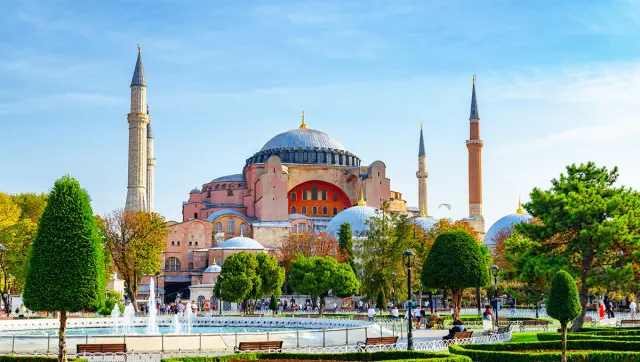 Experience Audio guide
Istanbul
Hagia Sophia: An Exclusive Journey Through History
Details -
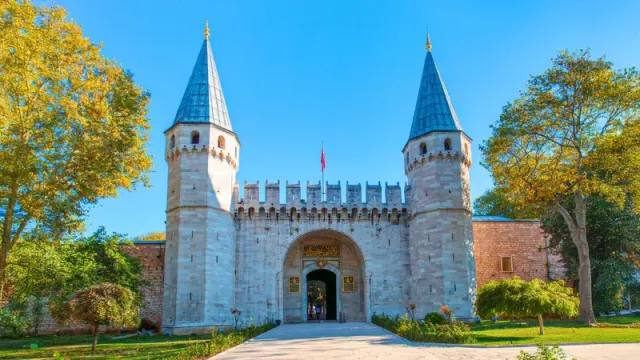 Experience Audio guide
Istanbul
Topkapi Palace: Discover the Imperial Harem & Ottoman Legacy
Details -
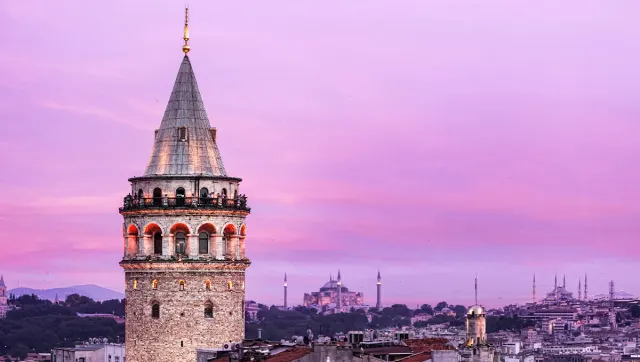 Experience Audio guide
Istanbul
Galata Tower: Panoramic Views & Ottoman-Era Istanbul
Details -
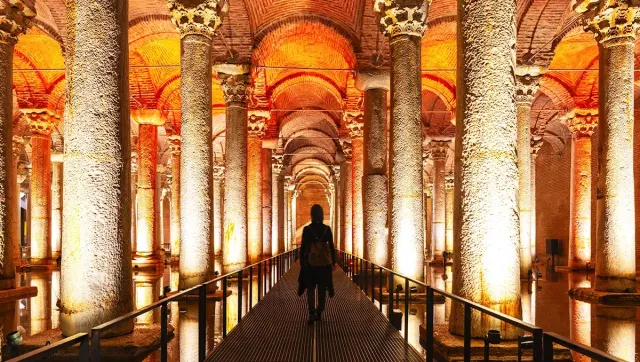 Experience Audio guide
Istanbul
Basilica Cistern: The Hidden World Beneath Istanbul
Details -
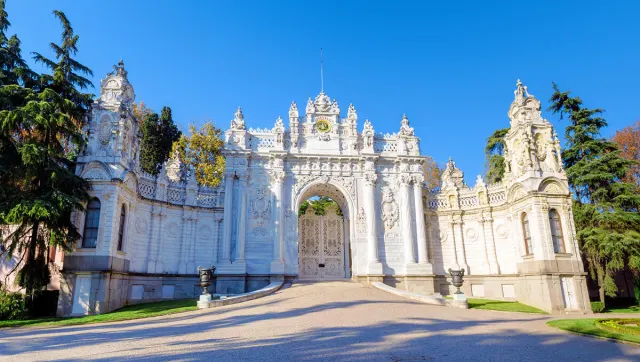 Experience Audio guide
Istanbul
Dolmabahce Palace: Where Ottoman Grandeur Meets Europe
Details -
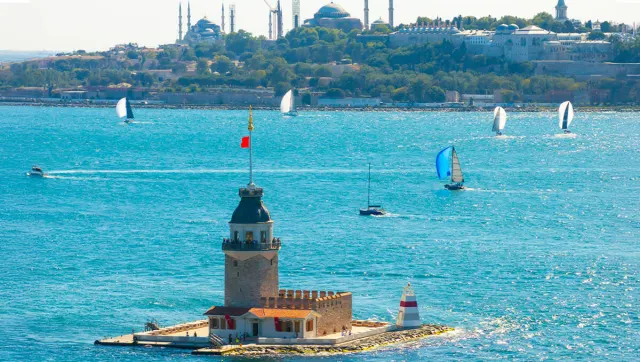 Experience Audio guide
Istanbul
Maiden's Tower: Istanbul's Stories Rising from the Bosphorus
Details -

All activities
Every ticket, tour and city pass in one place.
See all →
Weather
Weather in Istanbul
Istanbul · Now 17:45
20°
Mostly sunny
High 20° / Low 19°
- Wind
- 39 km/h
- Humidity
- %70
- Sunrise
- 07:49
- Sunset
- 17:47
7-day forecast
- Today Partly cloudy 20° 19°
- Saturday Heavy rain 26,5 mm 20° 12°
- Sunday Partly cloudy 13° 11°
- Monday Cloudy 14° 11°
- Tuesday Cloudy 17° 13°
- Wednesday Rain 14,4 mm 19° 16°
- Thursday Cloudy 13,3 mm 15° 14°
What to wear today?
- No rain expected You can leave the umbrella at home.
- Very strong wind expected Wear a windproof coat and check boat tours before you go.
- It’s mild A T-shirt is fine, take a light layer for the evening.
For good weather: outdoor picks
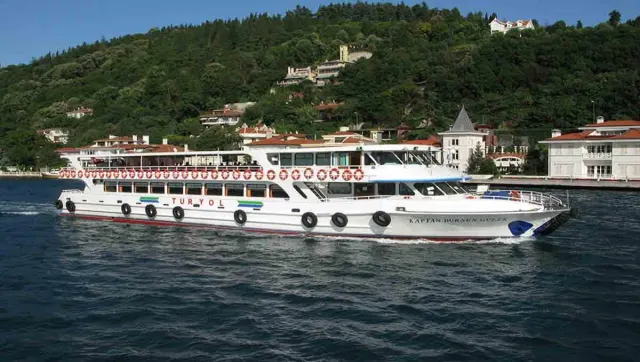
Updated at 16:19 · Source: MET Norway
Local time
Time in Istanbul
17:4548
Friday, 13 November
Europe/Istanbul · UTC+3
Your time
- Sunrise
- 07:49
- Sunset
- 17:47
- UTC offset
- UTC+3
- Daylight saving
- Not observed
Best time to call:
From the journal
Guides for Istanbul
Practical, honest guides that help you decide what to see and how to see it.
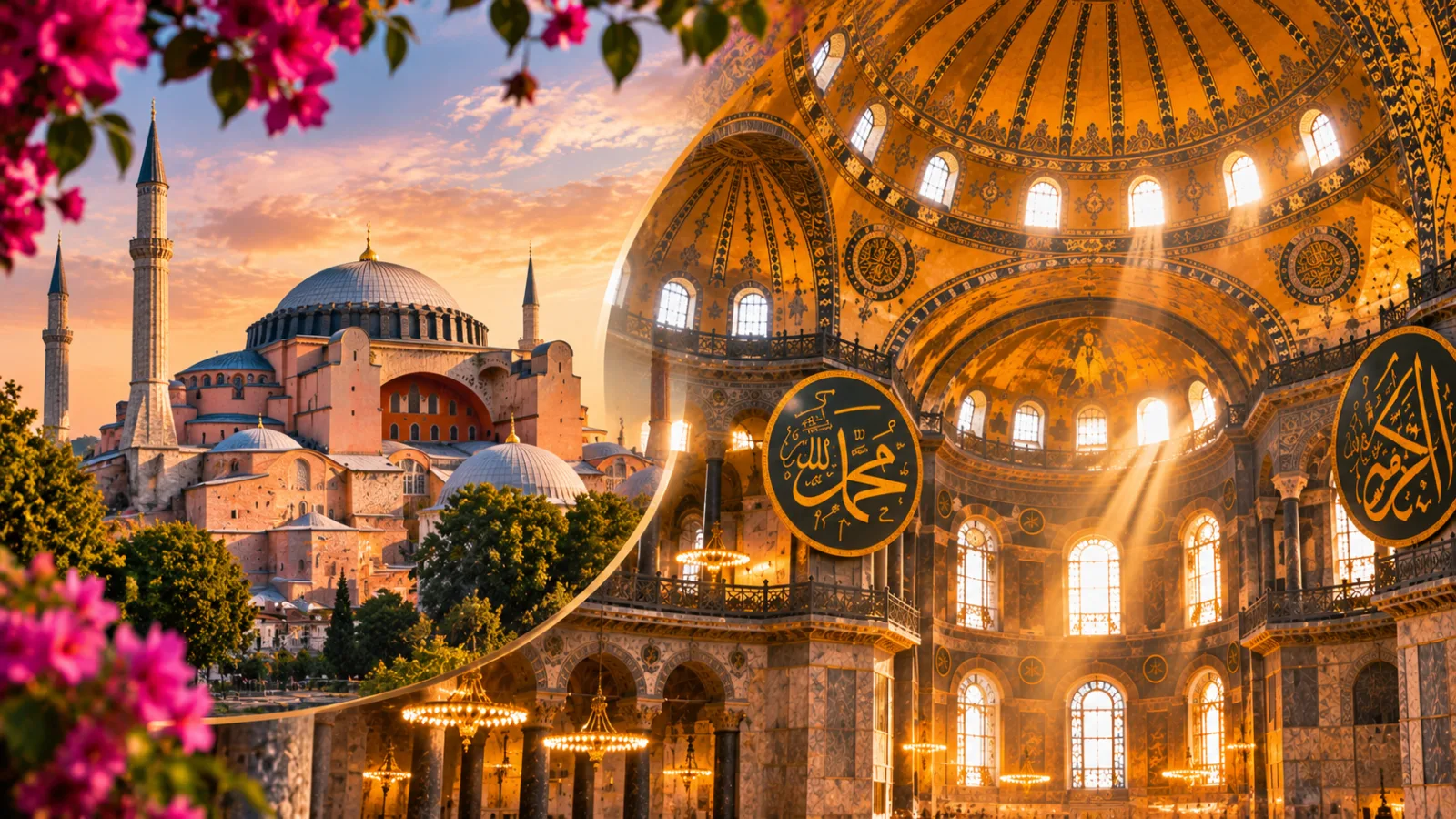
Hagia Sophia Istanbul: History, Architecture & Hidden Details
Explore Hagia Sophia in Istanbul, from its Byzantine origins and Ottoman transformation to its iconic dome, ancient mosaics and remarkable architectural details.
Read the guideNew guides in your inbox
We only write when there is something worth reading.
FAQ
Questions, answered.
Quick answers to what travelers ask us most.
 Still have a question?
Write to us; we usually reply within a day.
-
Istanbul Airport (IST) is located outside the central districts. You can reach the city by Havaist airport shuttles, metro, taxi or private transfer. The best option depends on your destination, budget and arrival time.
-
Istanbul offers an extensive public transportation network, including metro lines, trams, buses, ferries and funiculars. Public transportation is often the most convenient way to explore the city, especially during busy traffic hours.
-
You can purchase an Istanbulkart from designated vending machines and sales points at metro stations, airports and other transportation hubs. The card can be topped up and used on most public transportation services throughout Istanbul.
-
You can travel between the two continents using ferries, Marmaray, metro connections and buses. Ferries are particularly enjoyable for visitors who want to experience the Bosphorus and see the city from the water.
-
Three to five days is a good amount of time to explore Istanbul's main attractions. This allows you to visit Sultanahmet, discover different neighborhoods, enjoy a Bosphorus cruise and experience both sides of the city without rushing.
-
Booking tickets in advance can help you avoid queues and secure your preferred visiting times, especially during peak tourist seasons. Check the official ticket information for attractions such as Topkapi Palace, Basilica Cistern and other popular landmarks.
-
Visitors should dress respectfully when entering mosques. Shoulders and knees should generally be covered, and women may be asked to cover their hair. Headscarves and other coverings may be available at some mosque entrances.
-
Popular departure points include Eminonu, Kabatas and Besiktas. Visitors can choose between public ferry journeys, short sightseeing cruises and longer Bosphorus tours. Compare departure locations and durations before choosing your experience.
-
Kadikoy and Moda are popular for cafés, food markets and seaside walks. Balat is known for its colorful streets and historic architecture, while Kuzguncuk offers a quieter atmosphere with traditional houses and neighborhood cafés.
-
Credit and debit cards are widely accepted in hotels, restaurants, shopping malls and larger businesses. However, carrying some Turkish Lira in cash is useful for smaller shops, local markets and certain independent businesses.
TRAVEL EXPERIENCES, REAL STORIES
Every journey has a story to tell.
The best travel insights come from those who have been there. Explore traveler feedback and discover how TripSpoiler helps people find remarkable places, compare experiences and plan their journeys with confidence.
Write a Review
Your experience helps other travelers plan better.
Thank you!
Your review was sent. It will appear on the site once approved.