YOUR NEXT DESTINATION
Barcelona Spain Gaudí, tapas and the Mediterranean: discover Barcelona.
From Gaudí's masterpieces and Gothic lanes to beaches, markets and late-night tapas, plan the best things to do in Barcelona and explore the city like a local.
Choose a city · 18 cities


Barcelona at a glance
| Best time to visit | May–June and September–October: warm weather, sea swimming and fewer crowds than in August |
|---|---|
| How many days | 3–4 days for the Gaudí sights, the old town and the beach; add a day for Montserrat |
| Daily budget | Roughly €70–140 per person per day, excluding your hotel |
| Airport to city centre | Barcelona–El Prat (BCN): Aerobús to Plaça de Catalunya, metro L9 Sud or the R2 Nord train |
| Getting around | Metro, buses, trams and trains; T-casual 10-trip ticket or the Hola Barcelona travel card |
| Currency | Euro (EUR); cards are accepted almost everywhere |
|---|---|
| Language | Catalan and Spanish; English is widely spoken in tourist areas |
| Tipping | Not obligatory; round up or leave 5–10% for good service |
| Plugs and voltage | Type C and F plugs, 230 V |
| Emergency number | 112 |
Prices and times are approximate and can change. Check official sources before you travel.
Top places to visit in Barcelona
-
 Sagrada Família
See activities →
-
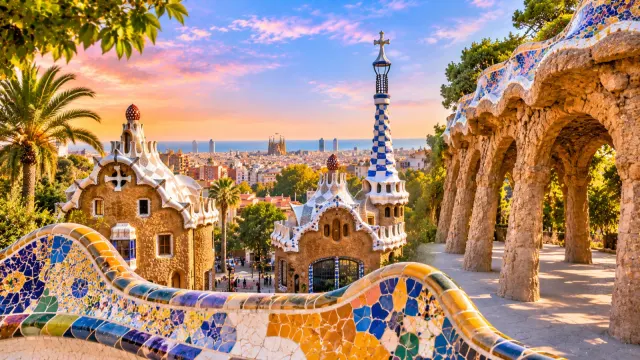 Park Güell
See activities →
-
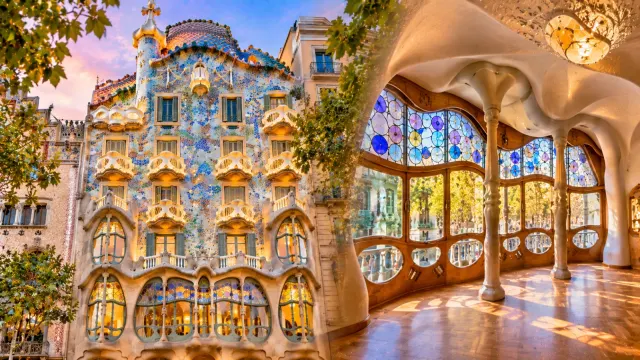 Casa Batlló
See activities →
-
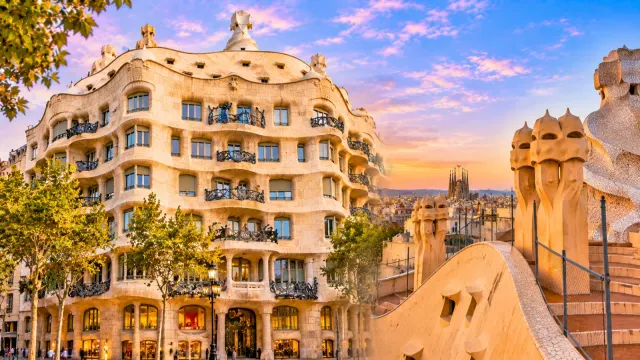 La Pedrera-Casa Milà
See activities →
-
 Palau de la Música Catalana
See activities →
-
 Barcelona Aquarium
See activities →
Compare passes & combos in Barcelona
Which places each pass or combo includes.
Included Not included
-
 City pass
Most places
Barcelona City Pass Explorer: Park Güell, La Pedrera & Harbour Cruise
2/6
- Sagrada Família Not included
- Park Güell Included
- Casa Batlló Not included
- La Pedrera-Casa Milà Included
- Palau de la Música Catalana Not included
- Barcelona Aquarium Not included
-
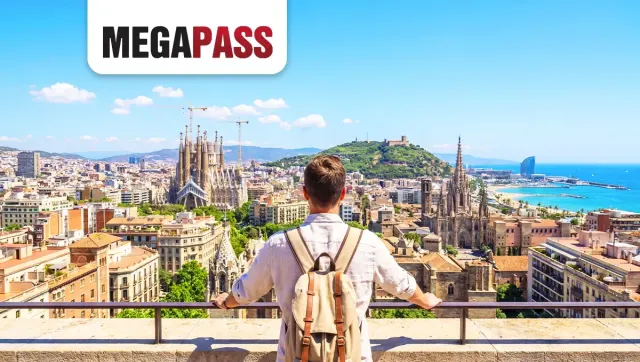 City pass
Most places
Barcelona City Pass Essential: Park Güell, La Pedrera & City Audio Walk
2/6
- Sagrada Família Not included
- Park Güell Included
- Casa Batlló Not included
- La Pedrera-Casa Milà Included
- Palau de la Música Catalana Not included
- Barcelona Aquarium Not included
-
 Package
Most places
Sagrada Família & Park Güell Combo Ticket with Two Audio Guides
2/6
- Sagrada Família Included
- Park Güell Included
- Casa Batlló Not included
- La Pedrera-Casa Milà Not included
- Palau de la Música Catalana Not included
- Barcelona Aquarium Not included
-
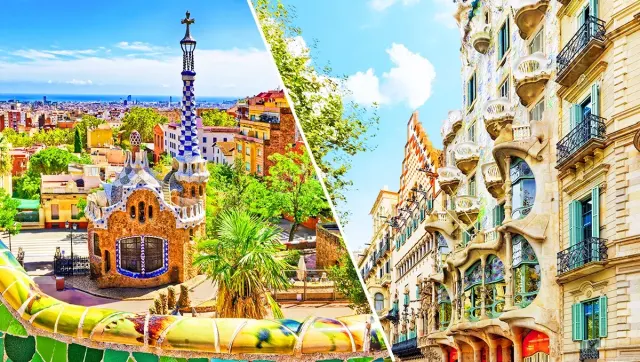 Package
Most places
Casa Batlló & Park Güell Gaudí Combo with Audio Guides
2/6
- Sagrada Família Not included
- Park Güell Included
- Casa Batlló Included
- La Pedrera-Casa Milà Not included
- Palau de la Música Catalana Not included
- Barcelona Aquarium Not included
Things to see
01 / 10
Barcelona Unwrapped: Gaudí, Gothic Lanes and the Sights You Should Not Miss
4 min read

Barcelona packs an extraordinary amount into a compact space: the fantasy architecture of Antoni Gaudí, a medieval old town of narrow lanes, a city beach, green hills with views over the sea and some of the best food culture in Europe. You can spend the morning inside a basilica that is still being built, the afternoon on the sand and the evening in a tapas bar that has barely changed in decades.
This guide covers the sights most visitors want to see, how to group them and how to avoid the queues that build up at the most famous places.
The Gaudí essentials
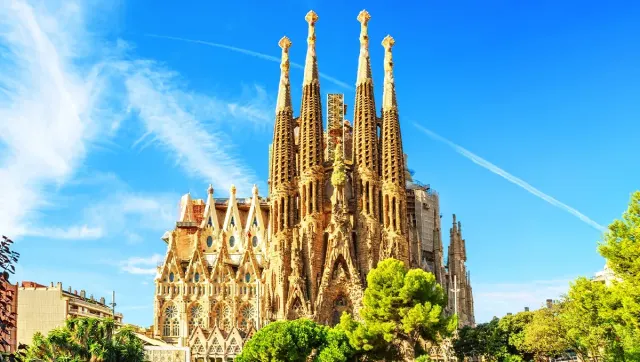
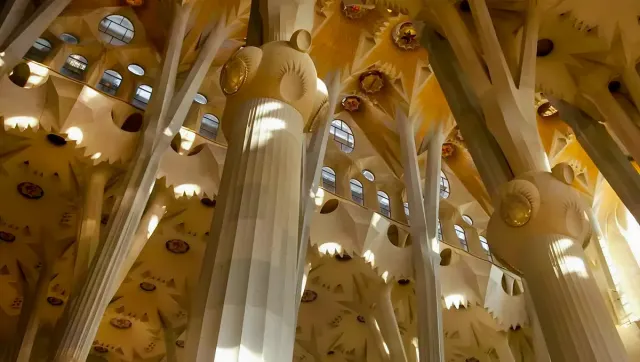
- Sagrada Família: Gaudí's unfinished masterpiece and the city's symbol. Its central Tower of Jesus Christ was completed on the outside in 2026, making it the tallest church in the world. Inside, a forest of columns and stained glass fills the nave with colour. Book a timed ticket well in advance.
- Park Güell: a hillside park with mosaic benches, the famous dragon staircase and views across the city to the sea. The Monumental Zone needs a timed ticket; the rest of the park is a pleasant walk.
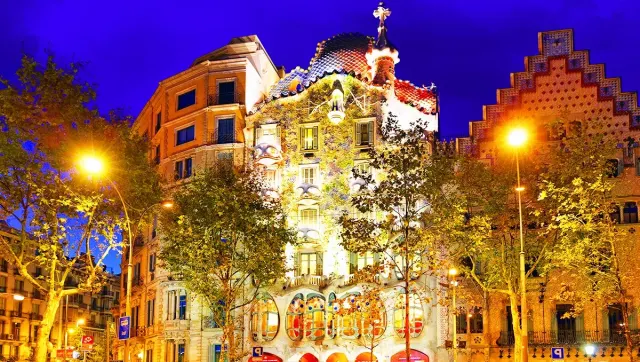
- Casa Batlló: a house on Passeig de Gràcia with a rippling façade, bone-like balconies and a roof shaped like a dragon's back.
- Casa Milà (La Pedrera): a stone apartment building with a wavy façade and a rooftop of sculpted chimneys, a short walk from Casa Batlló.
The old town: Gothic Quarter and El Born
The Gothic Quarter (Barri Gòtic) is the oldest part of the city, with Roman walls, hidden squares and the Barcelona Cathedral. Next door, El Born is home to the elegant Basilica of Santa Maria del Mar and the Picasso Museum, set in medieval palaces. Both are best explored on foot, early in the morning or in the evening when the lanes are calmer.
La Rambla and La Boqueria
La Rambla is the famous tree-lined boulevard running from Plaça de Catalunya down to the sea. It is lively but very touristy, so walk it once and keep an eye on your belongings. Halfway down, La Boqueria market is a feast of fruit, ham, seafood and small counter bars.
Montjuïc: museums, gardens and views
The hill of Montjuïc overlooks the port. It is home to the National Art Museum of Catalonia (MNAC), the Fundació Joan Miró, the 1992 Olympic venues, gardens and the Montjuïc Castle. At the foot of the hill, the Magic Fountain hosts light and music shows on selected evenings; check the current schedule before you go.
The beach and the waterfront
Barceloneta is the city beach closest to the old town, with a long promenade, seafood restaurants and beach bars. Quieter beaches stretch north towards Poblenou. The old port, Port Vell, is pleasant for an evening walk.
More highlights worth your time
- Palau de la Música Catalana: a dazzling modernista concert hall; join a tour or, better, a concert.
- Sant Pau Recinte Modernista: a former hospital complex of colourful pavilions, far calmer than the Gaudí sights.
- Tibidabo: the highest hill in the city, with a church, an old amusement park and big views.
- Bunkers del Carmel: a former anti-aircraft battery that is now a popular sunset viewpoint.
- Spotify Camp Nou: FC Barcelona's stadium has been under major renovation, so check what tours and areas are open before planning a visit.
How to group the sights
| Area | Sights | Time to allow |
|---|---|---|
| Eixample | Sagrada Família, Casa Batlló, Casa Milà | A full day |
| Old town | Gothic Quarter, Cathedral, El Born, Picasso Museum | Half to a full day |
| Gràcia and the hills | Park Güell, Bunkers del Carmel | Half a day |
| Montjuïc | MNAC, Miró, castle, Magic Fountain | Half a day |
| Waterfront | Barceloneta, Port Vell | Half a day |
Tips for avoiding the queues
- Book the Sagrada Família, Park Güell, Casa Batlló and Casa Milà online before you travel; walk-up tickets often sell out.
- Choose the first slot of the day for the busiest sights.
- Visit churches with shoulders and knees covered.
- Group sights by neighbourhood to avoid crossing the city several times a day.
Food & drink
02 / 10
Barcelona at the Table: Tapas, Markets and Catalan Flavours
3 min read

Food is one of the great reasons to visit Barcelona. The city combines Catalan home cooking, Spanish tapas culture and fresh Mediterranean seafood, and much of the best eating happens at small counters, neighbourhood bars and food markets rather than in formal restaurants.
When people eat
Meal times are later than in many countries, and adjusting to them makes a big difference:
| Meal | Typical time | Tip |
|---|---|---|
| Breakfast | 8:00–10:00 | A coffee and a pastry or toast with tomato |
| Lunch | 13:30–15:30 | The main meal; look for a set "menú del día" on weekdays |
| Vermouth hour | Around midday at weekends | A glass of vermouth with olives and crisps |
| Dinner | From about 21:00 | Restaurants opening at 19:00 are usually aimed at tourists |
Dishes to try
- Pa amb tomàquet: bread rubbed with ripe tomato, olive oil and salt, the base of many Catalan meals.
- Patatas bravas: fried potatoes with a spicy sauce and often aioli.
- Bombas: fried balls of potato and meat, a classic in Barceloneta.
- Jamón ibérico: cured Iberian ham, sliced thin.
- Seafood paella and arròs negre: rice dishes cooked with seafood or squid ink. Paella comes from Valencia, but it is widely eaten in Barcelona, especially by the sea at lunchtime.
- Fideuà: a seafood dish like paella but made with short noodles.
- Escalivada and esqueixada: roasted vegetables, and a salad of salt cod, tomato and onion.
- Crema catalana: a custard with a caramelised sugar crust.
- Calçots: long grilled onions with romesco sauce, eaten at a calçotada in winter and early spring.
What to drink
- Cava: Catalan sparkling wine.
- Vermouth (vermut): a traditional pre-lunch drink, often served on tap.
- Catalan wines: look for regions such as Priorat and Penedès.
- Horchata: a sweet, cold tiger-nut drink, popular in summer.
Food markets
- La Boqueria: the most famous market, on La Rambla. Go early in the morning and eat at one of the counter bars inside.
- Santa Caterina: in El Born, with a colourful wavy roof and fewer tourists.
- Sant Antoni: a beautifully restored neighbourhood market, with a book and collectors' market on Sunday mornings.
Where to eat by neighbourhood
- El Born and the Gothic Quarter: tapas bars, wine bars and historic taverns.
- Barceloneta: seafood and rice dishes by the sea.
- Gràcia: local restaurants and squares with terraces.
- Poble Sec: Carrer de Blai is known for pintxos bars.
- Eixample: modern restaurants and classic cafés.
Tips for eating well
- Avoid restaurants with picture menus and staff calling you in on La Rambla.
- Order a few dishes to share rather than one each.
- Bread and tap water may be charged in some places; ask if unsure.
- Tipping is not obligatory; rounding up or leaving 5–10% for good service is appreciated.
- Book popular restaurants for dinner, especially at weekends.
Where to stay
03 / 10
Where to Stay in Barcelona: Neighbourhoods for Every Kind of Trip
3 min read

Barcelona is compact and well connected, so you can reach most sights from almost anywhere. Still, the neighbourhood you choose shapes your trip: some are lively and central, others are quieter and more local. Here is a simple overview.
Neighbourhoods at a glance
| Area | Best for | Keep in mind |
|---|---|---|
| Gothic Quarter | First-time visitors who want to walk everywhere | Busy and noisy at night; small rooms |
| El Born | Couples, food and nightlife | Lively streets until late |
| Eixample | Families, comfort, the Gaudí sights | Less atmospheric at night, but very practical |
| Gràcia | A local, village-like feel | A metro ride from the old town and the beach |
| Barceloneta | Beach holidays | Crowded in summer; fewer hotels |
| Poble Sec | Good value and tapas | Hilly near Montjuïc |
| Poblenou | Quieter beaches and modern hotels | Further from the main sights |
Gothic Quarter and El Born: the historic heart
Staying in the old town puts you within walking distance of the Cathedral, the Picasso Museum, La Rambla and the waterfront. The lanes are atmospheric, and you will never be far from a tapas bar. The downside is noise: these areas are busy day and night, especially at weekends.
Eixample: elegant and practical
Eixample is the 19th-century grid district with wide streets, modernista buildings and plenty of hotels. Passeig de Gràcia, Casa Batlló, Casa Milà and the Sagrada Família are all here, and the metro connections are excellent. It is a good choice for families and anyone who wants a calmer night's sleep close to the action.
Gràcia: the local favourite
Once a separate town, Gràcia still feels like a village of squares, independent shops and neighbourhood restaurants. It is close to Park Güell and has a lively but local evening scene. In August it hosts the colourful Festa Major de Gràcia street festival.
Barceloneta and the beach
If the sea is your priority, the old fishermen's district of Barceloneta puts the beach on your doorstep. Choice of accommodation is smaller, and it gets very busy in summer, but mornings by the sea are hard to beat.
Booking tips
- Book early for summer and major events, such as trade fairs and festivals, when prices rise quickly.
- Check the total price. Barcelona charges a tourist tax on top of the room price, and a city surcharge is set to rise in April 2027.
- Choose licensed rentals. Spain is cracking down on illegal holiday apartments, and from 1 December 2026 short holiday rentals face 10% VAT. Look for a registration number on the listing.
- Ask about air conditioning for July and August, and about noise if you stay in the old town.
- Stay near a metro station if you choose an area outside the centre.
Getting around
04 / 10
Getting Around Barcelona: Metro, Buses, Cable Cars and Walking
3 min read

Barcelona is one of the easiest big cities in Europe to get around. The centre is compact enough to walk, the metro reaches almost every sight, and buses, trams and trains fill the gaps. Most visitors never need a car.
The metro
The TMB metro is the fastest way to cross the city. Lines are numbered and colour-coded (L1 red, L2 purple, L3 green, L4 yellow, L5 blue, plus the newer automatic lines L9, L10 and L11). Useful stops for visitors include:
| Sight | Metro stop |
|---|---|
| Sagrada Família | Sagrada Família (L2, L5) |
| Casa Batlló and Casa Milà | Passeig de Gràcia (L2, L3, L4) and Diagonal (L3, L5) |
| La Rambla and the old town | Catalunya (L1, L3) and Liceu (L3) |
| Barceloneta beach | Barceloneta (L4) |
| Park Güell | Lesseps or Vallcarca (L3), then an uphill walk |
| Montjuïc | Espanya (L1, L3) or Paral·lel (L2, L3) for the funicular |
Tickets and travel cards
- Single ticket: fine for one or two journeys.
- T-casual: 10 journeys in zone 1 for one person, valid on the metro, buses, trams and local trains, with transfers included within a set time. It covers most visitor needs, but not the airport metro stations.
- Hola Barcelona Travel Card: unlimited travel for 2 to 5 days, including the metro to and from the airport. Good if you plan many journeys.
Fares change from year to year, so check current prices at the machines or on the TMB website.
Buses and trams
The bus network covers the whole city, including areas the metro does not reach, such as some parts of Montjuïc and the hills. Trams run in parts of the city such as Diagonal and Poblenou. Use the same tickets as for the metro.
Cable cars and funiculars
- Montjuïc funicular: from Paral·lel metro station up the hill, integrated with public transport tickets.
- Montjuïc cable car: continues up to the castle, with great views (separate ticket).
- Port cable car: crosses the harbour between Barceloneta and Montjuïc (separate ticket).
- Tibidabo: reach it with public transport and the Tibidabo funicular.
Taxis
Official taxis are black and yellow and use a meter. A green light on the roof means the taxi is free. Taxis are useful late at night, with luggage, or to reach the hills, but traffic in the centre can be slow.
Walking and cycling
Walking is the best way to discover the Gothic Quarter, El Born and the waterfront. The Eixample grid is easy to navigate, and the long promenade by the beach is perfect for a stroll. The public Bicing bike system is for residents, but bike rental shops offer bikes and guided rides for visitors.
Practical tips
- Watch your belongings on the metro and in crowded stations, especially on lines L3 and L4 in the centre.
- Validate your ticket at the gates or on board every time you travel.
- Check night services: the metro runs later on Friday nights and all night on Saturday nights; night buses cover other hours.
- Park Güell is uphill from the metro; bus routes get you closer if walking is hard.
From the airport
05 / 10
Arriving in Barcelona: El Prat Airport Transfers Explained
2 min read

Most visitors arrive at Barcelona–El Prat Airport, about 15 km southwest of the city centre. It has two terminals, T1 and T2, linked by a free shuttle bus. Check which terminal your airline uses before you travel.
Your options at a glance
| Option | Goes to | Good for |
|---|---|---|
| Aerobús | Plaça Espanya, Gran Via, Plaça Universitat, Plaça de Catalunya | The simplest direct option to the centre, frequent service |
| Metro L9 Sud | Connects with other metro lines (for example at Torrassa or Zona Universitària) | Hotels near the metro network; needs an airport ticket or the Hola Barcelona card |
| R2 Nord train | Sants, Passeig de Gràcia, Clot | Eixample hotels; leaves from T2 (free shuttle from T1) |
| Taxi | Door to door | Heavy luggage, groups, late arrivals |
| Private transfer | Door to door, pre-booked | Families and late-night flights |
Aerobús: the easiest choice
The Aerobús runs from both terminals to the city centre, ending at Plaça de Catalunya, the meeting point of La Rambla, Passeig de Gràcia and the old town. Buses are frequent, have space for luggage and take around half an hour or more depending on traffic.
Metro L9 Sud
The L9 Sud line stops at both terminals and connects with the wider metro network. Airport metro stations need a special airport ticket; the standard T-casual is not valid there, but the Hola Barcelona Travel Card is.
R2 Nord train
The suburban train leaves from the station near Terminal 2. It stops at Sants (the main railway station), Passeig de Gràcia and Clot. A T-casual ticket is valid. If you land at T1, take the free shuttle bus to T2 first.
Taxis
Official black-and-yellow taxis wait outside both terminals. They use a meter, and an airport supplement applies. Expect around half an hour to the centre in normal traffic.
Other airports
Some low-cost airlines use Girona or Reus airports, which are much further away. Both have bus connections to Barcelona, but allow plenty of extra time.
Arriving by train or cruise ship
- By train: high-speed and long-distance trains arrive at Barcelona Sants, which is on the metro network.
- By cruise ship: the cruise terminals are at the port, a short shuttle or taxi ride from the foot of La Rambla.
Tips for arrival
- Download your hotel address offline before you land.
- Avoid unofficial drivers offering rides inside the terminal.
- If you plan to travel a lot, buy the Hola Barcelona card at the airport metro station to cover your transfer.
- Allow extra time on the way back, especially for T1 security in summer.
When to go
06 / 10
Barcelona Through the Seasons: When to Visit and What to Expect
2 min read

Barcelona has a Mediterranean climate with mild winters and hot summers, so it is a year-round destination. The best time depends on what you want: beach days, festivals, smaller crowds or lower prices.
Seasons at a glance
| Season | Weather | Pros | Cons |
|---|---|---|---|
| Spring (March–May) | Mild to warm | Pleasant sightseeing, Sant Jordi in April | Easter can be busy; the sea is still cool |
| Summer (June–August) | Hot and humid | Beach life, long evenings, festivals | Peak crowds and prices; very busy sights |
| Autumn (September–November) | Warm, then mild | Warm sea in September, La Mercè festival | More rain in October and November |
| Winter (December–February) | Mild and fresh | Fewer crowds, lower prices, Christmas markets | Too cool for swimming; shorter days |
Spring: the sweet spot
From late April to June the weather is ideal for walking, terraces are full and the city is in bloom. On 23 April, the feast of Sant Jordi, the streets fill with stalls selling books and roses, a lovely local tradition.
Summer: beach season
June to August brings hot days, warm sea and long evenings. On the night of 23 June, the Sant Joan festival is celebrated with bonfires and fireworks, especially on the beaches. In mid-August, the Festa Major de Gràcia turns the neighbourhood's streets into decorated open-air stages. August is also the month when many locals go on holiday, so some family-run restaurants close.
Autumn: warm sea, fewer crowds
September is one of the best months: the sea is still warm and the summer crowds thin out. Around 24 September, the city's biggest festival, La Mercè, brings concerts, human towers (castells), giants and fire runs. October and November are calmer, with more chance of rain.
Winter: quiet and atmospheric
Winters are mild compared with northern Europe, with many sunny days. It is a good time for museums and Gaudí visits with shorter queues. Christmas markets, such as the Fira de Santa Llúcia near the Cathedral, add festive atmosphere. Calçot season starts in winter and continues into spring.
Tips for choosing your dates
- For beaches: late June to mid-September.
- For sightseeing: April–June and September–October.
- For lower prices: November to February, outside holidays and big trade fairs.
- Check major events: large conferences and trade fairs can push hotel prices up sharply.
- Book Gaudí sights early in every season; they are popular all year.
Itineraries
07 / 10
Barcelona in 1, 2 or 3 Days: Easy Itineraries for First-Time Visitors
2 min read

Barcelona's main sights are grouped in a few areas, so the best plans focus on one or two neighbourhoods per day. Book timed tickets for the Gaudí sights in advance, then build the rest of the day around them.
Barcelona in 1 day: the highlights
| Time | Plan |
|---|---|
| Morning | Sagrada Família in an early time slot |
| Late morning | Metro to Passeig de Gràcia for the façades of Casa Batlló and Casa Milà |
| Lunch | A menú del día in Eixample or tapas near La Boqueria |
| Afternoon | Walk La Rambla, then the Gothic Quarter and the Cathedral |
| Evening | El Born for tapas and Santa Maria del Mar, then a stroll to the waterfront |
Barcelona in 2 days
Day 1: follow the one-day plan above.
Day 2:
- Morning: Park Güell in an early time slot, then explore the squares and cafés of Gràcia.
- Afternoon: visit Casa Batlló or Casa Milà inside, or the Picasso Museum in El Born.
- Evening: sunset at the Bunkers del Carmel or dinner by the sea in Barceloneta.
Barcelona in 3 days
Days 1 and 2: as above.
Day 3:
- Morning: take the funicular up Montjuïc and visit the MNAC or the Fundació Joan Miró.
- Afternoon: ride the cable car to Montjuïc Castle, or head down to Barceloneta for the beach.
- Evening: check whether the Magic Fountain is running, or catch a concert at the Palau de la Música Catalana.
With more time
- Take a day trip to Montserrat for the mountain monastery.
- Visit Girona for its medieval old town, or Sitges for a beach day.
- See the Sant Pau Recinte Modernista and the quieter beaches of Poblenou.
Tips for a smooth itinerary
- Do the busiest sights first thing in the morning.
- Keep lunch long and relaxed, like the locals, and plan museums for the hottest part of the day in summer.
- Use the metro between areas and walk within them.
- A city pass or combo ticket can make sense if you plan several paid sights in a short time.
- Leave some time unplanned; the best discoveries are often in the side streets.
Day trips
08 / 10
Beyond Barcelona: The Best Day Trips to Mountains, Medieval Towns and Beaches
3 min read

One of Barcelona's great advantages is how much is within easy reach. In an hour or so by train you can stand on a mountain monastery, walk the lanes of a medieval town, explore Roman ruins or relax on a quieter beach.
Day trips at a glance
| Destination | Why go | How to get there |
|---|---|---|
| Montserrat | Mountain monastery, the Black Madonna, hiking trails | Train from Plaça Espanya, then cable car or rack railway |
| Girona | Medieval old town, cathedral, colourful riverside houses | High-speed or regional train |
| Sitges | Beaches, whitewashed old town, seaside promenade | Regional train along the coast |
| Figueres | The Dalí Theatre-Museum | High-speed or regional train |
| Tarragona | Roman ruins and an amphitheatre by the sea | Regional or long-distance train |
| Costa Brava | Coves, fishing villages and coastal paths | Car, bus or an organised tour |
Montserrat: the mountain monastery
Rising sharply from the plain, the saw-toothed mountain of Montserrat is home to a Benedictine monastery and the revered statue of La Moreneta, the Black Madonna. Take the train from Plaça Espanya and continue up by cable car or rack railway. The Escolania boys' choir sings in the basilica on many days; check the schedule. Funiculars lead to hiking trails with spectacular views.
Girona: a medieval gem
Girona's old town has a cathedral reached by a grand flight of steps, the narrow lanes of the old Jewish quarter and colourful houses along the River Onyar. You can walk part of the medieval city walls for views over the rooftops.
Sitges: a beach town with character
Sitges combines sandy beaches, a pretty old town and a lively seafront. It is famous for its Carnival and for an international fantasy film festival in October, but it is just as pleasant on a quiet weekday.
Figueres: the world of Dalí
The Dalí Theatre-Museum in Figueres, designed by Salvador Dalí himself, is one of the most surreal museums in Europe. It is a good full-day trip, and can be combined with Girona.
Tarragona: Roman Catalonia
Once the Roman city of Tarraco, Tarragona has a Roman amphitheatre overlooking the sea, ancient walls and a medieval cathedral. Its Roman remains are a UNESCO World Heritage Site.
Costa Brava: coves and villages
North of Barcelona, the Costa Brava is known for rocky coves, clear water and villages such as Tossa de Mar, with its medieval walls above the beach. A car gives the most freedom, but buses and organised tours also run in season.
Tips for day trips
- Start early to make the most of the day and avoid crowds at Montserrat.
- Check train times in advance, especially for the return.
- Combine stops, such as Girona and Figueres, if you have a full day.
- Consider a guided tour if you prefer not to plan transport yourself.
- Bring layers for Montserrat, where it is cooler and windier than in the city.
Shopping & markets
09 / 10
Shopping in Barcelona: Boulevards, Boutiques and Local Markets
2 min read

Barcelona offers everything from luxury boulevards and big high-street names to independent designers and atmospheric markets. Each neighbourhood has its own style, so it is easy to combine shopping with sightseeing.
Shopping areas at a glance
| Area | What you will find |
|---|---|
| Passeig de Gràcia | Luxury brands and flagship stores among modernista buildings |
| Portal de l'Àngel and Plaça de Catalunya | High-street fashion and department stores |
| El Born | Independent boutiques, design shops and concept stores |
| Gothic Quarter | Small traditional shops, crafts and souvenirs |
| Gràcia | Vintage, local designers and quirky gifts |
| Diagonal | Shopping centres and big stores |
Markets worth visiting
- La Boqueria: the famous food market on La Rambla, best early in the morning.
- Santa Caterina: a local food market in El Born with a striking wavy roof.
- Sant Antoni: a restored neighbourhood market, with a book, coin and collectors' market on Sunday mornings.
- Els Encants: one of Europe's oldest flea markets, under a mirrored canopy near Plaça de les Glòries.
- Christmas markets: the Fira de Santa Llúcia near the Cathedral sells decorations and nativity figures in December.
What to buy
- Espadrilles: traditional rope-soled shoes, still made by hand in some old shops.
- Cava and Catalan wine: easy to find in specialist shops and markets.
- Olive oil and turrón: Spanish olive oil and nougat make good food gifts.
- Ceramics and tiles: including designs inspired by Gaudí's mosaics.
- Design objects: Barcelona is known for contemporary design and fashion.
- FC Barcelona gear: from the official stores.
Opening hours
Many shops open from around 10:00 to 20:00 or 21:00, Monday to Saturday. Some small shops close in the early afternoon. Most shops are closed on Sundays, except in some tourist areas and on certain dates, so plan your shopping for weekdays and Saturdays.
Tax-free shopping
Visitors who live outside the EU can usually claim back VAT on eligible purchases. Ask for a tax-free form when you pay, and follow the instructions to validate it before you leave the EU.
Tips
- Avoid buying from unlicensed street sellers, which can lead to fines.
- Keep your bag closed and in front of you in crowded shopping streets.
- Compare prices before buying souvenirs on La Rambla, where they are often higher.
- Sales seasons usually run in January and July.
Practical tips
10 / 10
Before You Explore Barcelona: Practical Tips, Local Customs and Safety
2 min read

A little local knowledge makes a trip to Barcelona much smoother. These practical tips cover safety, customs, money and the small details that first-time visitors often miss.
Safety and pickpockets
Barcelona is generally safe, but pickpocketing is common in crowded places such as La Rambla, the metro, the beach and around the big sights.
- Keep your phone and wallet in front pockets or a closed bag.
- Never leave your phone on a café table or your bag on the back of a chair.
- Be wary of distractions, such as someone pointing at a stain or asking you to sign a petition.
- At the beach, do not leave valuables unattended while you swim.
Book the big sights in advance
The Sagrada Família, Park Güell's Monumental Zone, Casa Batlló and Casa Milà regularly sell out, especially in spring and summer. Book timed tickets online before you travel and arrive a little early for security checks.
Local customs
- Languages: Catalan and Spanish are both official. A simple "Bon dia" (good morning) or "Gràcies" (thank you) in Catalan is appreciated.
- Late hours: lunch is around 14:00 and dinner from about 21:00.
- Churches: cover shoulders and knees, and keep your voice down.
- Respect residents: keep noise down at night in residential areas and holiday apartments.
Local rules to know
- Local bylaws prohibit walking around in swimwear or shirtless away from beach areas, and drinking alcohol in the street; you can be fined.
- Buying from unlicensed street sellers is also not allowed.
- Smoking is not allowed in bars, restaurants and on some beaches.
Money and costs
- Currency: the euro. Cards and contactless payments are accepted almost everywhere.
- Tipping: not obligatory; round up or leave 5–10% for good service.
- Tourist tax: charged per night on top of your accommodation, and a city surcharge is set to rise in April 2027.
- Menú del día: the set weekday lunch menu is usually the best-value meal.
Health and practical details
- Water: tap water is safe to drink, though some people prefer the taste of bottled water.
- Sun: the summer sun is strong; use sunscreen and drink plenty of water.
- Power: Type C and F plugs, 230 V.
- Emergency number: 112 for police, ambulance and fire.
- Pharmacies: marked with a green cross; some are open 24 hours.
Entry rules
Spain is in the Schengen area. Non-EU visitors register in the Entry/Exit System (EES) on their first entry, which can mean longer queues at the airport. The ETIAS travel authorisation has not started yet; check official EU sources before you travel.
Popular right now
The experiences travelers pick most.
Hand-picked tickets, tours and city passes, with honest details before you book.
-
Package Audio guide
Barcelona
Sagrada Família & Park Güell Combo Ticket with Two Audio Guides
Details -
 Experience Audio guide
Barcelona
Sagrada Família Fast-Track Entry with Audio Guide & Museum
Details -
 Experience Audio guide
Barcelona
Casa Batlló Blue Ticket with Audio Guide & Gaudí Cube 360º
Details -
 Experience Audio guide
Barcelona
Park Güell Timed Entry Ticket with Smartphone Audio Guide
Details -
City pass Audio guide
Barcelona
Barcelona City Pass Explorer: Park Güell, La Pedrera & Harbour Cruise
Details -
City pass Audio guide
Barcelona
Barcelona City Pass Essential: Park Güell, La Pedrera & City Audio Walk
Details -
 Experience
Barcelona
Sagrada Família Guided Tour with Skip-the-Line Entry
Details -
Package Audio guide
Barcelona
Casa Batlló & Park Güell Gaudí Combo with Audio Guides
Details -
 Experience Audio guide
Barcelona
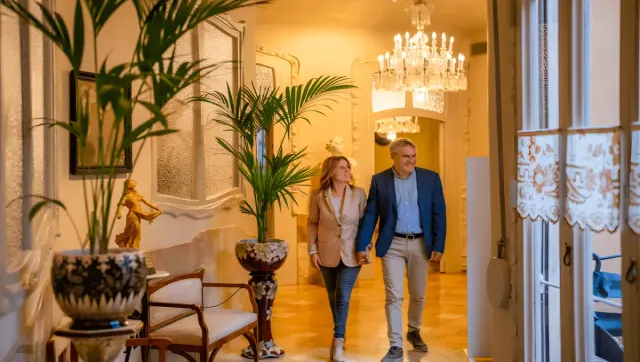
La Pedrera-Casa Milà Ticket with Rooftop & Audio Guide
Details -
 Experience
Barcelona
Palau de la Música Catalana Visit with Live Recital
Details -
 Experience
Barcelona
Moco Museum Barcelona: Banksy, Kusama & Modern Art in a Gothic Palace
Details -
 Experience
Barcelona
Barcelona Zoo Entry Ticket in Parc de la Ciutadella
Details -

All activities
Every ticket, tour and city pass in one place.
See all →
Weather
Weather in Barcelona
Barcelona · Now 02:16
11°
Partly cloudy
High 18° / Low 11°
- Wind
- 11 km/h
- Humidity
- %90
- Sunrise
- 07:46
- Sunset
- 17:27
Barcelona · Sunday, 22 November
18°
Clear
High 18° / Low 13°
- Wind
- 39 km/h
- Rain
- 0 mm
- Sunrise
- 07:48
- Sunset
- 17:26
Barcelona · Monday, 23 November
15°
Mostly sunny
High 15° / Low 10°
- Wind
- 24 km/h
- Rain
- 0 mm
- Sunrise
- 07:49
- Sunset
- 17:26
Barcelona · Tuesday, 24 November
15°
Cloudy
High 15° / Low 8°
- Wind
- 8 km/h
- Rain
- 2,1 mm
- Sunrise
- 07:50
- Sunset
- 17:25
Barcelona · Wednesday, 25 November
15°
Clear
High 15° / Low 13°
- Wind
- 17 km/h
- Rain
- 8 mm
- Sunrise
- 07:51
- Sunset
- 17:25
Barcelona · Thursday, 26 November
12°
Cloudy
High 12° / Low 9°
- Wind
- 12 km/h
- Rain
- 1,6 mm
- Sunrise
- 07:52
- Sunset
- 17:24
Barcelona · Friday, 27 November
12°
Clear
High 12° / Low 6°
- Wind
- 11 km/h
- Rain
- 0 mm
- Sunrise
- 07:53
- Sunset
- 17:24
7-day forecast
What to wear today?
- No rain expected You can leave the umbrella at home.
- Evenings are cool Bring a light jacket.
What to wear on Sunday?
- No rain expected You can leave the umbrella at home.
- It’s windy A windproof jacket helps, and hold on to your hat.
- Evenings are cool Bring a light jacket.
What to wear on Monday?
- No rain expected You can leave the umbrella at home.
- Evenings are cool Bring a light jacket.
What to wear on Tuesday?
- Rain is expected Don’t forget an umbrella or a rain jacket.
- Evenings are cool Bring a light jacket.
What to wear on Wednesday?
- Rain is expected Don’t forget an umbrella or a rain jacket.
- Evenings are cool Bring a light jacket.
What to wear on Thursday?
- Rain is expected Don’t forget an umbrella or a rain jacket.
- Evenings are cool Bring a light jacket.
What to wear on Friday?
- No rain expected You can leave the umbrella at home.
- Evenings are cool Bring a light jacket.
Updated at 00:21 · Source: MET Norway
Local time
Time in Barcelona
02:1638
Saturday, 21 November
Europe/Madrid · UTC+1
Your time
- Sunrise
- 07:46
- Sunset
- 17:27
- UTC offset
- UTC+1 · CET
- Daylight saving
- 28 Mar → UTC+2
Best time to call:
From the journal
Guides for Barcelona
Practical, honest guides that help you decide what to see and how to see it.
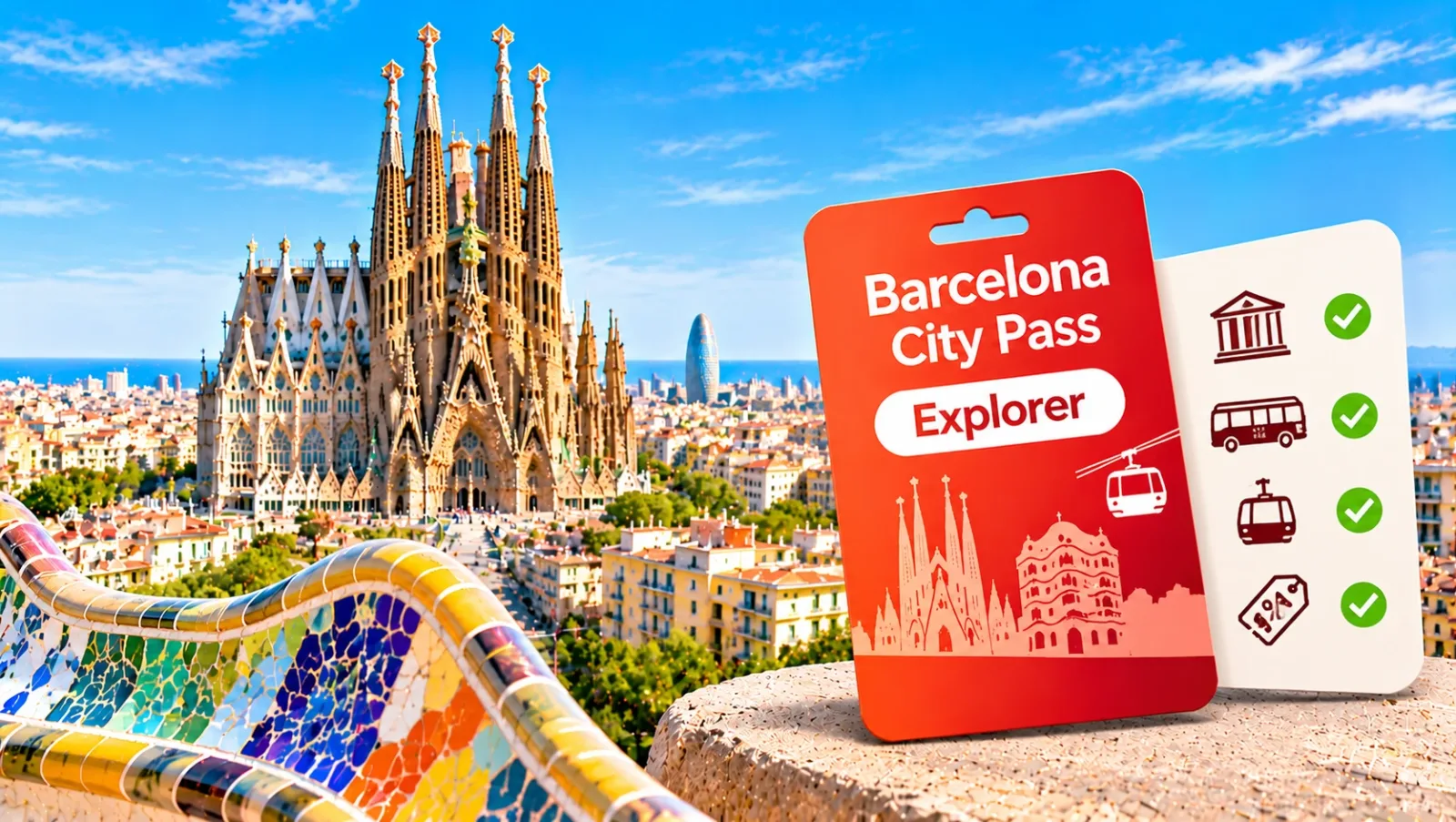
Barcelona City Pass Explorer: What's Included and Is It Worth It?
The Barcelona City Pass Explorer combines Park Güell, La Pedrera, a city audio walk, mobile data and a harbour cruise. Here is what you get, how booking works and who it suits.
Read the guide 2 min
Las Vegas Grand Prix 2026: Visiting Las Vegas During F1 Race Week
Formula 1 returns to the Las Vegas Strip on 19–21 November 2026, with the race on Saturday night. Here is what changes in the city during race week and how to plan a visit.
Read the guide →
 3 min
GTA 6 Is Here: The Real Florida Places Behind Vice City and Leonida
Grand Theft Auto VI is rolling out worldwide on 19 November 2026. Its fictional state of Leonida is based on Florida, so here are the real places that inspired the map and how to visit them.
Read the guide →
New guides in your inbox
We only write when there is something worth reading.
FAQ
Questions, answered.
Quick answers to what travelers ask us most.
 Still have a question?
Write to us; we usually reply within a day.
-
Istanbul Airport (IST) is located outside the central districts. You can reach the city by Havaist airport shuttles, metro, taxi or private transfer. The best option depends on your destination, budget and arrival time.
-
Yes. Barcelona combines Gaudí's world-famous architecture, a medieval old town, a city beach, great food and easy day trips, all in a compact, walkable city.
-
Istanbul offers an extensive public transportation network, including metro lines, trams, buses, ferries and funiculars. Public transportation is often the most convenient way to explore the city, especially during busy traffic hours.
-
The Sagrada Família, Park Güell, Casa Batlló, Casa Milà (La Pedrera), the Gothic Quarter and Cathedral, El Born and the Picasso Museum, La Rambla and La Boqueria, Montjuïc and Barceloneta beach.
-
You can purchase an Istanbulkart from designated vending machines and sales points at metro stations, airports and other transportation hubs. The card can be topped up and used on most public transportation services throughout Istanbul.
-
Three to four days is ideal for the Gaudí sights, the old town, Montjuïc and some beach time. Add a day if you want a trip to Montserrat or Girona.
-
You can travel between the two continents using ferries, Marmaray, metro connections and buses. Ferries are particularly enjoyable for visitors who want to experience the Bosphorus and see the city from the water.
-
May–June and September–October offer warm weather, a swimmable sea and fewer crowds than in July and August. Winter is mild and quieter, with lower prices.
-
Three to five days is a good amount of time to explore Istanbul's main attractions. This allows you to visit Sultanahmet, discover different neighborhoods, enjoy a Bosphorus cruise and experience both sides of the city without rushing.
-
Yes. It is one of the most visited monuments in Spain, and timed tickets often sell out. Book online before you travel, especially in spring and summer.
-
Booking tickets in advance can help you avoid queues and secure your preferred visiting times, especially during peak tourist seasons. Check the official ticket information for attractions such as Topkapi Palace, Basilica Cistern and other popular landmarks.
-
The Monumental Zone, with the mosaic terrace and dragon staircase, needs a timed ticket. The rest of the park can be visited as a regular park.
-
Visitors should dress respectfully when entering mosques. Shoulders and knees should generally be covered, and women may be asked to cover their hair. Headscarves and other coverings may be available at some mosque entrances.
-
The Aerobús goes directly to Plaça de Catalunya. You can also take the metro L9 Sud (airport ticket or Hola Barcelona card), the R2 Nord train from Terminal 2, or a taxi.
-
Popular departure points include Eminonu, Kabatas and Besiktas. Visitors can choose between public ferry journeys, short sightseeing cruises and longer Bosphorus tours. Compare departure locations and durations before choosing your experience.
-
The metro, buses, trams and local trains share the same tickets. The T-casual gives 10 journeys in zone 1, and the Hola Barcelona card gives unlimited travel for 2 to 5 days, including the airport metro.
-
Kadikoy and Moda are popular for cafés, food markets and seaside walks. Balat is known for its colorful streets and historic architecture, while Kuzguncuk offers a quieter atmosphere with traditional houses and neighborhood cafés.
-
Generally yes, but pickpocketing is common in crowded places such as La Rambla, the metro and the beach. Keep valuables close and never leave your phone on a table.
-
Credit and debit cards are widely accepted in hotels, restaurants, shopping malls and larger businesses. However, carrying some Turkish Lira in cash is useful for smaller shops, local markets and certain independent businesses.
-
Catalan and Spanish are both official. English is widely spoken in hotels, restaurants and tourist areas.
-
Yes. The city beaches, such as Barceloneta and the beaches towards Poblenou, are popular for swimming from late June to mid-September, when the sea is warmest.
-
Pa amb tomàquet, patatas bravas, bombas, jamón ibérico, seafood paella and fideuà, crema catalana and, in winter and spring, grilled calçots with romesco sauce.
-
Dinner usually starts from about 21:00, and lunch is between about 13:30 and 15:30. Restaurants serving dinner very early are often aimed at tourists.
-
Yes, tap water is safe to drink, although some people prefer the taste of bottled or filtered water.
-
The Gothic Quarter and El Born are best for walking to the sights, Eixample is practical and calmer, Gràcia feels local, and Barceloneta is ideal for the beach.
-
Most shops are closed on Sundays, except in some tourist areas and on certain dates. Museums and restaurants are usually open.
-
Montserrat for the mountain monastery, Girona for its medieval old town, Sitges for the beach, Figueres for the Dalí Theatre-Museum and Tarragona for Roman ruins.
-
Yes. A tourist tax is charged per night on top of your accommodation, and Barcelona's city surcharge is set to rise in April 2027. Check whether your booking price includes it.
-
Cover your shoulders and knees when visiting the Sagrada Família, the Cathedral and other churches, and avoid beachwear.
-
Only on the beach and the seafront. Local bylaws prohibit walking around in swimwear or shirtless elsewhere in the city, and you can be fined.
TRAVEL EXPERIENCES, REAL STORIES
Every journey has a story to tell.
The best travel insights come from those who have been there. Explore traveler feedback and discover how TripSpoiler helps people find remarkable places, compare experiences and plan their journeys with confidence.
Write a Review
Your experience helps other travelers plan better.
Thank you!
Your review was sent. It will appear on the site once approved.