YOUR NEXT DESTINATION
Athens Greece Athens travel guide: ancient wonders, modern life
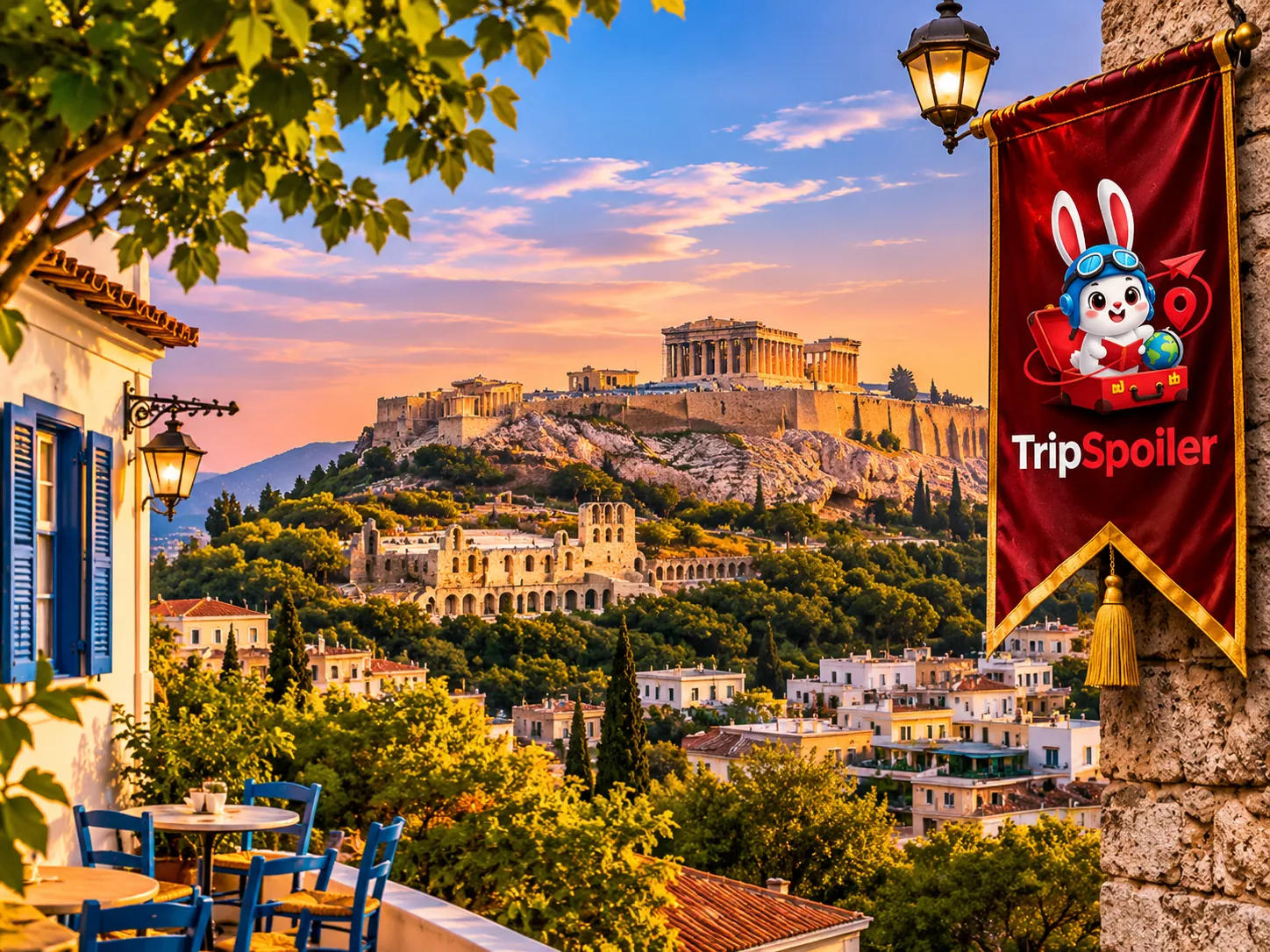
Athens is where Western civilisation began, and you feel it at every turn: the Parthenon glows above the rooftops, ancient ruins sit beside busy cafés and every neighbourhood has a story. Discover the best things to do, where to eat and stay, how to get around and the local tips that help you experience Athens like you belong.
Choose a city · 2 cities
Things to see
01 / 10
Athens Uncovered: Ancient Landmarks, Living Neighbourhoods and Unforgettable Views
3 min read
Few cities on earth carry as much history as Athens. This is the birthplace of democracy, philosophy and theatre, and its ancient monuments still rise above a lively, modern capital. Yet Athens is not a museum: between the ruins you will find buzzing squares, street art, rooftop bars and some of the best food in the Mediterranean.
Here are the places that should be at the top of your list.
The Acropolis and the Parthenon
The Acropolis is the symbol of Athens and one of the most important ancient sites in the world. Crowning the rocky hill is the Parthenon, the great temple to Athena built in the 5th century BC. Around it stand the Erechtheion with its famous Caryatids, the elegant Temple of Athena Nike and the monumental Propylaea gateway.
Go as early as possible or in the late afternoon to avoid the heat and the biggest crowds. Booking a timed ticket in advance is strongly recommended, especially in high season. Wear shoes with good grip: the ancient marble paths can be slippery.
The Acropolis Museum
At the foot of the hill, the modern Acropolis Museum displays the original sculptures and treasures found on the Acropolis. Glass floors reveal an excavated ancient neighbourhood beneath your feet, and the top-floor Parthenon Gallery lets you see the temple's sculptures with the real Parthenon visible through the windows. Visiting the museum before or after the Acropolis brings the site to life.
The Ancient Agora
The Ancient Agora was the heart of public life in ancient Athens, where citizens met, traded and debated, and where Socrates once walked. Today it is a peaceful archaeological park with the beautifully preserved Temple of Hephaestus and the reconstructed Stoa of Attalos, which houses a small museum.
Plaka and Anafiotika
Plaka, the old neighbourhood beneath the Acropolis, is a maze of narrow streets, neoclassical houses, small churches and tavernas. Hidden above it is Anafiotika, a tiny village of whitewashed houses and bougainvillea that feels like a Cycladic island in the middle of the city.
Monastiraki and Psyrri
Monastiraki Square is one of the liveliest spots in Athens, with views up to the Acropolis, a busy flea market and endless street food. Neighbouring Psyrri is full of street art, bars and small restaurants and comes alive at night.
Syntagma Square and the Changing of the Guard
Syntagma Square faces the Hellenic Parliament. In front of it, the Evzones, the presidential guards in their traditional uniforms, perform the changing of the guard at the Tomb of the Unknown Soldier. The ceremony takes place every hour, with a larger ceremony on Sunday mornings. The National Garden next door offers welcome shade.
More Ancient Highlights
- Temple of Olympian Zeus: Once one of the largest temples in the ancient world, with giant columns still standing.
- Panathenaic Stadium: The marble stadium that hosted the first modern Olympic Games in 1896.
- Roman Agora and the Tower of the Winds: A compact site with an ancient weather station and clock.
- National Archaeological Museum: One of the world's great museums of ancient Greek art.
The Best Views in Athens
For sunset, climb Lycabettus Hill, the highest point in central Athens, on foot or by funicular. Filopappou Hill and the Areopagus rock offer superb views of the Acropolis itself. And many rooftop bars around Monastiraki and Plaka look straight at the Parthenon as it lights up at night.
Discover Athens with TripSpoiler
From skip-the-line tickets to guided tours of the Acropolis, TripSpoiler helps you plan your visit and make the most of every hour in this extraordinary city.
Food & drink
02 / 10
Athens at the Table: Tavernas, Street Food and the Flavours of Greece
2 min read
Eating in Athens is one of the great pleasures of a visit. Greek food is simple, fresh and generous, built on olive oil, vegetables, herbs, grilled meat and seafood. Meals are long and social, and the best ones often happen in a small family taverna on a quiet street.
Dishes You Have to Try
- Souvlaki and gyros: Grilled meat skewers or sliced meat from the spit, wrapped in pita with tomato, onion and tzatziki. The ultimate Athenian street food.
- Moussaka: Layers of aubergine, spiced minced meat and creamy béchamel, baked until golden.
- Greek salad (horiatiki): Tomatoes, cucumber, onion, olives and a thick slice of feta with olive oil. No lettuce.
- Spanakopita: Crispy filo pie filled with spinach and feta, perfect for breakfast or a snack.
- Meze plates: Tzatziki, fava (yellow split pea purée), dolmades (stuffed vine leaves), grilled octopus and keftedes (meatballs).
- Fresh fish and seafood: Especially in the coastal suburbs and around Piraeus.
- Loukoumades: Small fried dough balls drizzled with honey and cinnamon.
- Koulouri: The sesame bread ring sold from street carts every morning.
What to Drink
- Freddo espresso and freddo cappuccino: The iced coffees Athenians drink all year round.
- Greek coffee: Strong, served in a small cup with the grounds at the bottom.
- Ouzo and tsipouro: Anise-flavoured spirits served with small plates of meze.
- Greek wine: Try local grapes such as Assyrtiko and Agiorgitiko.
Where to Eat
Tavernas
The classic Greek restaurant: home-style dishes, grilled meat, salads and house wine. Look for places full of Greek families.
Mezedopoleia and ouzeries
Relaxed places for sharing small plates with ouzo or tsipouro, ideal for a long evening with friends.
Souvlaki shops
Quick, affordable and delicious. Monastiraki is famous for them, but every neighbourhood has a local favourite.
The Central Market
The Varvakios Central Market on Athinas Street is a loud, colourful meat, fish and produce market where locals do their shopping. Around it are spice shops, delis and simple restaurants serving traditional dishes to market workers.
Best Food Neighbourhoods
- Psyrri and Monastiraki: Street food, tavernas and lively evenings.
- Koukaki: Relaxed local restaurants close to the Acropolis.
- Exarchia and Kypseli: Affordable, authentic and popular with students.
- Kolonaki: Stylish cafés and upmarket restaurants.
Tips for Eating Like a Local
- Athenians eat late: lunch around 2 pm and dinner from 9 pm.
- Share several dishes rather than ordering one each.
- Avoid restaurants with touts and picture menus on the busiest streets of Plaka.
- Fish is often priced by weight, so ask before ordering.
- A food tour is a great way to discover places you would never find alone.
Where to stay
03 / 10
Finding Your Place in Athens: The Best Neighbourhoods to Stay
2 min read
Central Athens is compact, and most of the main sights are within walking distance of each other. Choosing the right neighbourhood still makes a big difference to your trip: some areas are perfect for sightseeing, others for food, nightlife or a quieter, local feel.
Plaka: Best for First-Time Visitors
Plaka sits directly beneath the Acropolis, with pedestrian streets, old houses and tavernas.
- Pros: Walk to the Acropolis, the Ancient Agora and Syntagma. Charming and safe.
- Cons: Touristy, and prices are higher than in other areas.
- Best for: Short trips, couples and first-time visitors.
Koukaki and Makrygianni: Best All-Rounder
South of the Acropolis and next to the Acropolis Museum, Koukaki is a relaxed residential area with cafés and local restaurants.
- Pros: Close to the sights, more local than Plaka, good value and a metro station (Akropoli) nearby.
- Cons: Quieter at night.
- Best for: Travellers who want location and a neighbourhood feel.
Monastiraki and Psyrri: Best for Atmosphere and Nightlife
The busiest and liveliest part of the centre, with markets, street food, bars and rooftop views of the Acropolis.
- Pros: Central, energetic and excellent transport links, including the metro to the airport and Piraeus.
- Cons: Can be noisy and crowded, and some streets feel gritty late at night.
- Best for: Younger travellers and nightlife lovers.
Syntagma: Best for Convenience
Athens' central square is the city's main transport hub.
- Pros: Direct metro and bus connections to the airport, large hotels and easy access to everything.
- Cons: Busy, with less neighbourhood character.
- Best for: Short stays, business travellers and early flights.
Kolonaki: Best for Style
An elegant area on the slopes of Lycabettus Hill, known for boutiques, galleries and chic cafés.
- Pros: Upmarket, safe and quiet, with great cafés and restaurants.
- Cons: More expensive, and a short uphill walk from the main sights.
- Best for: Couples and travellers who love shopping and design.
Quick Comparison
- First visit, 2-3 days: Plaka or Koukaki.
- Nightlife: Psyrri or Monastiraki.
- Airport convenience: Syntagma.
- Quiet and stylish: Kolonaki.
Tips for Choosing Your Hotel
- Check how far it is to a metro station, especially if you arrive with luggage.
- Look for a room with air conditioning if you travel between June and September.
- A rooftop terrace with an Acropolis view is a real bonus in Athens.
- Read recent reviews about street noise in central areas.
Getting around
04 / 10
Getting Around Athens: Metro, Trams, Buses and Walking the City
3 min read
Athens is an easy city to get around. The historic centre is compact enough to explore on foot, and a modern, clean metro connects the centre with the airport, the port of Piraeus and the suburbs.
Walking: The Best Way to See the Centre
Most of the main sights, including the Acropolis, Plaka, Monastiraki, the Ancient Agora and Syntagma, are within walking distance of each other. A pedestrian promenade (Dionysiou Areopagitou and Apostolou Pavlou streets) curves around the foot of the Acropolis and is one of the most beautiful walks in Europe.
The Metro
The Athens metro has three lines, and many stations display archaeological finds discovered during construction.
- Line 1 (green): Runs from the port of Piraeus through Monastiraki and Omonia to the northern suburbs.
- Line 2 (red): Crosses the centre via Syntagma and Akropoli, the stop for the Acropolis Museum and Koukaki.
- Line 3 (blue): Connects Syntagma and Monastiraki with the airport and the port area.
Key central stations are Syntagma, Monastiraki, Akropoli and Omonia.
Tickets
Public transport in Athens uses a single integrated ticket system for the metro, trams, buses and trolleys. You can buy tickets and reloadable cards from machines and ticket offices in metro stations, and contactless payment is increasingly accepted at the validators. Tickets for the airport cost more than standard journeys. Always validate your ticket before boarding: inspectors check regularly, and fines apply.
Fares and ticket options change from time to time, so check the current information when you arrive.
Trams
The tram runs from Syntagma south to the coast, along the Athens Riviera to areas such as Palaio Faliro and Glyfada. It is slower than the metro but a pleasant way to reach the seaside on a summer day.
Buses and Trolleys
Buses and electric trolleys cover the areas the metro does not reach. They are useful for short hops, but routes can be confusing for visitors, and traffic slows them down. A navigation app makes planning much easier.
Taxis
Athens taxis are yellow and widely available. Make sure the meter is running, or use a ride-hailing app that calls licensed taxis. Taxis are a good option late at night, with luggage, or for reaching hilltop viewpoints.
Getting to Piraeus
Piraeus, the main port for ferries to the Greek islands, is easy to reach on metro Line 1 from Monastiraki or Omonia. Allow extra time: the port is large, and ferry gates can be a long walk from the metro station.
Practical Tips
- Avoid rush hour on the metro if you have luggage.
- Keep an eye on your belongings on crowded trains, especially on Line 1 around Monastiraki.
- Wear comfortable shoes: the centre is hilly, and the marble pavements can be slippery.
- In summer, walk in the morning and evening and use the metro in the midday heat.
From the airport
05 / 10
Arriving in Athens: Airport Transfers and How to Reach the City Centre
2 min read
Athens International Airport (Eleftherios Venizelos) lies about 30 kilometres east of the city centre. It is well connected, and you have several good options to reach your hotel.
Metro
Metro Line 3 (blue) runs from the airport directly to central stations including Syntagma and Monastiraki. The journey takes roughly 40 minutes, and it avoids road traffic completely. Airport tickets cost more than standard metro tickets, and you can buy them from machines and ticket offices at the airport station. Not every train runs all the way to the airport, so check the destination on the platform display.
Express Buses
Express airport buses run to key points in the city, including Syntagma Square and the port of Piraeus. They operate around the clock, which makes them useful for late-night and very early arrivals. Travel time depends on traffic.
Suburban Railway
The suburban railway (Proastiakos) also serves the airport and connects with the metro and other destinations in the wider Athens area.
Taxi
Official taxis wait outside the arrivals hall. Taxis from the airport to the city centre usually charge a fixed fare, with a different rate at night. Check the current fare before you set off, and use only the official taxi rank.
Private Transfer
A pre-booked private transfer is the most relaxed option, especially for families, groups, late-night arrivals and first-time visitors. A driver meets you in arrivals with a name sign, helps with luggage and drives you straight to your hotel.
Arriving From the Port of Piraeus
If you arrive by ferry from the islands, metro Line 1 connects Piraeus with Monastiraki and Omonia in the centre. Taxis are also available at the port.
Which Option Is Best?
- Budget and light luggage: Metro or express bus.
- Late-night arrival: Express bus, taxi or private transfer.
- Family or group: Private transfer or taxi.
- Staying near Syntagma or Monastiraki: Metro Line 3 is direct and easy.
Tips for Arrival Day
- Have your hotel address saved on your phone.
- Buy a metro ticket that covers the airport journey, not a standard ticket.
- Check the latest timetables and fares before you fly, as they can change.
When to go
06 / 10
Athens Through the Seasons: When to Visit and What to Expect
2 min read
Athens enjoys a sunny Mediterranean climate and can be visited all year round. But the season you choose has a big impact on the heat, the crowds and how comfortable it is to climb the Acropolis.
Spring (March to May): The Best Time
Spring is ideal. The days are warm and sunny, wildflowers cover the archaeological sites, and the crowds are still manageable.
- Weather: Mild to warm, with occasional showers in March and April.
- Good for: Sightseeing, long walks and day trips.
- Note: Greek Orthodox Easter is the biggest celebration of the year. It is a wonderful time to experience local traditions, but some sites and shops have special opening hours.
Summer (June to August): Hot and Busy
Summer is peak season. Days are long and the evenings are magical, but temperatures in July and August are often very high, and heatwaves are common.
- Weather: Hot and dry.
- Crowds: The busiest time at the Acropolis and in Plaka.
- Good for: Rooftop bars, open-air cinemas, island trips and beaches on the Athens Riviera.
- Tip: Visit the Acropolis at opening time. During extreme heat, archaeological sites may close in the middle of the day.
Autumn (September to November): Warm and Relaxed
September and October are excellent months. The sea is still warm, the summer crowds fade and the light is beautiful. November is cooler and wetter.
- Weather: Warm in September, mild in October.
- Good for: Sightseeing, food and combining Athens with an island.
Winter (December to February): Quiet and Authentic
Winter is mild compared with northern Europe, though it can be rainy and chilly. It is the quietest season, with short lines at the sights and lower hotel prices.
- Good for: Museums, food, local life and budget travel.
- Note: Many island ferries run reduced schedules, and some sites have shorter winter hours.
So, When Should You Go?
- Best overall: April to early June and September to October.
- Fewest crowds and lowest prices: November to March.
- Beach and islands: June to September.
Whatever the season, start your days early, carry water and book the Acropolis in advance.
Itineraries
07 / 10
Athens in 1, 2 or 3 Days: The Ultimate City Itinerary
2 min read
Athens rewards even a short visit. The centre is compact, so with a good plan you can see the great ancient sites, eat very well and still have time to enjoy the city's atmosphere.
Athens in 1 Day
Morning
Start at the Acropolis at opening time, before the heat and the crowds. Then walk down to the Acropolis Museum to see the original sculptures.
Afternoon
Lunch in Koukaki or Plaka, then wander through the streets of Plaka and the hidden village of Anafiotika. Continue to the Ancient Agora and the Temple of Hephaestus.
Evening
Walk to Monastiraki for souvlaki and sunset from a rooftop bar facing the illuminated Parthenon.
Athens in 2 Days
Follow the 1-day plan, then add:
Day 2 morning
Watch the changing of the guard at Syntagma Square, stroll through the National Garden and visit the Panathenaic Stadium and the Temple of Olympian Zeus.
Day 2 afternoon
Explore the National Archaeological Museum, home to some of the finest ancient Greek art in the world, or shop in Kolonaki and along Ermou Street.
Day 2 evening
Climb Lycabettus Hill for sunset over the whole city, then have dinner in Psyrri.
Athens in 3 Days
With a third day, leave the city for a classic day trip:
- Cape Sounion: Watch the sunset at the Temple of Poseidon on the cliffs above the Aegean.
- Delphi: Visit the ancient sanctuary of Apollo in the mountains.
- A Saronic island: Take a ferry from Piraeus to Aegina or Hydra for a taste of island life.
Alternatively, stay in Athens and explore the Central Market, the street art of Psyrri and the coastline of the Athens Riviera.
Tips for Your Itinerary
- Book Acropolis tickets in advance and choose an early time slot.
- A combined ticket can cover several archaeological sites in the centre; check what is included before you buy.
- Do not over-plan: part of the charm of Athens is sitting in a square with a freddo espresso and watching city life.
- In summer, plan indoor museums for the hottest hours of the day.
Day trips
08 / 10
Beyond Athens: Ancient Sanctuaries, Island Escapes and Coastal Day Trips
2 min read
Athens is the perfect base for exploring some of Greece's most famous sites. Within a few hours you can stand in ancient sanctuaries, sail to an island or watch the sunset over the Aegean.
Cape Sounion and the Temple of Poseidon
About 70 kilometres south of Athens, the Temple of Poseidon stands on a cliff above the sea. The coastal drive along the Athens Riviera is beautiful, and sunset here is one of the most memorable sights in Greece. It is an easy half-day trip.
Delphi
In ancient times, Delphi was considered the centre of the world and the home of the famous oracle of Apollo. The archaeological site, set on the slopes of Mount Parnassus, and its excellent museum are UNESCO World Heritage treasures. The journey takes around two and a half to three hours each way, so it is a full day.
The Saronic Islands
Ferries from Piraeus reach several islands close to Athens:
- Aegina: The closest, known for its pistachios and the Temple of Aphaia.
- Hydra: A car-free island with a beautiful stone harbour town, beloved by artists.
- Poros: A green, relaxed island with a pretty waterfront.
Organised day cruises can visit several islands in one day.
The Argolid: Mycenae, Epidaurus and Nafplio
West of Athens, the Peloponnese holds some of Greece's greatest ancient sites: the fortress of Mycenae, the remarkable ancient theatre of Epidaurus, and the charming seaside town of Nafplio. On the way, many tours stop at the dramatic Corinth Canal.
Meteora
The monasteries of Meteora, built on top of giant rock pillars, are one of the most spectacular sights in Greece. They are far from Athens, so a long day trip or an overnight stay is needed.
The Athens Riviera
For a relaxed day by the sea, head south along the coast to areas such as Glyfada and Vouliagmeni, with beaches, seaside cafés and the natural thermal waters of Lake Vouliagmeni.
Tips for Day Trips
- Guided tours save you the planning and explain the history of each site.
- Start early, especially in summer.
- Check ferry schedules, which change between seasons.
- Bring a hat, sunscreen and water for open-air archaeological sites.
Shopping & markets
09 / 10
Shopping in Athens: Flea Markets, Local Products and Stylish Boutiques
2 min read
Shopping in Athens ranges from bustling flea markets and traditional workshops to high-street brands and elegant designer boutiques. It is also a great place to buy Greek food products and handmade souvenirs.
Monastiraki Flea Market
The streets around Monastiraki Square are packed with small shops selling antiques, vintage items, jewellery, leather goods and souvenirs. On Sundays, the area around Avissynias Square turns into a lively flea market. Bargaining is common for second-hand items.
Ermou Street
Ermou Street, running from Syntagma to Monastiraki, is Athens' main pedestrian shopping street, with international brands and department stores. Look out for the small Byzantine church of Panagia Kapnikarea standing right in the middle of the street.
Plaka
Plaka is full of souvenir shops, but also small galleries, jewellery workshops and stores selling ceramics, icons and natural cosmetics. Compare prices before buying.
Kolonaki
The elegant Kolonaki neighbourhood is the place for Greek designers, fashion boutiques, bookshops and art galleries.
The Central Market and Food Shops
Around the Varvakios Central Market on Athinas Street, traditional shops sell spices, herbs, olives, cheeses, nuts and dried fruits at local prices. It is the best area for edible souvenirs.
What to Buy
- Olive oil and olives: Look for quality extra virgin olive oil from Crete or the Peloponnese.
- Honey: Thyme honey is a Greek speciality.
- Mastiha: A unique resin from the island of Chios, used in sweets, liqueur and cosmetics.
- Herbs and teas: Greek mountain tea, oregano and saffron.
- Leather sandals: Handmade sandals are a classic Athens purchase.
- Komboloi: Traditional Greek worry beads.
- Ceramics and jewellery: Many designs are inspired by ancient Greek art.
- Natural cosmetics: Olive oil soaps and skincare.
Shopping Tips
- Many shops close on Sundays, except in the tourist areas around Plaka and Monastiraki.
- Some smaller shops close in the afternoon on certain weekdays, so check opening hours.
- Ask for vacuum packing for food products you are taking home.
- Check your airline's rules before packing olive oil or honey in your luggage.
Practical tips
10 / 10
Before You Explore Athens: Essential Travel Tips and Local Customs
2 min read
A little preparation helps you enjoy Athens to the full. Here are the practical things worth knowing before you go.
Money and Payments
- Greece uses the euro.
- Cards are widely accepted, but carry some cash for small tavernas, kiosks and markets.
- Tipping is appreciated but not mandatory: leaving around 5 to 10 percent or rounding up the bill in restaurants is common.
Visiting the Archaeological Sites
- Book the Acropolis in advance and choose an early time slot.
- Bring water, a hat and sunscreen: there is little shade on the sites.
- Wear shoes with good grip, as the ancient marble is slippery.
- Large bags may not be allowed inside some sites and museums.
- Do not touch or climb on the monuments.
Churches and Monasteries
Greek Orthodox churches are active places of worship. Dress modestly, covering shoulders and knees, and keep your voice low. Some monasteries outside Athens have stricter dress codes.
Safety
Athens is generally safe for visitors. As in any big city, watch out for pickpockets, especially on metro Line 1, around Monastiraki and in crowded markets. Stay in busy, well-lit areas at night, and use licensed taxis or apps.
Local Rhythm
- Athenians eat late: dinner often starts after 9 pm.
- Many shops are closed on Sundays outside the tourist centre.
- The afternoon is quieter, especially in summer.
Health and Heat
- Tap water in Athens is generally safe to drink.
- In summer, avoid sightseeing in the midday heat and drink plenty of water.
- Pharmacies, marked with a green cross, are easy to find and helpful for minor problems.
- The European emergency number 112 works in Greece.
Language
Greek is the official language, but English is widely spoken in hotels, restaurants and shops. Learning a couple of words is always appreciated: kalimera (good morning), efharisto (thank you) and yassas (hello).
Explore Athens with TripSpoiler
From the Acropolis to island cruises and day trips to Delphi, TripSpoiler helps you find trusted tours and tickets so you can spend less time planning and more time discovering Athens.
Weather
Weather in Athens
Athens · Now 01:58
15°
Partly cloudy
High 21° / Low 14°
- Wind
- 8 km/h
- Humidity
- %92
- Sunrise
- 07:07
- Sunset
- 17:12
Athens · Wednesday, 18 November
20°
Partly cloudy
High 20° / Low 14°
- Wind
- 26 km/h
- Rain
- 0 mm
- Sunrise
- 07:08
- Sunset
- 17:11
Athens · Thursday, 19 November
24°
Mostly sunny
High 24° / Low 15°
- Wind
- 27 km/h
- Rain
- 0 mm
- Sunrise
- 07:09
- Sunset
- 17:10
Athens · Friday, 20 November
22°
Partly cloudy
High 22° / Low 16°
- Wind
- 10 km/h
- Rain
- 0 mm
- Sunrise
- 07:10
- Sunset
- 17:10
Athens · Saturday, 21 November
22°
Clear
High 22° / Low 13°
- Wind
- 9 km/h
- Rain
- 0 mm
- Sunrise
- 07:12
- Sunset
- 17:09
Athens · Sunday, 22 November
21°
Mostly sunny
High 21° / Low 10°
- Wind
- 9 km/h
- Rain
- 0 mm
- Sunrise
- 07:13
- Sunset
- 17:09
Athens · Monday, 23 November
19°
Clear
High 19° / Low 11°
- Wind
- 9 km/h
- Rain
- 0 mm
- Sunrise
- 07:14
- Sunset
- 17:08
7-day forecast
What to wear today?
- No rain expected You can leave the umbrella at home.
- Evenings are cool Bring a light jacket.
What to wear on Wednesday?
- No rain expected You can leave the umbrella at home.
- Evenings are cool Bring a light jacket.
What to wear on Thursday?
- No rain expected You can leave the umbrella at home.
- It’s mild A T-shirt is fine, take a light layer for the evening.
What to wear on Friday?
- No rain expected You can leave the umbrella at home.
- It’s mild A T-shirt is fine, take a light layer for the evening.
What to wear on Saturday?
- No rain expected You can leave the umbrella at home.
- Evenings are cool Bring a light jacket.
What to wear on Sunday?
- No rain expected You can leave the umbrella at home.
- Evenings are cool Bring a light jacket.
What to wear on Monday?
- No rain expected You can leave the umbrella at home.
- Evenings are cool Bring a light jacket.
Updated at 01:21 · Source: MET Norway
Local time
Time in Athens
01:5835
Tuesday, 17 November
Europe/Athens · UTC+2
Your time
- Sunrise
- 07:07
- Sunset
- 17:12
- UTC offset
- UTC+2 · EET
- Daylight saving
- 28 Mar → UTC+3
Best time to call:
From the journal
Guides for Athens
Practical, honest guides that help you decide what to see and how to see it.
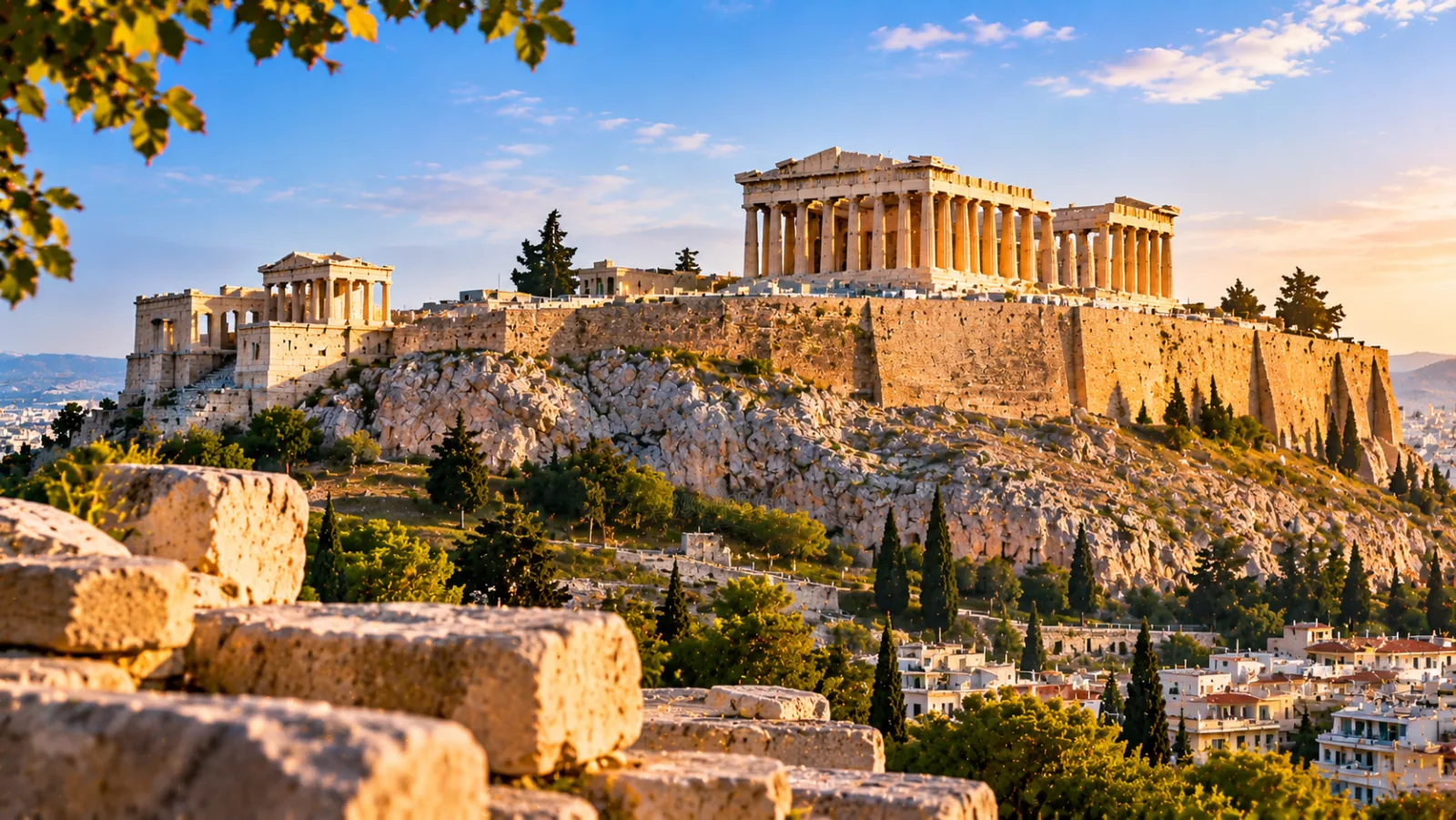
Acropolis Visitor Guide: Tickets, Best Time to Visit and Insider Tips
Everything you need to know before climbing the Acropolis: when to go, which entrance to use, what to see and how to avoid the heat and crowds.
Read the guide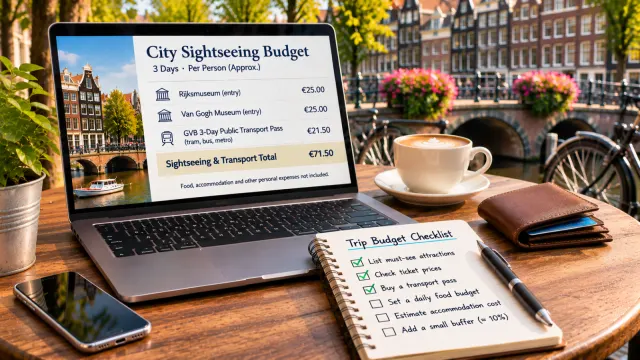 3 min
How to Budget for Sightseeing: A Simple Guide to Planning Travel Costs
Tickets, tours, transport and food add up quickly. Learn how to plan a realistic sightseeing budget, where travelers overspend and how to save money without missing the experiences that matter.
Read the guide →
 2 min
The Ultimate City Sightseeing Packing List
Packing for a city trip is different from packing for the beach. Here is a complete checklist of what to bring for long days of sightseeing, from comfortable shoes to the small items travelers often forget.
Read the guide →
New guides in your inbox
We only write when there is something worth reading.
FAQ
Questions, answered.
Quick answers to what travelers ask us most.
 Still have a question?
Write to us; we usually reply within a day.
-
Istanbul Airport (IST) is located outside the central districts. You can reach the city by Havaist airport shuttles, metro, taxi or private transfer. The best option depends on your destination, budget and arrival time.
-
Yes. Athens combines world-famous ancient sites like the Acropolis and the Parthenon with lively neighbourhoods, excellent food, rooftop views and easy access to the Greek islands. It is one of the best city breaks in Europe for history lovers and foodies alike.
-
Istanbul offers an extensive public transportation network, including metro lines, trams, buses, ferries and funiculars. Public transportation is often the most convenient way to explore the city, especially during busy traffic hours.
-
The top sights are the Acropolis and Parthenon, the Acropolis Museum, the Ancient Agora with the Temple of Hephaestus, the Temple of Olympian Zeus, the Panathenaic Stadium, the National Archaeological Museum, Plaka, Monastiraki and the view from Lycabettus Hill.
-
You can purchase an Istanbulkart from designated vending machines and sales points at metro stations, airports and other transportation hubs. The card can be topped up and used on most public transportation services throughout Istanbul.
-
Athens has three metro lines, trams, buses and trolleybuses that all use the same tickets. You can buy single tickets, 24-hour, 5-day or tourist tickets that include the airport, or simply tap a contactless bank card at the gates. The metro is the fastest way to reach the main sights.
-
You can travel between the two continents using ferries, Marmaray, metro connections and buses. Ferries are particularly enjoyable for visitors who want to experience the Bosphorus and see the city from the water.
-
Metro Line 1 (green line) runs from Piraeus to Monastiraki in about 25 minutes, and from there it is a short walk to Plaka and the Acropolis. Taxis are also available outside the port, and many cruise passengers choose a shore excursion that includes transfers.
-
Three to five days is a good amount of time to explore Istanbul's main attractions. This allows you to visit Sultanahmet, discover different neighborhoods, enjoy a Bosphorus cruise and experience both sides of the city without rushing.
-
Athens has a sunny Mediterranean climate. Summers (June to August) are hot and dry, often above 30°C, while winters are mild with some rain. Spring and autumn are warm and pleasant, which makes them ideal for walking around the ancient sites.
-
Booking tickets in advance can help you avoid queues and secure your preferred visiting times, especially during peak tourist seasons. Check the official ticket information for attractions such as Topkapi Palace, Basilica Cistern and other popular landmarks.
-
Visit outdoor sites early in the morning or late in the afternoon, carry water, wear a hat and comfortable shoes, and spend the hottest hours in museums or a shady café. During heatwaves some archaeological sites may close at midday, so check before you go.
-
Visitors should dress respectfully when entering mosques. Shoulders and knees should generally be covered, and women may be asked to cover their hair. Headscarves and other coverings may be available at some mosque entrances.
-
Yes, English is widely spoken in hotels, restaurants, shops and at tourist sites, and most signs are in both Greek and English. Learning a few words like "kalimera" (good morning) and "efharisto" (thank you) is always appreciated.
-
Popular departure points include Eminonu, Kabatas and Besiktas. Visitors can choose between public ferry journeys, short sightseeing cruises and longer Bosphorus tours. Compare departure locations and durations before choosing your experience.
-
Yes, tap water in Athens is safe to drink. Carrying a refillable bottle is a good idea, especially in summer, and you will find public drinking fountains at some sites and parks.
-
Kadikoy and Moda are popular for cafés, food markets and seaside walks. Balat is known for its colorful streets and historic architecture, while Kuzguncuk offers a quieter atmosphere with traditional houses and neighborhood cafés.
-
Greece is part of the Schengen Area. EU citizens only need an ID card, and many nationalities, including visitors from the UK, US, Canada and Australia, can stay visa-free for short trips. Always check the latest entry rules for your passport before you travel.
-
Credit and debit cards are widely accepted in hotels, restaurants, shopping malls and larger businesses. However, carrying some Turkish Lira in cash is useful for smaller shops, local markets and certain independent businesses.
-
Athens is good value compared to many Western European capitals. Street food like souvlaki and coffee are affordable, public transport is cheap, and mid-range hotels cost less than in Rome or Paris. Prices rise in peak summer, so booking tours and stays early helps.
-
Yes. The Athens Riviera along the southern coast has sandy beaches and beach clubs reachable by tram or bus, including Glyfada, Vouliagmeni and Varkiza. Lake Vouliagmeni, a natural thermal lake, is a popular spot for a relaxing swim.
-
Ermou Street is the main shopping street between Syntagma and Monastiraki. Monastiraki flea market is great for souvenirs and vintage finds, Plaka has traditional handicrafts, and Kolonaki is home to designer boutiques.
-
Psyrri and Monastiraki are packed with bars and rooftop terraces with Acropolis views, Gazi is known for clubs and late nights, and Exarchia has a more alternative scene. In summer, much of the party moves to the beach clubs of the Athens Riviera.
-
Yes, there is an elevator on the north side of the Acropolis for visitors with limited mobility, and paths on top have been improved. It may close in bad weather, so it is best to check on the day. The Acropolis Museum is fully accessible.
-
Dress modestly when entering Orthodox churches and monasteries: cover your shoulders and avoid very short shorts or skirts. Carrying a light scarf in summer makes it easy to visit churches during your sightseeing.
-
Yes, it is one of the greatest museums of ancient art in the world. Highlights include the golden Mask of Agamemnon, the bronze statue of Zeus or Poseidon from Artemision and the Antikythera Mechanism. Plan at least two to three hours.
-
Yes. With five or six hours you can visit the Acropolis, walk through Plaka and see Syntagma Square. A guided tour with skip-the-line tickets and transfers is the easiest way to make the most of a short stop without worrying about time.
-
Most archaeological sites and museums are open on Sundays, and restaurants, cafés and tourist shops in Plaka and Monastiraki stay open. Many regular shops and supermarkets outside the centre close on Sundays, so plan essential shopping for weekdays.
-
Taxis are yellow and relatively affordable. You can hail one on the street or use apps like FREENOW or Uber, which connect you with licensed taxis. Make sure the meter is running or agree on the fixed airport fare before the ride.
-
Yes. The Panathenaic Stadium is the only stadium in the world built entirely of marble and hosted the first modern Olympic Games in 1896. You can walk on the track, sit in the stands and see the Olympic torch exhibition, and it is an easy walk from Syntagma.
TRAVEL EXPERIENCES, REAL STORIES
Every journey has a story to tell.
The best travel insights come from those who have been there. Explore traveler feedback and discover how TripSpoiler helps people find remarkable places, compare experiences and plan their journeys with confidence.
Write a Review
Your experience helps other travelers plan better.
Thank you!
Your review was sent. It will appear on the site once approved.