YOUR NEXT DESTINATION
Prague Czechia Prague travel guide: castles, bridges and beer halls
Prague is a city of spires, cobbled lanes and river views, where Gothic churches, Baroque palaces and Art Nouveau cafés sit side by side. Cross Charles Bridge at sunrise, climb up to Prague Castle, get lost in the Old Town and end the day in a traditional beer hall. This guide helps you plan the best things to do in Prague, where to stay, how to get around and which day trips are worth it.

Prague at a glance
| Best time to visit | April–May and September–October for mild weather; late November–December for the Christmas markets |
|---|---|
| How many days | 3 days for the castle, the Old Town and the Lesser Town; add a day for Kutná Hora or Karlštejn |
| Airport to city centre | Václav Havel Airport Prague (PRG): city bus to metro line A or B, or the Airport Express bus to the main station |
| Getting around | Metro (3 lines), trams and buses on one ticket; 24- and 72-hour passes available |
| Currency | Czech koruna (CZK); cards are accepted almost everywhere |
| Language | Czech; English is widely spoken in the centre |
|---|---|
| Tipping | Not obligatory; round up or leave around 10% for good service |
| Plugs and voltage | Type E plugs (type F usually fits), 230 V |
| Emergency number | 112 |
Prices and times are approximate and can change. Check official sources before you travel.
Things to see
01 / 10
Best things to see in Prague
3 min read
Prague's historic centre is compact and best explored on foot. Most of the famous sights sit on two sides of the Vltava river: the Old Town and Jewish Quarter on the east bank, and the Lesser Town and Prague Castle on the hill to the west. With a little planning you can see the highlights in two or three days and still have time to wander.
Prague Castle
Often described as one of the largest castle complexes in the world, Prague Castle is not one building but a whole district of palaces, churches and courtyards. Don't miss St Vitus Cathedral with its stained-glass windows, the Old Royal Palace, St George's Basilica and the tiny houses of Golden Lane. The courtyards can be visited freely, while the main interiors need a ticket. Arrive early to beat the tour groups and watch the changing of the guard at the main gate.
Charles Bridge
This stone bridge, lined with Baroque statues, links the Old Town with the Lesser Town. By midday it is packed with visitors, artists and musicians, so come at sunrise for photos or late in the evening when the castle is lit up. The towers at both ends can be climbed for wide views over the river and rooftops.
Old Town Square and the Astronomical Clock
The heart of the Old Town is surrounded by pastel facades, the twin spires of the Church of Our Lady before Týn and the Old Town Hall. On the hall's tower you'll find the medieval Astronomical Clock, where small figures appear on the hour. You can also go up the tower for one of the best views of the square.
Josefov, the Jewish Quarter
Josefov holds a group of historic synagogues and the Old Jewish Cemetery, with layers of tombstones leaning against each other. The richly decorated Spanish Synagogue and the moving memorial walls of the Pinkas Synagogue are highlights. Most sites are covered by a combined ticket; check opening days before you go, as they close on Saturdays and Jewish holidays.
More places worth your time
- Lesser Town (Malá Strana): Baroque streets, St Nicholas Church, the Lennon Wall and quiet Kampa Island.
- Petřín Hill: gardens, an observation tower and great views; walk up or take the funicular.
- Strahov Monastery: famous for its ornate historic library halls.
- Vyšehrad: an old fortress with a peaceful cemetery, park paths and river views, far from the crowds.
- Wenceslas Square and the National Museum: the stage of many key moments in Czech history.
- Municipal House and the Dancing House: one Art Nouveau, one modern, both striking.
- Letná Park: a hilltop park with a beer garden and one of the classic views of the bridges.
Tip: a guided walking tour on your first day is a good way to understand the city's long and complicated history, from the Bohemian kings to the Velvet Revolution.
Food & drink
02 / 10
What to eat and drink in Prague
2 min read
Czech food is hearty, warming and made for cold winters and long evenings with friends. Expect plenty of meat, rich sauces, dumplings and, of course, excellent beer. In recent years Prague has also become a great city for cafés, bakeries, wine bars and modern bistros.
Classic Czech dishes
- Svíčková: beef in a creamy vegetable sauce, served with bread dumplings, cranberries and a spoon of whipped cream. Many locals call it the national dish.
- Vepřo knedlo zelo: roast pork with dumplings and sauerkraut.
- Guláš: the Czech take on goulash, thick and paprika-rich, often eaten with dumplings or in a bread bowl.
- Smažený sýr: breaded and fried cheese with tartar sauce, a pub favourite.
- Kulajda: a creamy dill and potato soup with mushrooms and a poached egg.
- Chlebíčky: small open sandwiches, perfect for a quick lunch or snack.
- Desserts: look for fruit dumplings, koláče pastries and apple strudel.
You'll see trdelník, a sweet spit-cake rolled in sugar, all over the Old Town. It is fun to try, but it is a tourist favourite rather than a traditional Czech dish.
Beer culture
Czechs are famous beer drinkers, and the pilsner style was born in the Czech lands. A traditional beer hall is a must: long wooden tables, fresh beer from the tank and simple, filling food. Don't be surprised if a waiter brings a new beer as soon as your glass is nearly empty; place a beer mat on top of your glass when you've had enough. Try a tankové pivo (unpasteurised tank beer) and, if you're curious, a mlíko, a glass poured almost entirely as creamy foam.
Where to eat
Restaurants right on Old Town Square and along the main tourist routes are often overpriced. Walk a few streets away, or head to neighbourhoods like Vinohrady, Karlín and Letná, where locals eat. Many restaurants offer a good-value lunch menu (denní menu) on weekdays. Always check the menu for prices before you sit down, and look at your bill: bread, nuts or side dishes placed on the table are sometimes charged.
Wine, coffee and markets
South Moravia produces good white wines, so look for Moravian bottles in wine bars. The café scene is strong, from grand old coffee houses to small speciality roasters. On weekends, the farmers' market on the Náplavka riverbank is a lively place for street food, local produce and a drink by the water.
Where to stay
03 / 10
Where to stay in Prague
2 min read
Prague's centre is small, and public transport is excellent, so you don't have to stay right next to the Astronomical Clock. Choose your area by the kind of trip you want: sightseeing on foot, quiet evenings, or bars and local life. Here are the best neighbourhoods for first-time visitors.
Old Town (Staré Město)
The classic choice. You'll be steps from Old Town Square, Charles Bridge and the Jewish Quarter, with countless restaurants and bars nearby. The downside is crowds and noise, especially in summer and at weekends, and higher prices. Ask for a room facing a courtyard if you are a light sleeper.
Lesser Town (Malá Strana)
Below Prague Castle, the Lesser Town is romantic and calmer in the evening once day-trippers leave. Baroque palaces, small gardens and river views make it perfect for couples. Streets are hilly and cobbled, so think about this if you travel with heavy luggage.
New Town (Nové Město)
Built around Wenceslas Square, the New Town is central, well connected by metro and tram, and offers a wide range of hotels in every budget. It's a practical base, with easy access to the main station. Some streets around Wenceslas Square get busy and loud at night.
Vinohrady
A leafy residential district with elegant apartment buildings, parks, cafés and wine bars. It feels local, it's only a few metro or tram stops from the centre, and it's a favourite with returning visitors who want to live like a Praguer.
Žižkov, Karlín and Holešovice
- Žižkov: known for its many pubs and the TV tower; lively, a bit rough around the edges and usually good value.
- Karlín: a revived riverside district with modern restaurants, brunch spots and calm streets.
- Holešovice: creative and arty, with galleries, a market hall area and quick tram links to the centre.
Tips for booking
- Book early for December (Christmas markets) and summer weekends.
- Check that the address is close to a metro or tram stop rather than relying on the word "centre".
- A city tourist tax is usually charged per person per night; check whether it is included in your price.
Getting around
04 / 10
Getting around Prague
2 min read
Prague has one of the best public transport networks in Europe. Metro, trams and buses run frequently, they're easy to use, and one ticket works on all of them. In the historic centre, though, walking is often the fastest and most enjoyable option.
Metro
The metro has three lines: A (green), B (yellow) and C (red). They meet at Můstek, Muzeum and Florenc, near the centre. Line A is handy for the Lesser Town (Malostranská) and the Old Town (Staroměstská), while line C serves the main railway station (Hlavní nádraží) and Vyšehrad. Some escalators are very long and fast, so hold on.
Trams
Trams are the most pleasant way to get around, and they reach places the metro doesn't, including the climb up to Prague Castle. Night trams run after the metro closes. Riding a tram through the Lesser Town and across the river is a mini sightseeing tour in itself.
Tickets
Tickets are sold by time, not by distance: shorter tickets for quick trips and longer ones that let you transfer freely. There are also 24-hour and 72-hour passes, which are great value if you plan to use transport a lot. You can buy tickets from machines at metro stations and some tram stops, in shops, or in the official public transport app, which is the easiest option.
- Validate paper tickets in the small yellow machines when you enter the metro area or board a tram or bus. Unvalidated tickets are not valid.
- Ticket inspectors check regularly and fines are given on the spot.
- Check current ticket types and prices before you go, as they change from time to time.
Taxis and ride-hailing
Ride-hailing apps are widely used and usually the simplest way to avoid taxi surprises. If you take a street taxi, use an official one from a marked stand, and confirm the price or make sure the meter is on before you set off.
Walking and cycling
Most sights between the Old Town and Prague Castle are within walking distance, but the walk up to the castle is steep. A good plan is to take a tram up the hill and walk back down through the Lesser Town. Wear comfortable shoes: cobblestones are beautiful but tiring. Shared bikes and scooters are available, but the hills, trams and cobbles make them better suited to the riverbanks and parks.
From the airport
05 / 10
Getting from Prague Airport to the city centre
2 min read
Prague's international airport is Václav Havel Airport Prague (PRG), about 15 km west of the city centre. There is no train or metro line directly to the terminals yet, but buses connect the airport with the metro, and the trip into town is simple and affordable.
City bus and metro
The cheapest option is to combine a city bus with the metro, using a regular public transport ticket. Buses from the airport connect with metro line A at Nádraží Veleslavín and with metro line B at Zličín. From there, the metro takes you into the centre in around 20 minutes. Buy a ticket that covers the full journey time, including the transfer, and validate it when you board the bus. Ticket machines are available in the arrivals halls, and you can also use the official public transport app.
Airport Express bus
The Airport Express (AE) bus runs between the airport and Prague main railway station (Hlavní nádraží). It's a good choice if you're staying near the station or continuing your journey by train. It uses a special fare rather than the standard city ticket, so check the current price and timetable before you travel.
Taxi, ride-hailing and transfers
Taxis wait outside the terminals, and there are official taxi partners at the airport. Ride-hailing apps also work here. The drive to the centre usually takes 25–40 minutes, depending on traffic. If you arrive late at night, with young children or with lots of luggage, a pre-booked private transfer is the most relaxed option: your driver meets you in arrivals and takes you straight to your hotel.
Arriving by train or bus
If you arrive from another European city by train, you'll most likely come into Hlavní nádraží, the main station, which is on metro line C and within walking distance of the New Town. Long-distance buses mainly use the Florenc bus station, served by metro lines B and C.
Tips
- Withdraw a small amount of Czech crowns at a bank ATM rather than at independent cash machines, which often charge high fees.
- When paying by card, choose to pay in CZK rather than in your home currency for a better rate.
- Times and routes can change, so check the airport's website or the transport app before you travel.
When to go
06 / 10
When is the best time to visit Prague?
2 min read
Prague is a year-round destination, and each season has its own charm. Your best time depends on whether you want mild weather, fewer crowds or festive markets.
Spring (April–May)
Spring is one of the loveliest times to visit. Parks and gardens come back to life, blossom covers Petřín Hill, and temperatures are pleasant for long walks. Crowds grow around Easter, when traditional Easter markets appear on the main squares. Bring layers, as days can still be cool and rainy.
Summer (June–August)
Summer brings long days, beer gardens, open-air concerts and evenings along the river. It's also the busiest and most expensive season, and the Old Town and Charles Bridge can feel very crowded. Days are usually warm, sometimes hot, with occasional thunderstorms. Start sightseeing early and use the afternoons for parks, river cruises or quieter neighbourhoods.
Autumn (September–October)
Many travellers think autumn is the sweet spot. The summer crowds thin out, the weather is often mild and dry, and the trees on the hills turn golden. It's ideal for walking, day trips and photography. Wine festivals celebrating the new harvest also pop up in this season.
Winter (November–March)
Winters are cold, and days are short and often grey, but the city has a special atmosphere. From late November, the famous Christmas markets fill Old Town Square and Wenceslas Square with lights, wooden stalls, mulled wine and hot snacks. A dusting of snow on the rooftops makes Prague look like a fairy tale. December is very popular, so book early. January and February are the quietest and cheapest months, perfect for museums, concerts and cosy cafés.
Good to know
- Major holidays, long weekends and the Christmas period bring bigger crowds and higher hotel prices.
- Some attractions have shorter opening hours in winter; check before you go.
- Whatever the season, comfortable, waterproof shoes are a good idea for the cobblestones.
Itineraries
07 / 10
Prague itineraries: how to spend 2, 3 or 4 days
2 min read
Three days is the perfect amount of time for a first visit to Prague: enough to see the major sights, enjoy the food and beer, and explore at least one neighbourhood beyond the centre. Here's a simple plan you can adjust to your pace.
Day 1: Old Town and Jewish Quarter
- Morning: start at Old Town Square. See the Astronomical Clock, the Týn Church and climb the Old Town Hall tower for the view.
- Midday: walk into Josefov to visit the synagogues and the Old Jewish Cemetery.
- Afternoon: wander the lanes towards the Municipal House and the Powder Tower, then stop for coffee.
- Evening: dinner in a traditional beer hall, or a classical concert in one of the historic churches.
Day 2: Prague Castle and the Lesser Town
- Morning: take a tram up to Prague Castle early. Visit St Vitus Cathedral, the Old Royal Palace and Golden Lane.
- Midday: walk to Strahov Monastery for its historic library, then on to Petřín Hill.
- Afternoon: stroll down through the Lesser Town, see St Nicholas Church, the Lennon Wall and Kampa Island.
- Evening: cross Charles Bridge at sunset, when the castle starts to glow.
Day 3: Local Prague
- Morning: visit Vyšehrad for quiet paths, old walls and river views.
- Midday: walk along the riverbank; on Saturday, browse the Náplavka farmers' market.
- Afternoon: explore Wenceslas Square, the National Museum and the Dancing House, or relax in Vinohrady's parks and cafés.
- Evening: head up to Letná Park's beer garden for the view, then dinner in Karlín or Vinohrady.
Only 2 days?
Combine the highlights: Old Town, Jewish Quarter and Charles Bridge on day one; Prague Castle, the Lesser Town and Petřín Hill on day two. Save the evening for a river cruise or a beer hall.
4 days or more
Add a day trip. Kutná Hora or Karlštejn Castle fit easily into a day, while Český Krumlov needs a full, early day. Alternatively, spend extra time on museums, a food tour, or a slower day in the parks.
Itinerary tips
- Visit the biggest sights early in the morning or late in the afternoon.
- Group sights by area to avoid going back and forth across the river.
- Book popular guided tours and concerts a few days ahead in high season.
Day trips
08 / 10
Best day trips from Prague
3 min read
Prague is a great base for exploring Bohemia. Castles, medieval towns, spa resorts and dramatic sandstone landscapes are all within reach by train, bus or organised tour. Here are the most rewarding day trips.
Kutná Hora
Once rich from silver mining, Kutná Hora is a UNESCO-listed town about an hour from Prague by train. Its most famous sight is the Sedlec Ossuary, a small chapel decorated with human bones, including a chandelier. Don't miss St Barbara's Cathedral, a Gothic masterpiece with soaring vaults, and the old town centre. Sights are spread out, so plan for local buses or walking between them.
Karlštejn Castle
The closest classic castle trip, Karlštejn sits on a wooded hill above a small village and is reached by a short train ride followed by an uphill walk. It was built by Emperor Charles IV to protect royal treasures. Guided tours are the only way to see the interiors, so check tour times and book in advance in busy months.
Český Krumlov
With its winding river, red roofs and huge castle, Český Krumlov is one of the most beautiful small towns in Central Europe. It's a long journey from Prague, around three hours each way, so many visitors join an organised tour or stay overnight. Go early to enjoy the lanes before the crowds arrive.
Terezín Memorial
Terezín was used by the Nazis as a ghetto and transit camp during World War II. Today it is a memorial with a museum, the Small Fortress and other sites. A visit is sobering and educational; a guided tour helps you understand the history.
Bohemian Switzerland National Park
Nature lovers should consider this park of sandstone towers, gorges and forests near the German border. The famous Pravčická brána rock arch and boat rides through narrow gorges are highlights. It's a long day by public transport, so a guided tour is the easiest way to go. Check the park's status before you travel, as some trails can be closed.
Karlovy Vary
This elegant spa town is known for its colonnades, hot springs and pastel buildings. Visitors walk from spring to spring tasting the mineral water from special cups. It's around two hours away by bus.
Tips
- For castles with guided tours, book in advance and check which days they're open; some close or shorten hours in winter.
- Trains and buses are comfortable and affordable, but tours save time on longer trips.
- Leave early to make the most of the day.
Shopping & markets
09 / 10
Shopping and markets in Prague
2 min read
Prague has everything from high-street shops and modern malls to small workshops and seasonal markets. The best souvenirs are those made in the Czech lands, so look past the generic gift shops on the main tourist routes.
What to buy
- Bohemian crystal and glass: the region has a long glass-making tradition. Buy from established shops and ask about the origin of the piece.
- Czech garnet jewellery: deep red Bohemian garnets are a classic gift. Buy from reputable jewellers and ask for a certificate of origin.
- Marionettes and wooden toys: puppetry has deep roots in Czech culture; handmade puppets make memorable souvenirs.
- Food and drink: local beer, Becherovka herbal liqueur, Moravian wine, spa wafers from Karlovy Vary and honey cakes.
- Design and books: independent shops sell Czech illustration, prints, ceramics and children's books.
- Natural cosmetics: beer- and herb-based products are popular gifts.
Where to shop
Pařížská Street in the Old Town is home to luxury brands. Na Příkopě and the area around Wenceslas Square have international chains and shopping centres. For smaller boutiques and design stores, explore the side streets of the Old Town, the Lesser Town, Vinohrady and Holešovice.
Markets
- Christmas markets: from late November, Old Town Square and Wenceslas Square fill with stalls selling crafts, decorations, mulled wine and snacks. Smaller markets in local squares are less crowded.
- Easter markets: in spring, painted eggs, crafts and food appear in the same squares.
- Farmers' markets: the Saturday market on the Náplavka riverbank is popular for local produce, street food and drinks. Other neighbourhoods also have weekly markets.
- Havelská Market: an old market street in the Old Town with fruit, flowers and souvenirs.
Shopping tips
- Card payments are widely accepted, but keep some Czech crowns for small stalls.
- Many shops close earlier on Sundays; malls usually stay open longer.
- If you live outside the EU, ask about tax-free shopping when you spend above the minimum amount.
Practical tips
10 / 10
Practical tips for visiting Prague
2 min read
Prague is a safe, welcoming and easy city to visit. A little preparation will help you save money, avoid common tourist traps and enjoy your trip even more.
Money
- The Czech Republic uses the Czech koruna (CZK), not the euro. Some places accept euros, but usually at a poor rate.
- Cards are accepted almost everywhere, including public transport, cafés and most shops.
- When a card machine or ATM asks if you want to pay in your home currency, choose CZK to get a better rate.
- Avoid street money changers and check the rate and any fees carefully before changing cash at an exchange office.
Language and etiquette
The official language is Czech. English is widely spoken in hotels, restaurants and shops in the centre, and many younger people speak it well. Learning a few words such as dobrý den (hello), děkuji (thank you) and na zdraví (cheers) is appreciated. When you toast, look people in the eye.
Tipping
Tipping is common but not obligatory. Rounding up or leaving around 10% for good service in restaurants is typical. Tell the server the total amount you want to pay when you hand over the money or card, instead of leaving coins on the table.
Safety
Prague is generally very safe, but pickpockets work in crowded places such as Charles Bridge, the Astronomical Clock, trams and the metro. Keep bags closed and phones out of back pockets. Check prices before ordering, review your bill and use ride-hailing apps or official taxis.
Useful information
- Emergency number: 112.
- Electricity: 230 V; plugs are type E (type F plugs usually fit too).
- Water: tap water is safe to drink.
- Entry: the Czech Republic is in the EU and the Schengen Area; check the entry rules for your nationality before you travel.
- Opening hours: many museums close one day a week; check before you go.
Save time and money
- Buy a 24- or 72-hour transport pass if you'll use trams and the metro often.
- Eat your main meal at lunchtime to take advantage of weekday lunch menus.
- Book tickets for popular sights, concerts and tours ahead in the high season.
- Walk a few streets away from the main squares for better food and lower prices.
Weather
Weather in Prague
Prague · Now 01:45
8°
Rain
High 10° / Low 6°
- Wind
- 25 km/h
- Humidity
- %77
- Sunrise
- 07:23
- Sunset
- 16:12
Prague · Saturday, 21 November
7°
Mostly sunny
High 7° / Low 1°
- Wind
- 21 km/h
- Rain
- 1,2 mm
- Sunrise
- 07:24
- Sunset
- 16:11
Prague · Sunday, 22 November
5°
Partly cloudy
High 5° / Low 0°
- Wind
- 16 km/h
- Rain
- 0 mm
- Sunrise
- 07:26
- Sunset
- 16:10
Prague · Monday, 23 November
1°
Cloudy
High 1° / Low 0°
- Wind
- 23 km/h
- Rain
- 0,7 mm
- Sunrise
- 07:27
- Sunset
- 16:09
Prague · Tuesday, 24 November
2°
Partly cloudy
High 2° / Low -1°
- Wind
- 16 km/h
- Rain
- 0,1 mm
- Sunrise
- 07:29
- Sunset
- 16:08
Prague · Wednesday, 25 November
1°
Cloudy
High 1° / Low -2°
- Wind
- 7 km/h
- Rain
- 0 mm
- Sunrise
- 07:30
- Sunset
- 16:07
Prague · Thursday, 26 November
1°
Partly cloudy
High 1° / Low -4°
- Wind
- 14 km/h
- Rain
- 0 mm
- Sunrise
- 07:32
- Sunset
- 16:06
7-day forecast
What to wear today?
- Rain is expected Don’t forget an umbrella or a rain jacket.
- Evenings are cool Bring a light jacket.
What to wear on Saturday?
- Rain is expected Don’t forget an umbrella or a rain jacket.
- It’s cold A warm coat, scarf and beanie will help.
What to wear on Sunday?
- No rain expected You can leave the umbrella at home.
- It’s cold A warm coat, scarf and beanie will help.
What to wear on Monday?
- No rain expected You can leave the umbrella at home.
- It’s cold A warm coat, scarf and beanie will help.
What to wear on Tuesday?
- No rain expected You can leave the umbrella at home.
- It’s cold A warm coat, scarf and beanie will help.
What to wear on Wednesday?
- No rain expected You can leave the umbrella at home.
- It’s cold A warm coat, scarf and beanie will help.
What to wear on Thursday?
- No rain expected You can leave the umbrella at home.
- It’s cold A warm coat, scarf and beanie will help.
Updated at 00:21 · Source: MET Norway
Local time
Time in Prague
01:4518
Friday, 20 November
Europe/Prague · UTC+1
Your time
- Sunrise
- 07:23
- Sunset
- 16:12
- UTC offset
- UTC+1 · CET
- Daylight saving
- 28 Mar → UTC+2
Best time to call:
From the journal
Guides for Prague
Practical, honest guides that help you decide what to see and how to see it.

Las Vegas Grand Prix 2026: Visiting Las Vegas During F1 Race Week
Formula 1 returns to the Las Vegas Strip on 19–21 November 2026, with the race on Saturday night. Here is what changes in the city during race week and how to plan a visit.
Read the guide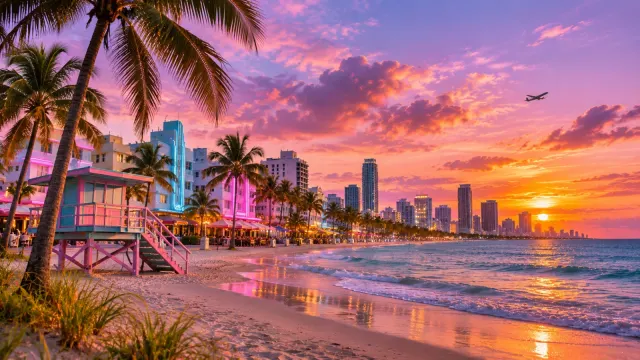 3 min
GTA 6 Is Here: The Real Florida Places Behind Vice City and Leonida
Grand Theft Auto VI is rolling out worldwide on 19 November 2026. Its fictional state of Leonida is based on Florida, so here are the real places that inspired the map and how to visit them.
Read the guide →
 2 min
New Year's Eve 2026: How to Plan a City Trip Now Without Overpaying
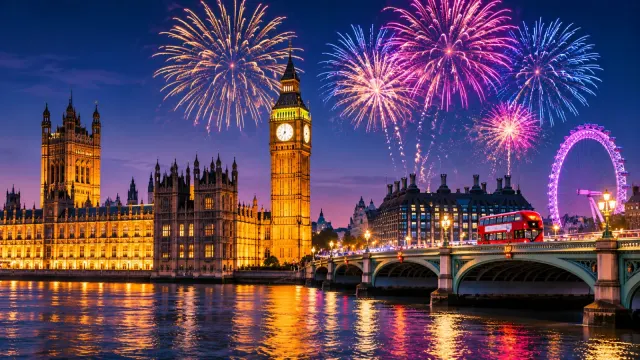
New Year's Eve is six weeks away, and the best hotels and events in popular cities fill up fast. Here is a practical plan for booking a New Year city trip now, from choosing the city to the fireworks.
Read the guide →
New guides in your inbox
We only write when there is something worth reading.
FAQ
Questions, answered.
Quick answers to what travelers ask us most.
 Still have a question?
Write to us; we usually reply within a day.
-
Istanbul Airport (IST) is located outside the central districts. You can reach the city by Havaist airport shuttles, metro, taxi or private transfer. The best option depends on your destination, budget and arrival time.
-
Yes. Prague combines a fairy-tale historic centre, a huge castle, great beer and food, and easy public transport, all in a compact, walkable city.
-
Istanbul offers an extensive public transportation network, including metro lines, trams, buses, ferries and funiculars. Public transportation is often the most convenient way to explore the city, especially during busy traffic hours.
-
Prague Castle, Charles Bridge, Old Town Square with the Astronomical Clock, the Jewish Quarter and the Lesser Town.
-
You can purchase an Istanbulkart from designated vending machines and sales points at metro stations, airports and other transportation hubs. The card can be topped up and used on most public transportation services throughout Istanbul.
-
Three days is ideal for a first visit. Add a fourth day for a trip to Kutná Hora or Karlštejn Castle.
-
You can travel between the two continents using ferries, Marmaray, metro connections and buses. Ferries are particularly enjoyable for visitors who want to experience the Bosphorus and see the city from the water.
-
April–May and September–October for mild weather and fewer crowds. Late November and December are popular for the Christmas markets.
-
Three to five days is a good amount of time to explore Istanbul's main attractions. This allows you to visit Sultanahmet, discover different neighborhoods, enjoy a Bosphorus cruise and experience both sides of the city without rushing.
-
The Czech koruna (CZK). Some places accept euros, but usually at a poor rate. Cards are accepted almost everywhere.
-
Booking tickets in advance can help you avoid queues and secure your preferred visiting times, especially during peak tourist seasons. Check the official ticket information for attractions such as Topkapi Palace, Basilica Cistern and other popular landmarks.
-
Pay in Czech crowns. When a card machine or ATM offers to charge you in your home currency, choose CZK for a better rate.
-
Visitors should dress respectfully when entering mosques. Shoulders and knees should generally be covered, and women may be asked to cover their hair. Headscarves and other coverings may be available at some mosque entrances.
-
Take a city bus to metro line A or B and continue by metro, or take the Airport Express bus to the main railway station. Taxis, ride-hailing apps and private transfers are also available.
-
Popular departure points include Eminonu, Kabatas and Besiktas. Visitors can choose between public ferry journeys, short sightseeing cruises and longer Bosphorus tours. Compare departure locations and durations before choosing your experience.
-
One ticket covers the metro, trams and buses. Tickets are based on time, and paper tickets must be validated when you first use them. 24- and 72-hour passes are available.
-
Kadikoy and Moda are popular for cafés, food markets and seaside walks. Balat is known for its colorful streets and historic architecture, while Kuzguncuk offers a quieter atmosphere with traditional houses and neighborhood cafés.
-
Yes, Prague is generally very safe. Watch out for pickpockets in crowded places such as Charles Bridge, Old Town Square and on trams.
-
Credit and debit cards are widely accepted in hotels, restaurants, shopping malls and larger businesses. However, carrying some Turkish Lira in cash is useful for smaller shops, local markets and certain independent businesses.
-
Czech. English is widely spoken in hotels, restaurants and shops in the centre.
-
Svíčková (beef in cream sauce with dumplings), goulash, roast pork with dumplings and sauerkraut, fried cheese and chlebíčky open sandwiches.
-
Not really. It is sold everywhere in the Old Town and is fun to try, but it is a tourist favourite rather than a traditional Czech dish.
-
Tipping is not obligatory. Rounding up or leaving around 10% for good service in restaurants is common.
-
Yes, tap water in Prague is safe to drink.
-
The Old Town or Lesser Town for sightseeing on foot, the New Town for good transport links, and Vinohrady for a local, relaxed feel.
-
Kutná Hora and its Bone Church, Karlštejn Castle, Český Krumlov, the Terezín Memorial and Karlovy Vary.
-
From late November through the Christmas season, mainly on Old Town Square and Wenceslas Square. Check the exact dates each year.
-
Type E sockets at 230 V; type F plugs usually fit as well.
-
Yes. The historic centre is compact and best explored on foot, though the cobblestones and the hill up to the castle call for comfortable shoes.
-
112, the European emergency number.
TRAVEL EXPERIENCES, REAL STORIES
Every journey has a story to tell.
The best travel insights come from those who have been there. Explore traveler feedback and discover how TripSpoiler helps people find remarkable places, compare experiences and plan their journeys with confidence.
Write a Review
Your experience helps other travelers plan better.
Thank you!
Your review was sent. It will appear on the site once approved.