YOUR NEXT DESTINATION
Rome Italy Rome travel guide: ancient ruins, Baroque piazzas and long lunches
Rome packs nearly 3,000 years of history into one walkable city. Stand inside the Colosseum, walk the Roman Forum, look up at the Pantheon dome, toss a coin into the Trevi Fountain and cross into Vatican City for St Peter's. Between the sights, Rome is about piazzas, fountains, espresso at the bar and long plates of pasta. This guide helps you plan the best things to do in Rome, where to stay, how to get around and when to go.
Choose a city · 13 cities
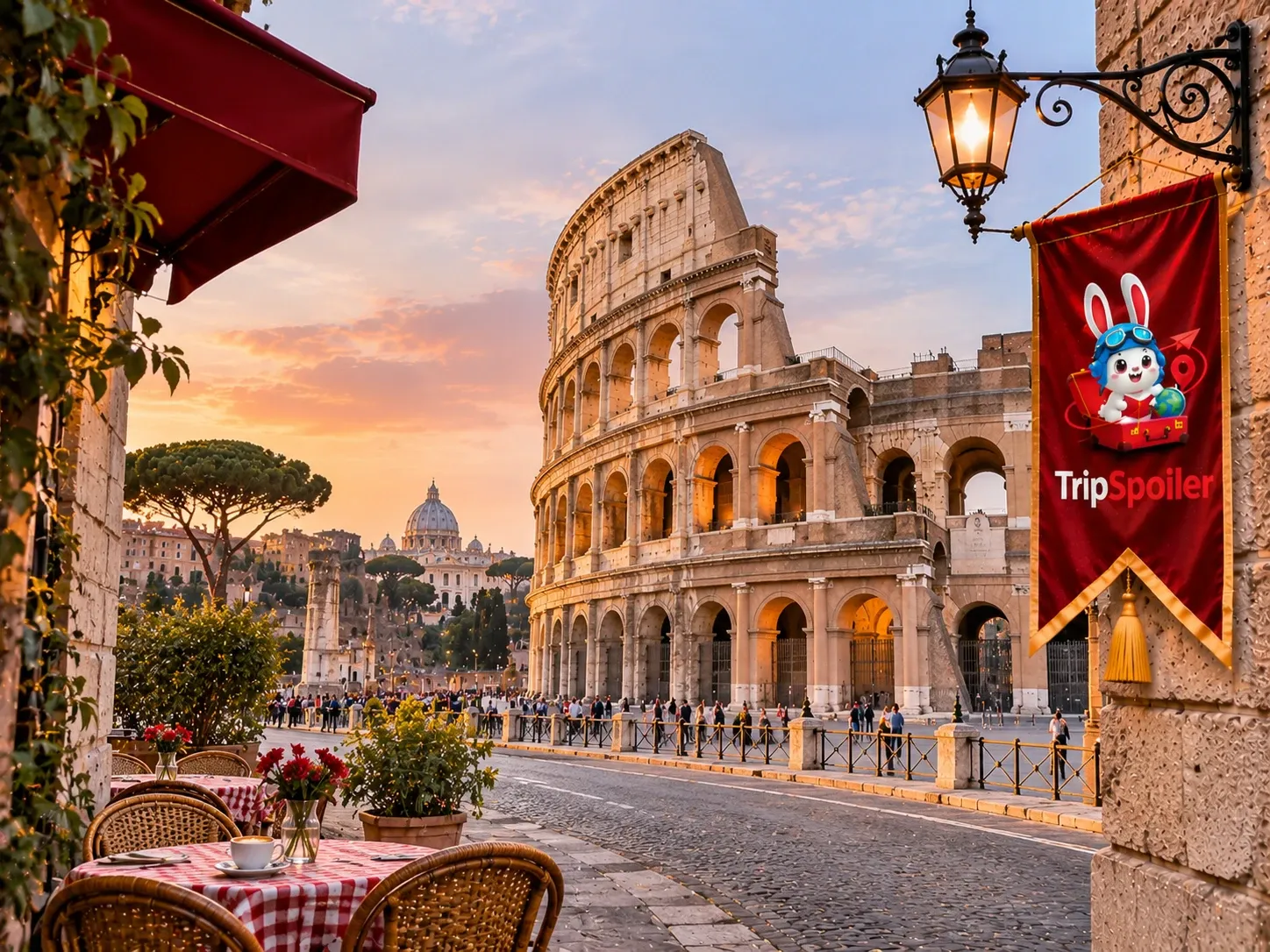
Rome at a glance
| Best time to visit | April to June and September to October for pleasant weather; July and August are hot and crowded; winter is quieter and mild |
|---|---|
| How many days | 3 days for the ancient sites, the Vatican and the historic centre; 4 to 5 days to add Trastevere, the Appian Way or a day trip |
| Airport to city centre | Rome Fiumicino (FCO): Leonardo Express train to Termini or regional trains to other stations; Ciampino (CIA) is served by buses |
| Getting around | Metro lines A, B and C, buses and trams run by ATAC; tap a contactless card at the gates or buy tickets; the centre is best explored on foot |
| Currency | Euro (EUR); cards are widely accepted |
| Language | Italian; English is common in tourist areas |
|---|---|
| Tipping | Not expected; restaurants may add a coperto (cover charge). Rounding up or leaving a few euros for good service is appreciated |
| Plugs and voltage | Type C, F and L plugs, 230 V |
| Emergency number | 112 for police, ambulance and fire |
Prices and times are approximate and can change. Check official sources before you travel.
Things to see
01 / 10
Best things to see in Rome
2 min read
Rome's sights fall into three easy groups: ancient Rome around the Colosseum, the historic centre with its piazzas and fountains, and Vatican City across the river.
Ancient Rome
- Colosseum: the great amphitheatre of the Roman Empire, built in the 1st century AD.
- Roman Forum: the ruins of temples, basilicas and the Senate House at the heart of the ancient city.
- Palatine Hill: where emperors built their palaces, with views over the Forum and the Circus Maximus.
- Pantheon: a temple turned church with the famous open oculus in its dome.
Historic centre
- Trevi Fountain: Rome's grandest Baroque fountain; throw a coin to make sure you return.
- Piazza Navona: an oval square on the site of an ancient stadium, with Bernini's Fountain of the Four Rivers.
- Spanish Steps: the elegant staircase climbing from Piazza di Spagna to Trinità dei Monti.
- Campo de' Fiori: a lively square with a morning market.
Vatican City
- St Peter's Basilica: one of the largest churches in the world, with Michelangelo's dome and Pietà.
- Vatican Museums and Sistine Chapel: papal art collections ending at Michelangelo's ceiling.
Less obvious gems
- Santa Maria Maggiore: a papal basilica with 5th-century mosaics.
- Capuchin Crypt: chapels decorated with the bones of Capuchin friars.
- Trastevere: cobbled lanes, ivy-covered houses and trattorias across the Tiber.
Food & drink
02 / 10
Food and drink in Rome
1 min read
Roman cooking is simple and built on a few good ingredients: pecorino cheese, black pepper, guanciale (cured pork cheek) and seasonal vegetables.
The four classic pastas
- Cacio e pepe: pecorino and black pepper, nothing more.
- Carbonara: egg, guanciale, pecorino and pepper; no cream.
- Amatriciana: tomato, guanciale and pecorino.
- Gricia: guanciale and pecorino, often called a carbonara without egg.
More to try
- Supplì: fried rice balls with a melting mozzarella centre.
- Carciofi: artichokes, fried Jewish-style (alla giudia) or braised Roman-style (alla romana).
- Pizza al taglio: pizza by the slice, sold by weight.
- Saltimbocca: veal with prosciutto and sage.
- Maritozzo: a sweet bun filled with whipped cream.
Coffee and gelato
- Drink espresso standing at the bar like locals; it is usually cheaper than sitting down.
- Cappuccino is a morning drink in Italy.
- For gelato, look for muted natural colours and covered metal tubs rather than tall, bright mounds.
Where to eat
- Trastevere and Testaccio: traditional trattorias and a food market in Testaccio.
- Jewish Ghetto: Roman-Jewish dishes such as fried artichokes.
- Restaurants right next to the big sights tend to be pricier and more touristy; walk a few streets away.
Where to stay
03 / 10
Where to stay in Rome
1 min read
Staying central saves time, because most sights are within walking distance of each other.
- Centro Storico (Pantheon, Piazza Navona): the most atmospheric choice, with everything on foot. Can be noisy and pricey.
- Monti: a characterful neighbourhood near the Colosseum, with small bars, vintage shops and a metro stop.
- Trastevere: charming lanes and great food, lively at night. Fewer metro links.
- Prati: calm and elegant, close to the Vatican, with good restaurants and the metro.
- Termini area: handy for the airport train and day trips, and often cheaper, but less charming at night.
- Spanish Steps and Via del Corso: classic hotels and shopping streets.
Tips
- Rome charges a city tax per person per night, usually paid at the hotel.
- Many historic buildings have small lifts or none; check if you have heavy luggage.
- Air conditioning matters from June to September.
Getting around
04 / 10
Getting around Rome
1 min read
Rome's historic centre is compact, and walking is often the quickest way between sights. For longer hops, use the metro, buses or trams run by ATAC.
Metro
- Line A: Termini, Spanish Steps (Spagna), Barberini for the Trevi Fountain, and Ottaviano for the Vatican.
- Line B: Termini and Colosseo.
- Line C: runs through the eastern districts and now reaches the Colosseum area.
- The metro does not run under the very centre, so you will still walk to the Pantheon and Piazza Navona.
Buses and trams
- Buses cover areas the metro misses, such as Trastevere and the centre.
- Tram 8 links Largo Argentina with Trastevere.
Tickets
- Tap a contactless bank card at the metro gates, or buy tickets at stations and tobacco shops.
- Validate paper tickets when you board buses and trams.
Other options
- Hop-on hop-off bus: an easy way to link the main sights on day one.
- Taxis: use official white taxis from a rank or a taxi app.
- On foot: wear comfortable shoes; cobblestones are tiring.
From the airport
05 / 10
From the airport to Rome
1 min read
Rome has two airports. Fiumicino (FCO) is the main one; Ciampino (CIA) mostly serves low-cost airlines.
From Fiumicino (FCO)
- Leonardo Express: a non-stop train to Roma Termini, about 30 minutes.
- Regional train FL1: stops at Trastevere, Ostiense and Tiburtina; useful if you stay there.
- Airport buses: several companies run coaches to Termini; slower but cheap.
- Taxi: official white taxis charge a fixed fare to the centre within the Aurelian Walls.
From Ciampino (CIA)
- Airport buses: direct coaches to Termini.
- Bus and train: a local bus to Ciampino station, then a train to Termini.
- Taxi: fixed fare to the city centre.
Tips
- Only use official taxis from the rank; ignore drivers offering rides in the arrivals hall.
- Validate train tickets before boarding if they are paper.
When to go
06 / 10
When to go to Rome
1 min read
Rome is a year-round city, but the weather and crowds change a lot through the year.
- Spring (April to June): warm and sunny, with flowers on the Spanish Steps. One of the best times, though Easter is very busy.
- Summer (July and August): hot, often above 30°C, and crowded at the big sights. Many locals leave in mid-August, and some small shops close.
- Autumn (September to October): still warm, softer light and fewer crowds than summer. Ideal for walking.
- Winter (November to March): mild and quieter, with occasional rain. Christmas brings nativity scenes and a festive market in Piazza Navona.
Tips
- Visit the Colosseum and Vatican early in the morning or late in the afternoon.
- Book timed tickets well ahead in spring, summer and around holidays.
- Check religious holidays and papal events, which can change Vatican opening times.
Itineraries
07 / 10
Rome itineraries
1 min read
- Start early at the Colosseum.
- Walk through the Roman Forum and up Palatine Hill.
- Lunch in Monti.
- Afternoon at Piazza Venezia and the Capitoline Hill, with views over the Forum at sunset.
Day 2: Vatican and Prati
- Morning at the Vatican Museums and Sistine Chapel.
- Visit St Peter's Basilica and climb the dome if you have the energy.
- Walk along the Tiber to Castel Sant'Angelo.
- Evening in Trastevere for dinner.
Day 3: Historic centre
- Pantheon in the morning, before the crowds.
- Piazza Navona and Campo de' Fiori.
- Trevi Fountain and the Spanish Steps.
- Late afternoon at the Capuchin Crypt or Santa Maria Maggiore.
With more time
- Borghese Gallery and Villa Borghese gardens.
- Cycle the Appian Way and visit the catacombs.
- Testaccio food market and the Aventine keyhole.
- A day trip to Ostia Antica or Tivoli.
Day trips
08 / 10
Day trips from Rome
1 min read
Fast trains and regional lines make it easy to explore beyond Rome.
- Ostia Antica: the well-preserved ruins of ancient Rome's port, reached by local train in under an hour.
- Tivoli: Villa d'Este with its terraced fountains and Hadrian's Villa, the emperor's vast country retreat.
- Florence: about 1.5 hours by high-speed train for Renaissance art and the Duomo.
- Naples and Pompeii: high-speed train to Naples, then a local train to the ruins of Pompeii. A long but rewarding day.
- Orvieto: a hilltop town with a striking cathedral, around an hour by train.
- Castelli Romani: hill towns south of Rome known for wine, lakes and the pope's summer residence at Castel Gandolfo.
Tips
- Book high-speed train tickets early for better fares.
- Start early to make the most of long day trips like Pompeii.
Shopping & markets
09 / 10
Shopping and markets in Rome
1 min read
Rome mixes luxury streets, small artisan workshops and lively local markets.
Shopping streets
- Via dei Condotti: top fashion brands below the Spanish Steps.
- Via del Corso: a long street with high-street shops.
- Via dei Coronari and Via del Governo Vecchio: antiques, vintage and small boutiques near Piazza Navona.
- Monti: independent designers and vintage stores.
Markets
- Campo de' Fiori: a morning market for produce, spices and souvenirs.
- Testaccio Market: a covered market loved by locals, with great street food.
- Porta Portese: a huge Sunday flea market in Trastevere.
- Mercato Trionfale: a large food market near the Vatican.
What to bring home
- Leather goods, olive oil, pecorino romano, dried pasta, coffee and religious art.
Practical tips
10 / 10
Practical tips for Rome
1 min read
- Book ahead: the Colosseum, Vatican Museums and Borghese Gallery need timed tickets, and popular slots sell out.
- Dress code: churches, including St Peter's, require covered shoulders and knees.
- Water: the nasoni, Rome's street fountains, give free drinking water. Bring a bottle.
- Pickpockets: watch your bag on crowded buses (especially line 64), the metro and at busy sights.
- Sitting rules: sitting or eating on the Spanish Steps and wading in fountains is forbidden and can be fined.
- Cover charge: many restaurants add a coperto per person; it is normal.
- Opening days: many museums close one day a week; check before you go.
- Sundays: the Vatican Museums are usually closed, except some last Sundays of the month.
- Shoes: cobblestones and long walks call for comfortable footwear.
- Emergency number: 112.
Weather
Weather in Rome
Rome · Now 17:52
16°
Clear
High 16° / Low 13°
- Wind
- 14 km/h
- Humidity
- %82
- Sunrise
- 07:05
- Sunset
- 16:45
Rome · Saturday, 21 November
19°
Partly cloudy
High 19° / Low 9°
- Wind
- 9 km/h
- Rain
- 0 mm
- Sunrise
- 07:06
- Sunset
- 16:44
Rome · Sunday, 22 November
18°
Light rain
High 18° / Low 13°
- Wind
- 28 km/h
- Rain
- 2,1 mm
- Sunrise
- 07:07
- Sunset
- 16:44
Rome · Monday, 23 November
15°
Mostly sunny
High 15° / Low 10°
- Wind
- 16 km/h
- Rain
- 1,1 mm
- Sunrise
- 07:09
- Sunset
- 16:43
Rome · Tuesday, 24 November
15°
Cloudy
High 15° / Low 6°
- Wind
- 7 km/h
- Rain
- 0 mm
- Sunrise
- 07:10
- Sunset
- 16:43
Rome · Wednesday, 25 November
16°
Cloudy
High 16° / Low 9°
- Wind
- 13 km/h
- Rain
- 0,7 mm
- Sunrise
- 07:11
- Sunset
- 16:42
Rome · Thursday, 26 November
18°
Cloudy
High 18° / Low 14°
- Wind
- 26 km/h
- Rain
- 26,8 mm
- Sunrise
- 07:12
- Sunset
- 16:41
7-day forecast
What to wear today?
- No rain expected You can leave the umbrella at home.
- Evenings are cool Bring a light jacket.
What to wear on Saturday?
- No rain expected You can leave the umbrella at home.
- Evenings are cool Bring a light jacket.
What to wear on Sunday?
- Rain is expected Don’t forget an umbrella or a rain jacket.
- Evenings are cool Bring a light jacket.
What to wear on Monday?
- Rain is expected Don’t forget an umbrella or a rain jacket.
- Evenings are cool Bring a light jacket.
What to wear on Tuesday?
- No rain expected You can leave the umbrella at home.
- Evenings are cool Bring a light jacket.
What to wear on Wednesday?
- No rain expected You can leave the umbrella at home.
- Evenings are cool Bring a light jacket.
What to wear on Thursday?
- Rain is expected Don’t forget an umbrella or a rain jacket.
- Evenings are cool Bring a light jacket.
Updated at 14:17 · Source: MET Norway
Local time
Time in Rome
17:5209
Friday, 20 November
Europe/Rome · UTC+1
Your time
- Sunrise
- 07:05
- Sunset
- 16:45
- UTC offset
- UTC+1 · CET
- Daylight saving
- 28 Mar → UTC+2
Best time to call:
From the journal
Guides for Rome
Practical, honest guides that help you decide what to see and how to see it.
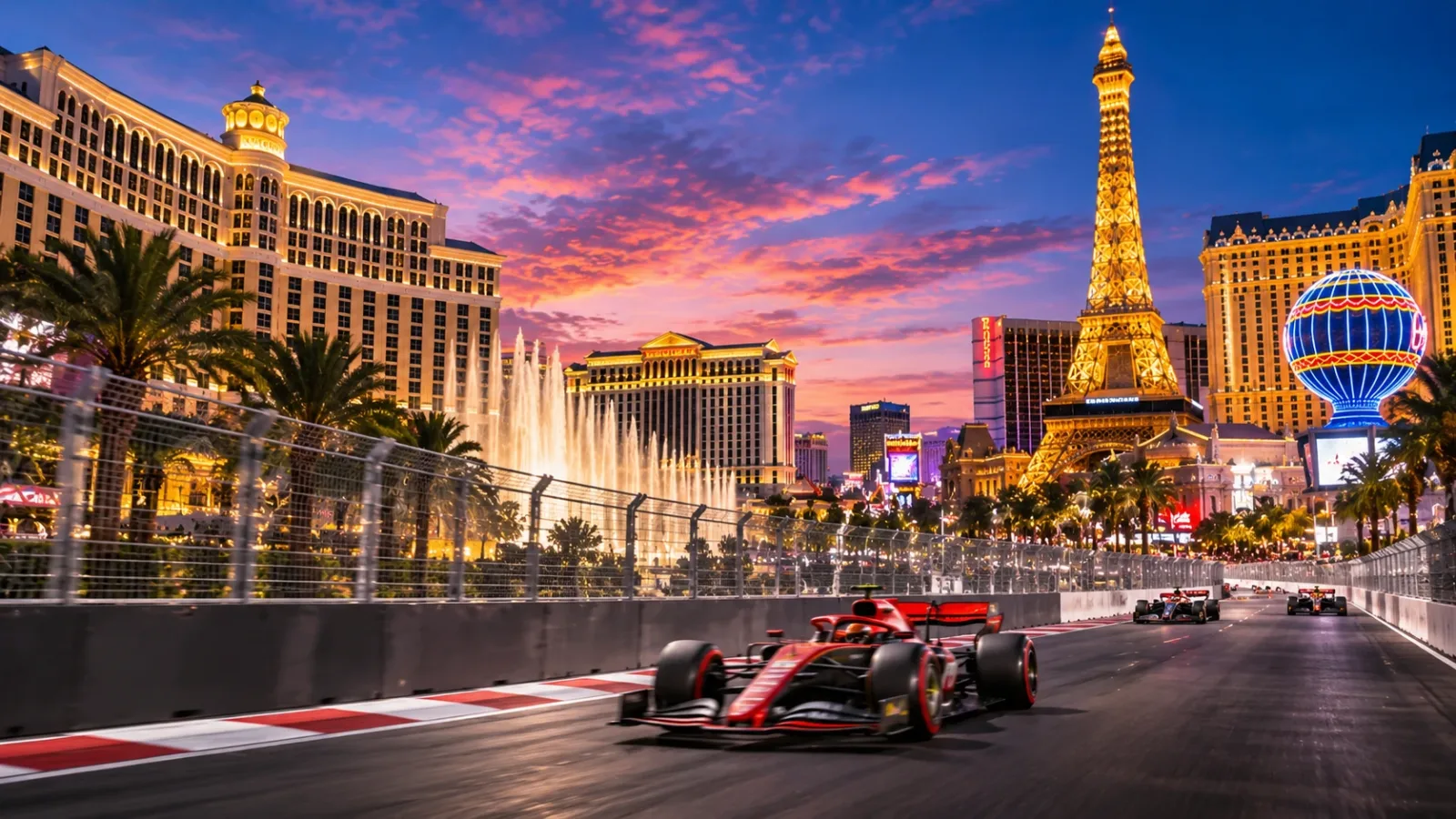
Las Vegas Grand Prix 2026: Visiting Las Vegas During F1 Race Week
Formula 1 returns to the Las Vegas Strip on 19–21 November 2026, with the race on Saturday night. Here is what changes in the city during race week and how to plan a visit.
Read the guide 3 min
GTA 6 Is Here: The Real Florida Places Behind Vice City and Leonida
Grand Theft Auto VI is rolling out worldwide on 19 November 2026. Its fictional state of Leonida is based on Florida, so here are the real places that inspired the map and how to visit them.
Read the guide →
 2 min
New Year's Eve 2026: How to Plan a City Trip Now Without Overpaying
New Year's Eve is six weeks away, and the best hotels and events in popular cities fill up fast. Here is a practical plan for booking a New Year city trip now, from choosing the city to the fireworks.
Read the guide →
New guides in your inbox
We only write when there is something worth reading.
FAQ
Questions, answered.
Quick answers to what travelers ask us most.
 Still have a question?
Write to us; we usually reply within a day.
-
Istanbul Airport (IST) is located outside the central districts. You can reach the city by Havaist airport shuttles, metro, taxi or private transfer. The best option depends on your destination, budget and arrival time.
-
Istanbul offers an extensive public transportation network, including metro lines, trams, buses, ferries and funiculars. Public transportation is often the most convenient way to explore the city, especially during busy traffic hours.
-
You can purchase an Istanbulkart from designated vending machines and sales points at metro stations, airports and other transportation hubs. The card can be topped up and used on most public transportation services throughout Istanbul.
-
You can travel between the two continents using ferries, Marmaray, metro connections and buses. Ferries are particularly enjoyable for visitors who want to experience the Bosphorus and see the city from the water.
-
Three to five days is a good amount of time to explore Istanbul's main attractions. This allows you to visit Sultanahmet, discover different neighborhoods, enjoy a Bosphorus cruise and experience both sides of the city without rushing.
-
Booking tickets in advance can help you avoid queues and secure your preferred visiting times, especially during peak tourist seasons. Check the official ticket information for attractions such as Topkapi Palace, Basilica Cistern and other popular landmarks.
-
Visitors should dress respectfully when entering mosques. Shoulders and knees should generally be covered, and women may be asked to cover their hair. Headscarves and other coverings may be available at some mosque entrances.
-
Popular departure points include Eminonu, Kabatas and Besiktas. Visitors can choose between public ferry journeys, short sightseeing cruises and longer Bosphorus tours. Compare departure locations and durations before choosing your experience.
-
Kadikoy and Moda are popular for cafés, food markets and seaside walks. Balat is known for its colorful streets and historic architecture, while Kuzguncuk offers a quieter atmosphere with traditional houses and neighborhood cafés.
-
Credit and debit cards are widely accepted in hotels, restaurants, shopping malls and larger businesses. However, carrying some Turkish Lira in cash is useful for smaller shops, local markets and certain independent businesses.
-
Three days covers ancient Rome, the Vatican and the historic centre. Four or five days lets you add Trastevere, the Appian Way or a day trip.
-
April to June and September to October bring pleasant weather. July and August are hot and crowded.
-
The Leonardo Express train runs non-stop to Termini in about 30 minutes. Buses and fixed-fare taxis are other options.
-
Yes. The historic centre is compact, and many sights are within walking distance of each other.
-
ATAC runs metro lines A, B and C, buses and trams. You can tap a contactless card at metro gates or buy tickets at stations and tobacco shops.
-
The euro. Cards are widely accepted.
-
Tipping is not expected. Many restaurants add a cover charge (coperto); rounding up for good service is appreciated.
-
Generally yes. Watch for pickpockets on crowded buses, the metro and at busy sights.
-
The Centro Storico for atmosphere, Monti near the Colosseum, Trastevere for food and nightlife, Prati near the Vatican, or the Termini area for transport links.
-
The four Roman pastas (cacio e pepe, carbonara, amatriciana and gricia), supplì, artichokes, pizza al taglio and maritozzo.
-
Yes. The nasoni street fountains give free, fresh drinking water all over the city.
-
Yes. Rome charges a tourist tax per person per night, usually paid at your accommodation.
-
Cover your shoulders and knees. This applies at St Peter's Basilica and most churches.
-
Italian. English is common in hotels, restaurants and tourist areas.
-
Type C, F and L plugs at 230 V.
-
Yes. Vatican City lies inside Rome; take metro line A to Ottaviano and walk a few minutes. No passport check is needed.
-
Ostia Antica, Tivoli, Florence, Naples and Pompeii, Orvieto and the Castelli Romani hill towns.
-
Yes. Winter is mild and quieter, with Christmas markets and nativity scenes in December.
-
112 for police, ambulance and fire.
-
Many close one day a week, and the Vatican Museums are usually closed on Sundays. Check opening days before you go.
TRAVEL EXPERIENCES, REAL STORIES
Every journey has a story to tell.
The best travel insights come from those who have been there. Explore traveler feedback and discover how TripSpoiler helps people find remarkable places, compare experiences and plan their journeys with confidence.
Write a Review
Your experience helps other travelers plan better.
Thank you!
Your review was sent. It will appear on the site once approved.