다음 목적지
Vienna Austria Vienna travel guide: palaces, coffee houses and music
Vienna is a city of imperial palaces, grand boulevards and legendary coffee houses, where Habsburg history, world-class art and classical music meet everyday Austrian charm. Tour Schönbrunn and the Hofburg, see Klimt's masterpieces, take a slice of Sachertorte and end the evening at the opera or a wine tavern. This guide helps you plan the best things to do in Vienna, where to stay, how to get around and which day trips are worth it.

Vienna 한눈에 보기
| 여행 적기 | April–June and September–October for pleasant weather; mid-November to December for the Christmas markets |
|---|---|
| 추천 일정 | 3 days for the palaces, the old town and the museums; add a day for the Wachau Valley or Bratislava |
| 공항에서 시내까지 | Vienna International Airport (VIE): City Airport Train or S-Bahn S7 to Wien Mitte, or trains to the main station |
| 시내 교통 | U-Bahn, trams and buses on one ticket; 24-, 48- and 72-hour tickets available |
| 통화 | Euro (EUR); cards are widely accepted, but carry some cash for small places |
| 언어 | German; English is widely spoken in the centre |
|---|---|
| 팁 | Round up or leave around 10% for good service |
| 콘센트와 전압 | Type C and F plugs, 230 V |
| 긴급 전화 | 112 |
요금과 소요 시간은 대략적인 정보이며 바뀔 수 있습니다. 여행 전 공식 정보를 확인하세요.
볼거리
01 / 10
Best things to see in Vienna
2분 분량
Vienna was the capital of the Habsburg empire for centuries, and it shows: palaces, grand museums and elegant boulevards are everywhere. Most of the highlights are in or around the historic centre, the Innere Stadt, which is ringed by the famous Ringstrasse.
Schönbrunn Palace
The Habsburgs' summer residence is Vienna's most visited sight. Tour the state rooms where Empress Maria Theresa and Emperor Franz Joseph lived, then walk through the formal gardens up to the Gloriette for a view over the palace and the city. The grounds also hold Schönbrunn Zoo, often described as the oldest zoo in the world still operating.
The Hofburg
The imperial winter palace in the centre is a whole complex. Visit the Imperial Apartments, the Sisi Museum about Empress Elisabeth and the imperial silver collection. The Hofburg is also home to the Spanish Riding School and the Imperial Treasury.
St Stephen's Cathedral
Stephansdom, with its patterned tiled roof and soaring Gothic tower, is the symbol of Vienna. Climb the south tower's stairs or take the lift up the north tower for views over the old town.
Art and museums
- Belvedere: a Baroque palace that holds Gustav Klimt's famous painting The Kiss.
- Kunsthistorisches Museum: one of the world's great art museums, in a magnificent building.
- MuseumsQuartier: modern art and the Leopold Museum, with works by Schiele and Klimt.
- Albertina: a palace with major collections of prints, drawings and modern art.
More places worth your time
- Vienna State Opera: one of the world's leading opera houses; guided tours are available too.
- The Prater and the Giant Ferris Wheel: a historic wheel with views over the city.
- Hundertwasserhaus: a colourful, curving apartment building.
- Karlskirche: a Baroque church with a great green dome.
- The Ringstrasse: ride a tram around the grand boulevard lined with landmarks.
Tip: if you plan to see many sights, compare a city pass or combined ticket with buying each entry separately.
음식 및 음료
02 / 10
What to eat and drink in Vienna
2분 분량
Viennese food is rich, comforting and full of history, shaped by the many cultures of the old empire. And then there are the cakes and the coffee houses, which are an institution in their own right.
Classic dishes
- Wiener Schnitzel: a thin, breaded and fried veal cutlet, usually with potato salad and lemon. Versions made with pork are called Schnitzel Wiener Art.
- Tafelspitz: boiled beef served with broth, apple-horseradish sauce and chive sauce.
- Gulasch: a Viennese take on goulash, often eaten with bread or dumplings.
- Knödel: dumplings in many forms, savoury and sweet.
Cakes and desserts
- Sachertorte: a dense chocolate cake with apricot jam, served with whipped cream.
- Apfelstrudel: thin pastry rolled around spiced apple.
- Kaiserschmarrn: torn, fluffy pancake with powdered sugar and fruit compote.
- Topfenstrudel: a strudel filled with sweet curd cheese.
Coffee house culture
Vienna's coffee houses are places to linger for hours with a newspaper. Order a Melange (similar to a cappuccino) or an Einspänner (black coffee topped with whipped cream). Your coffee usually comes with a small glass of water.
Street food and markets
A Würstelstand (sausage stand) is a Viennese classic, especially late at night; try a Käsekrainer, a sausage filled with cheese. The Naschmarkt is the city's most famous market, with food stalls and restaurants from many cuisines.
Wine taverns
Vienna is one of the few capitals with vineyards inside the city limits. Visit a Heuriger, a traditional wine tavern on the city's outskirts, for young local wine and a simple buffet. Look for a Grüner Veltliner, Austria's best-known white grape.
Tips
- Many restaurants offer a good-value weekday lunch menu (Mittagsmenü).
- Book ahead for popular restaurants, especially at weekends.
- Tell the waiter the total including tip when you pay.
머무를 곳
03 / 10
Where to stay in Vienna
2분 분량
Vienna is divided into numbered districts (Bezirke), with the 1st district, the Innere Stadt, at the centre. Public transport is excellent, so you can stay in many areas and still reach the sights quickly.
Innere Stadt (1st district)
The historic heart, inside the Ringstrasse. You will be close to St Stephen's Cathedral, the Hofburg and the Opera, with elegant shopping streets on your doorstep. It is the most convenient choice but also the most expensive.
Leopoldstadt (2nd district)
Across the Danube Canal, close to the centre and to the Prater park. It mixes residential streets, the lively Karmelitermarkt and good transport links, often at better prices than the 1st district.
Landstrasse (3rd district)
Home to the Belvedere and the Hundertwasserhaus. It is well connected to the airport via Wien Mitte station, which makes it practical for short stays.
Wieden and Mariahilf (4th and 6th districts)
Around the Naschmarkt and Karlsplatz, these districts are lively, with cafés, bars and restaurants. Mariahilfer Strasse is the city's main shopping street.
Neubau and Josefstadt (7th and 8th districts)
- Neubau: creative and trendy, with independent shops, the Spittelberg quarter and the MuseumsQuartier nearby.
- Josefstadt: quiet and elegant, with a local, residential feel.
Near the main station
The area around Wien Hauptbahnhof (10th district) has many modern hotels and is handy if you arrive or leave by train, though it is less atmospheric.
Tips for booking
- Check the nearest U-Bahn or tram stop rather than relying on the word "central".
- Book early for the Christmas market season and the ball season in winter.
- A city tax is charged per person per night; check whether it is included in your price.
돌아다니기
04 / 10
Getting around Vienna
2분 분량
Vienna has one of the best public transport networks in Europe. The U-Bahn, trams and buses are clean, punctual and frequent, and one ticket covers them all within the city.
U-Bahn
The underground has five lines, U1, U2, U3, U4 and U6, each with its own colour. Stephansplatz, Karlsplatz and Westbahnhof are major interchange points. Trains run very frequently during the day, and on Friday and Saturday nights and the night before public holidays the U-Bahn runs through the night.
Trams
Trams are a pleasant way to see the city. Lines run around the Ringstrasse, so you can pass the Opera, the Hofburg, the Parliament and the City Hall from your window. Night buses take over after the trams stop.
Tickets
- Single tickets, and 24-, 48- and 72-hour tickets, are available, as well as a weekly ticket.
- Buy tickets from machines in stations, at ticket offices or in the official Wiener Linien app.
- Some paper tickets must be validated in the blue machines before your first ride; check the instructions on your ticket.
- There are no ticket gates, but inspectors check regularly and fines are given on the spot.
- Check current ticket types and prices before you go.
Walking and cycling
The Innere Stadt is compact and best explored on foot. Vienna also has many bike lanes and a city bike-sharing scheme. Be careful not to walk in cycle lanes, which are often marked on the pavement.
Taxis and ride-hailing
Taxis are metered and ride-hailing apps are widely used. They are useful late at night or with luggage.
Good to know
- Locals keep quiet on public transport and stand on the right on escalators.
- Wait for the green light before crossing the road; jaywalking is frowned upon.
- Many sights outside the centre, like Schönbrunn, are easy to reach by U-Bahn.
공항에서
05 / 10
Getting from Vienna Airport to the city centre
2분 분량
Vienna International Airport (VIE) is in Schwechat, about 18 km southeast of the city centre. Getting into town is quick and easy, with several train options as well as buses and taxis.
City Airport Train (CAT)
The City Airport Train is a non-stop express train to Wien Mitte station in the 3rd district. It is the fastest way to the centre, taking around a quarter of an hour. It uses its own fare, so check the price before you travel.
S-Bahn S7
The S7 commuter train also runs to Wien Mitte and on to other stations. It takes a little longer than the CAT because it stops along the way, but it is the budget-friendly option. You need a ticket that covers the journey from the airport, which lies outside the city's core zone; check at the machine which ticket you need.
Trains to the main station
Austrian Federal Railways (ÖBB) trains, including Railjet services, connect the airport with Wien Hauptbahnhof, the main railway station. This is handy if your hotel is in the south of the city or you are continuing by train.
Airport buses
Airport buses run to several points in the city, including the main stations. They are a good choice if they stop close to your hotel.
Taxis and transfers
Taxis and ride-hailing apps are available outside the arrivals hall, and the drive into town usually takes 20–40 minutes depending on traffic. A pre-booked private transfer is the most relaxed choice with children or heavy luggage.
Tips
- Wien Mitte connects to U-Bahn lines U3 and U4, so you can easily continue to your hotel.
- Buy and, if needed, validate your ticket before boarding.
- Timetables and fares change, so check them before you travel.
갈 때
06 / 10
When is the best time to visit Vienna?
2분 분량
Vienna is a year-round destination. Every season has its highlights, from spring gardens and summer festivals to Christmas markets and the winter ball season.
Spring (April–May)
Spring is one of the loveliest times to visit. The palace gardens at Schönbrunn and the Belvedere bloom, café terraces open and the weather is ideal for walking. Easter markets appear in several squares.
Summer (June–August)
Summer brings long, warm days and an outdoor lifestyle. Locals swim and relax on the Danube Island, and a popular open-air film and music festival fills the square in front of the City Hall in July and August. It can get hot, and some classical venues take a summer break, so check concert schedules.
Autumn (September–October)
Autumn is mild and colourful, with fewer crowds than summer. It is wine season: the Heurigen on the edge of the city serve young wine, and the hills of the Vienna Woods turn golden. The cultural season of opera and concerts begins again.
Winter (November–March)
Winters are cold, sometimes with snow, but Vienna is at its most atmospheric. From mid-November, Christmas markets fill squares such as the one in front of the City Hall, at Schönbrunn and in Spittelberg. January and February are the heart of the famous ball season, and it is a great time for museums and cosy coffee houses.
At a glance
- Best weather: May, June, September.
- Most festive: late November to December.
- Quietest: January and February (outside major events).
Good to know
- Many shops are closed on Sundays, but museums and cafés are usually open.
- Book hotels early for December and major events.
- Opening hours of some sights are shorter in winter; check before you go.
여행일정
07 / 10
Vienna itineraries: how to spend 2, 3 or 4 days
2분 분량
Three days is a great amount of time for a first visit to Vienna: enough for the imperial palaces, the major museums, a concert and plenty of coffee and cake. Here is a simple plan to adapt to your pace.
Day 1: The historic centre
- Morning: start at St Stephen's Cathedral and climb one of its towers.
- Midday: stroll along the Graben and Kohlmarkt to the Hofburg; visit the Imperial Apartments and the Sisi Museum.
- Afternoon: take a coffee and cake break in a traditional coffee house.
- Evening: see the State Opera, or ride a tram around the illuminated Ringstrasse.
Day 2: Schönbrunn and the Belvedere
- Morning: take the U-Bahn to Schönbrunn Palace; tour the state rooms early, before the crowds.
- Late morning: walk through the gardens up to the Gloriette for the view.
- Afternoon: head to the Belvedere to see Klimt's The Kiss.
- Evening: dinner around the Naschmarkt.
Day 3: Museums and the Prater
- Morning: the Kunsthistorisches Museum or the MuseumsQuartier.
- Afternoon: see the colourful Hundertwasserhaus, then ride the Giant Ferris Wheel in the Prater.
- Evening: a classical concert, or a Heuriger wine tavern on the edge of the city.
Only 2 days?
Combine the old town and the Hofburg on day one, and Schönbrunn and the Belvedere on day two. Save one evening for music.
4 days or more
Add a day trip: the Wachau Valley with Melk Abbey, or Bratislava, which is about an hour away. You could also explore the Vienna Woods or spend more time in museums.
Itinerary tips
- Book timed tickets for Schönbrunn and popular museums in busy months.
- A 48- or 72-hour transport ticket makes moving around easy.
- Remember that most shops close on Sundays.
당일 여행
08 / 10
Best day trips from Vienna
2분 분량
Vienna sits at the heart of Central Europe, so vineyards, abbeys, alpine towns and even other capitals are within easy reach. Here are the most rewarding day trips.
The Wachau Valley and Melk Abbey
West of Vienna, the Danube flows through the Wachau Valley, a UNESCO-listed landscape of vineyards, apricot orchards and castle ruins. The magnificent Baroque Melk Abbey sits above the river, and the village of Dürnstein is known for its blue church tower and the ruins where Richard the Lionheart was once held. In season, river cruises link the towns.
Bratislava
Slovakia's capital is about an hour away by train, and boats also run along the Danube in season. Explore its compact old town, the castle on the hill and the riverside promenade.
Salzburg
Mozart's birthplace is a long day trip, around two and a half hours each way by train. Its Baroque old town, fortress and mountain backdrop make it worth the journey if you have the time.
The Vienna Woods
The Wienerwald starts at the city's edge. Hike or take a bus up to the Kahlenberg for a view over Vienna and the Danube, or visit Heiligenkreuz Abbey and the surrounding villages.
Budapest
Hungary's capital is about two and a half hours by train. It is possible as a long day trip, but most visitors prefer to stay at least one night.
Hallstatt
The famous lakeside village is beautiful but far, so it is a very long day. A guided tour is the easiest option.
Tips
- Leave early for longer trips and check return train times.
- Wachau river cruises run seasonally; check dates before you go.
- Bring your passport or ID when crossing borders.
쇼핑 및 시장
09 / 10
Shopping and markets in Vienna
2분 분량
Vienna is a great city for shopping, from luxury boutiques and traditional craftsmen to markets and seasonal Christmas stalls.
Where to shop
- Kärntner Strasse and the Graben: pedestrian streets in the old town, with international brands and historic shops.
- Kohlmarkt: luxury fashion and jewellery in elegant surroundings.
- Mariahilfer Strasse: the city's main high street, long and busy with shops of every kind.
- Neubau: independent designers, concept stores and vintage shops.
Markets
- Naschmarkt: Vienna's most famous market, with food stalls, spices and restaurants. On Saturdays a flea market sets up nearby.
- Karmelitermarkt: a more local market in Leopoldstadt.
- Christmas markets: from mid-November, squares such as the one in front of the City Hall, at Schönbrunn and in Spittelberg fill with crafts, decorations and mulled wine.
What to buy
- Sweets: boxed Sachertorte, Mozart chocolates and wafer biscuits.
- Coffee: beans or blends from a traditional roaster.
- Porcelain and glass: Vienna has a long tradition of fine porcelain and glassware.
- Wine: a bottle of Grüner Veltliner from Austria's wine regions.
- Traditional clothing: dirndls and other traditional garments in specialist shops.
Shopping tips
- Most shops are closed on Sundays; shops at major stations and the airport are the main exception.
- Cards are widely accepted, but carry some cash for market stalls.
- If you live outside the EU, ask about tax-free shopping when you spend above the minimum amount.
실용적인 팁
10 / 10
Practical tips for visiting Vienna
2분 분량
Vienna regularly ranks among the world's most liveable cities. It is safe, clean and easy to navigate, and a few tips will help you feel at home quickly.
Money
- Austria uses the euro.
- Cards are widely accepted, but some smaller cafés, sausage stands and market stalls still prefer cash.
- When paying, tell the waiter the total including tip rather than leaving coins on the table.
Language and etiquette
The official language is German, spoken with a distinctive Austrian flavour. English is widely understood in the centre. Greet people with Grüß Gott or Guten Tag, and say Danke for thank you. Viennese life can feel formal and polite; quiet behaviour on public transport is appreciated.
Tipping
Rounding up or leaving around 10% for good service in restaurants and cafés is common.
Safety
Vienna is very safe. As in any big city, watch your belongings in crowded places such as the U-Bahn, the Christmas markets and around St Stephen's Cathedral.
Useful information
- Emergency number: 112.
- Electricity: 230 V; type C and F plugs.
- Water: tap water comes from Alpine springs and is safe and delicious to drink.
- Sundays: most shops are closed, so plan shopping for other days.
- Entry: Austria is in the EU and the Schengen Area; check the entry rules for your nationality.
Save time and money
- Buy a 24-, 48- or 72-hour transport ticket if you will travel a lot.
- Compare city passes and combined tickets with single entries.
- Book timed tickets for Schönbrunn and popular museums in advance.
- Eat your main meal at lunch to take advantage of weekday lunch menus.
날씨
Vienna 날씨
Vienna · 현재 01:45
9°
구름 조금
최고 12° / 최저 8°
- 바람
- 26 km/h
- 습도
- %70
- 일출
- 07:08
- 일몰
- 16:11
Vienna · 토요일, 21 11월
10°
맑음
최고 10° / 최저 3°
- 바람
- 26 km/h
- 강수량
- 1,8 mm
- 일출
- 07:10
- 일몰
- 16:10
Vienna · 일요일, 22 11월
6°
구름 조금
최고 6° / 최저 1°
- 바람
- 11 km/h
- 강수량
- 0 mm
- 일출
- 07:11
- 일몰
- 16:09
Vienna · 월요일, 23 11월
4°
흐림
최고 4° / 최저 1°
- 바람
- 23 km/h
- 강수량
- 0,1 mm
- 일출
- 07:13
- 일몰
- 16:08
Vienna · 화요일, 24 11월
3°
구름 조금
최고 3° / 최저 0°
- 바람
- 26 km/h
- 강수량
- 0 mm
- 일출
- 07:14
- 일몰
- 16:07
Vienna · 수요일, 25 11월
2°
맑음
최고 2° / 최저 -3°
- 바람
- 9 km/h
- 강수량
- 0 mm
- 일출
- 07:15
- 일몰
- 16:06
Vienna · 목요일, 26 11월
1°
흐림
최고 1° / 최저 -4°
- 바람
- 13 km/h
- 강수량
- 0,8 mm
- 일출
- 07:17
- 일몰
- 16:06
7일 예보
오늘 뭐 입지?
- 비 소식 없음 우산은 두고 가도 돼요.
- 저녁은 쌀쌀해요 얇은 재킷을 챙기세요.
토요일 옷차림은?
- 비 예보 우산이나 우비를 잊지 마세요.
- 추운 날씨 따뜻한 코트, 목도리, 비니가 도움이 됩니다.
일요일 옷차림은?
- 비 소식 없음 우산은 두고 가도 돼요.
- 추운 날씨 따뜻한 코트, 목도리, 비니가 도움이 됩니다.
월요일 옷차림은?
- 비 소식 없음 우산은 두고 가도 돼요.
- 추운 날씨 따뜻한 코트, 목도리, 비니가 도움이 됩니다.
화요일 옷차림은?
- 비 소식 없음 우산은 두고 가도 돼요.
- 추운 날씨 따뜻한 코트, 목도리, 비니가 도움이 됩니다.
수요일 옷차림은?
- 비 소식 없음 우산은 두고 가도 돼요.
- 추운 날씨 따뜻한 코트, 목도리, 비니가 도움이 됩니다.
목요일 옷차림은?
- 비 소식 없음 우산은 두고 가도 돼요.
- 추운 날씨 따뜻한 코트, 목도리, 비니가 도움이 됩니다.
00:21 업데이트 · 출처: MET Norway
현지 시간
Vienna 시간
01:4517
금요일, 20 11월
Europe/Vienna · UTC+1
내 시간
- 일출
- 07:08
- 일몰
- 16:11
- UTC 시차
- UTC+1 · CET
- 서머타임
- 28 3월 → UTC+2
전화하기 좋은 시간:
저널에서
가이드: Vienna
무엇을 어떻게 볼지 정하는 데 도움이 되는 실용적이고 솔직한 가이드.
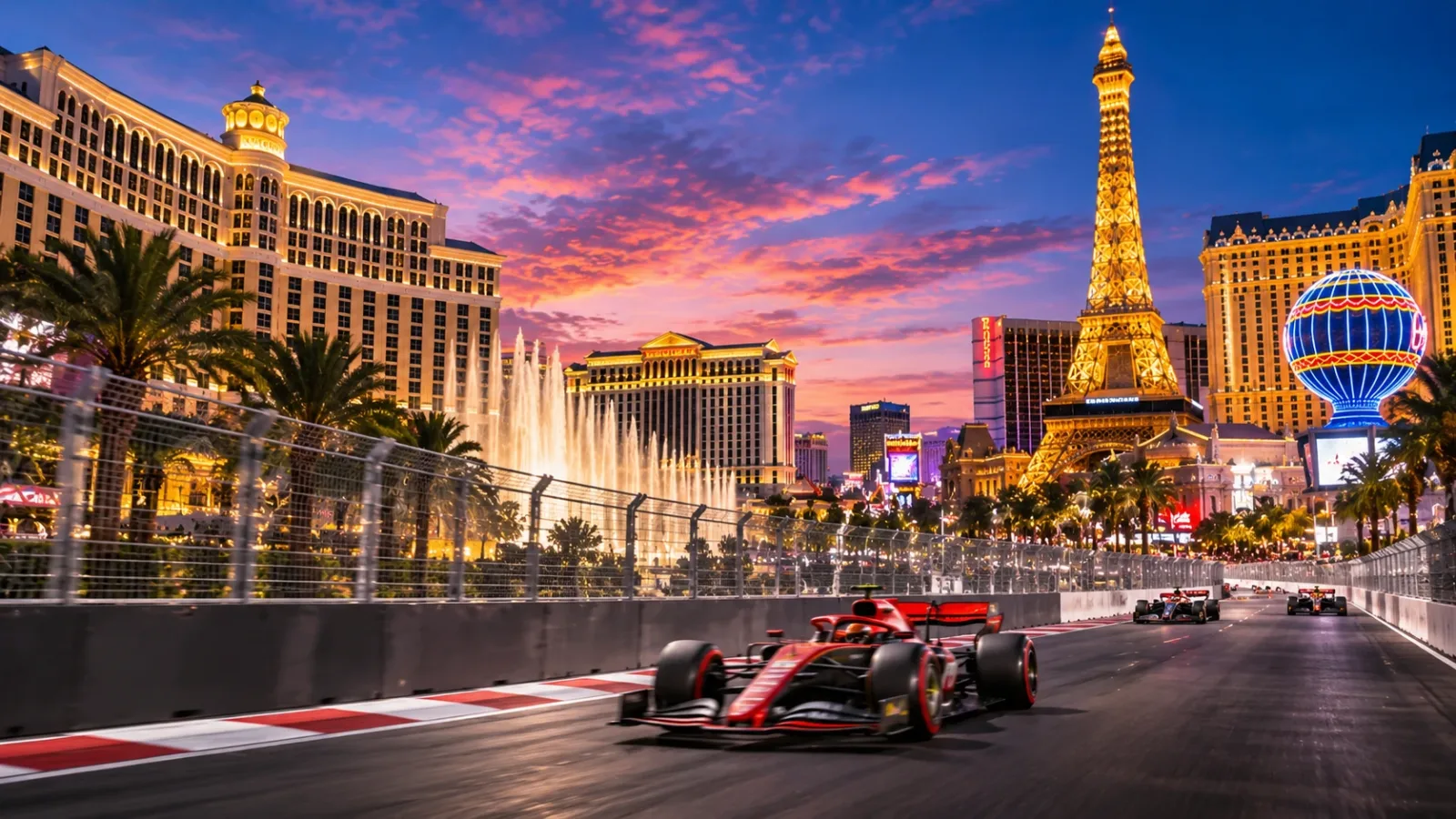
라스베가스 그랑프리 2026: F1 레이스 위크 동안 라스베가스 방문
Formula 1은 2026년 11월 19~21일 토요일 밤에 라스베이거스 스트립으로 돌아옵니다. 경주 주간 동안 도시의 변화와 방문 계획 방법은 다음과 같습니다.
가이드 읽기 3분
GTA 6 출시: Vice City와 Leonida 뒤의 실제 플로리다 장소
Grand Theft Auto VI는 2026년 11월 19일 전 세계적으로 출시됩니다. 가상의 Leonida 상태는 플로리다를 기반으로 하고 있으므로 지도에 영감을 준 실제 장소와 방문 방법은 다음과 같습니다.
가이드 읽기 →
 2분
2026년 새해 전야: 초과 지불 없이 지금 도시 여행을 계획하는 방법
새해 전야가 6주 앞으로 다가왔습니다. 인기 도시의 최고의 호텔과 이벤트가 빠르게 채워집니다. 도시 선택부터 불꽃놀이까지, 지금 새해 도시 여행을 예약하기 위한 실용적인 계획을 소개합니다.
가이드 읽기 →
새 가이드를 메일로
읽을 만한 글이 있을 때만 보내드립니다.
-
이스탄불 공항(IST)은 중심부 지역 밖에 위치해 있습니다. Havaist 공항 셔틀, 지하철, 택시 또는 개인 교통편을 이용해 도시로 이동할 수 있습니다. 최선의 선택은 목적지, 예산, 도착 시간에 따라 다릅니다.
-
Yes. Imperial palaces, world-class art, classical music, coffee houses and excellent public transport make Vienna a rewarding city break.
-
이스탄불은 지하철 노선, 트램, 버스, 페리 및 케이블카를 포함한 광범위한 대중 교통 네트워크를 제공합니다. 대중교통은 특히 교통량이 많은 시간대에 도시를 둘러볼 수 있는 가장 편리한 방법입니다.
-
Schönbrunn Palace, the Hofburg, St Stephen's Cathedral, the Belvedere, the Kunsthistorisches Museum and the State Opera.
-
이스탄불카르트(Istanbulkart)는 지정된 자동 판매기 및 지하철역, 공항 및 기타 교통 허브의 판매 지점에서 구입할 수 있습니다. 카드를 충전하여 이스탄불 전역의 대부분의 대중교통 서비스에 사용할 수 있습니다.
-
Three days is ideal for a first visit. Add a day for the Wachau Valley or Bratislava.
-
페리, 마르마라이(Marmaray), 지하철 연결 및 버스를 이용해 두 대륙 사이를 여행할 수 있습니다. 페리는 보스포러스 해협을 경험하고 바다에서 도시를 보고 싶어하는 방문객에게 특히 즐겁습니다.
-
April to June and September to October for pleasant weather; mid-November to December for the Christmas markets.
-
3~5일은 이스탄불의 주요 명소를 탐험하기에 충분한 시간입니다. 이를 통해 술탄아흐메트를 방문하고, 다양한 지역을 발견하고, 보스포러스 크루즈를 즐기고, 서두르지 않고 도시의 양쪽을 모두 경험할 수 있습니다.
-
The euro. Cards are widely accepted, but carry some cash for small cafés and market stalls.
-
티켓을 미리 예약하면 특히 관광 성수기에는 줄을 서지 않고 선호하는 방문 시간을 확보하는 데 도움이 됩니다. 톱카프 궁전, 예레바탄 사라이 및 기타 인기 랜드마크 등의 명소에 대한 공식 티켓 정보를 확인하세요.
-
Take the City Airport Train or the S7 to Wien Mitte, or an ÖBB train to the main station. Buses, taxis and transfers are also available.
-
방문객들은 모스크에 들어갈 때 정중한 옷차림을 해야 합니다. 어깨와 무릎은 일반적으로 가려져야 하며, 여성은 머리를 가려야 할 수도 있습니다. 일부 모스크 입구에서는 머리 스카프 및 기타 덮개를 사용할 수 있습니다.
-
One ticket covers the U-Bahn, trams and buses in the city. Single tickets and 24-, 48- and 72-hour tickets are available.
-
인기 출발 지점으로는 Eminonu, Kabatas 및 Besiktas가 있습니다. 방문객들은 공공 페리 여행, 단기 관광 크루즈, 장기 보스포러스 투어 중에서 선택할 수 있습니다. 체험을 선택하기 전에 출발 장소와 소요 시간을 비교해보세요.
-
Yes, Vienna is one of Europe's safest capitals. Just watch your belongings in crowded places.
-
Kadikoy와 Moda는 카페, 식품 시장, 해변 산책으로 유명합니다. 발라트(Balat)는 다채로운 거리와 유서 깊은 건축물로 유명한 반면, 쿠즈군주크(Kuzguncuk)는 전통 가옥과 동네 카페가 있어 좀 더 조용한 분위기를 제공합니다.
-
German. English is widely spoken in hotels, restaurants and shops in the centre.
-
신용카드와 직불카드는 호텔, 레스토랑, 쇼핑몰, 대규모 사업장에서 널리 사용됩니다. 그러나 일부 터키 리라를 현금으로 소지하는 것은 소규모 상점, 지역 시장 및 특정 독립 사업체에 유용합니다.
-
Wiener Schnitzel, Tafelspitz, Sachertorte, Apfelstrudel and Kaiserschmarrn, plus a sausage from a Würstelstand.
-
Try a Melange, similar to a cappuccino, or an Einspänner, black coffee topped with whipped cream.
-
Rounding up or leaving around 10% for good service is common. Tell the waiter the total when you pay.
-
Most shops are closed on Sundays, except at major stations and the airport. Museums and cafés are usually open.
-
Yes. Vienna's tap water comes from Alpine springs and is safe and delicious.
-
The Innere Stadt (1st district) for sightseeing on foot, or Leopoldstadt, Landstrasse and Neubau for good value and transport links.
-
The Wachau Valley with Melk Abbey, Bratislava, Salzburg, the Vienna Woods and, for a longer day, Hallstatt.
-
From mid-November through December, in squares such as in front of the City Hall, at Schönbrunn and in Spittelberg. Check exact dates each year.
-
Yes. The State Opera, concert halls and churches host performances throughout the year; book ahead for popular dates.
-
Type C and F plugs at 230 V.
-
112, the European emergency number.
여행 경험, 실제 이야기
모든 여행에는 이야기가 담겨 있습니다.
최고의 여행 통찰력은 그곳에 가본 사람들로부터 나옵니다. 여행자 피드백을 살펴보고 사람들이 멋진 장소를 찾고, 경험을 비교하고, 자신 있게 여행을 계획하는 데 TripSpoiler가 어떻게 도움이 되는지 알아보세요.

리뷰 작성
여러분의 경험이 다른 여행자의 계획에 도움이 됩니다.
감사합니다!
후기가 전송되었습니다. 승인 후 사이트에 표시됩니다.