次の目的地
Vienna Austria Vienna travel guide: palaces, coffee houses and music
Vienna is a city of imperial palaces, grand boulevards and legendary coffee houses, where Habsburg history, world-class art and classical music meet everyday Austrian charm. Tour Schönbrunn and the Hofburg, see Klimt's masterpieces, take a slice of Sachertorte and end the evening at the opera or a wine tavern. This guide helps you plan the best things to do in Vienna, where to stay, how to get around and which day trips are worth it.

Vienna の基本情報
| ベストシーズン | April–June and September–October for pleasant weather; mid-November to December for the Christmas markets |
|---|---|
| おすすめ日数 | 3 days for the palaces, the old town and the museums; add a day for the Wachau Valley or Bratislava |
| 空港から中心部へ | Vienna International Airport (VIE): City Airport Train or S-Bahn S7 to Wien Mitte, or trains to the main station |
| 市内の移動 | U-Bahn, trams and buses on one ticket; 24-, 48- and 72-hour tickets available |
| 通貨 | Euro (EUR); cards are widely accepted, but carry some cash for small places |
| 言語 | German; English is widely spoken in the centre |
|---|---|
| チップ | Round up or leave around 10% for good service |
| コンセントと電圧 | Type C and F plugs, 230 V |
| 緊急番号 | 112 |
料金や所要時間は目安で、変更されることがあります。旅行前に公式情報をご確認ください。
見どころ
01 / 10
Best things to see in Vienna
約2分で読めます
Vienna was the capital of the Habsburg empire for centuries, and it shows: palaces, grand museums and elegant boulevards are everywhere. Most of the highlights are in or around the historic centre, the Innere Stadt, which is ringed by the famous Ringstrasse.
Schönbrunn Palace
The Habsburgs' summer residence is Vienna's most visited sight. Tour the state rooms where Empress Maria Theresa and Emperor Franz Joseph lived, then walk through the formal gardens up to the Gloriette for a view over the palace and the city. The grounds also hold Schönbrunn Zoo, often described as the oldest zoo in the world still operating.
The Hofburg
The imperial winter palace in the centre is a whole complex. Visit the Imperial Apartments, the Sisi Museum about Empress Elisabeth and the imperial silver collection. The Hofburg is also home to the Spanish Riding School and the Imperial Treasury.
St Stephen's Cathedral
Stephansdom, with its patterned tiled roof and soaring Gothic tower, is the symbol of Vienna. Climb the south tower's stairs or take the lift up the north tower for views over the old town.
Art and museums
- Belvedere: a Baroque palace that holds Gustav Klimt's famous painting The Kiss.
- Kunsthistorisches Museum: one of the world's great art museums, in a magnificent building.
- MuseumsQuartier: modern art and the Leopold Museum, with works by Schiele and Klimt.
- Albertina: a palace with major collections of prints, drawings and modern art.
More places worth your time
- Vienna State Opera: one of the world's leading opera houses; guided tours are available too.
- The Prater and the Giant Ferris Wheel: a historic wheel with views over the city.
- Hundertwasserhaus: a colourful, curving apartment building.
- Karlskirche: a Baroque church with a great green dome.
- The Ringstrasse: ride a tram around the grand boulevard lined with landmarks.
Tip: if you plan to see many sights, compare a city pass or combined ticket with buying each entry separately.
食べ物と飲み物
02 / 10
What to eat and drink in Vienna
約2分で読めます
Viennese food is rich, comforting and full of history, shaped by the many cultures of the old empire. And then there are the cakes and the coffee houses, which are an institution in their own right.
Classic dishes
- Wiener Schnitzel: a thin, breaded and fried veal cutlet, usually with potato salad and lemon. Versions made with pork are called Schnitzel Wiener Art.
- Tafelspitz: boiled beef served with broth, apple-horseradish sauce and chive sauce.
- Gulasch: a Viennese take on goulash, often eaten with bread or dumplings.
- Knödel: dumplings in many forms, savoury and sweet.
Cakes and desserts
- Sachertorte: a dense chocolate cake with apricot jam, served with whipped cream.
- Apfelstrudel: thin pastry rolled around spiced apple.
- Kaiserschmarrn: torn, fluffy pancake with powdered sugar and fruit compote.
- Topfenstrudel: a strudel filled with sweet curd cheese.
Coffee house culture
Vienna's coffee houses are places to linger for hours with a newspaper. Order a Melange (similar to a cappuccino) or an Einspänner (black coffee topped with whipped cream). Your coffee usually comes with a small glass of water.
Street food and markets
A Würstelstand (sausage stand) is a Viennese classic, especially late at night; try a Käsekrainer, a sausage filled with cheese. The Naschmarkt is the city's most famous market, with food stalls and restaurants from many cuisines.
Wine taverns
Vienna is one of the few capitals with vineyards inside the city limits. Visit a Heuriger, a traditional wine tavern on the city's outskirts, for young local wine and a simple buffet. Look for a Grüner Veltliner, Austria's best-known white grape.
Tips
- Many restaurants offer a good-value weekday lunch menu (Mittagsmenü).
- Book ahead for popular restaurants, especially at weekends.
- Tell the waiter the total including tip when you pay.
どこに泊まるか
03 / 10
Where to stay in Vienna
約2分で読めます
Vienna is divided into numbered districts (Bezirke), with the 1st district, the Innere Stadt, at the centre. Public transport is excellent, so you can stay in many areas and still reach the sights quickly.
Innere Stadt (1st district)
The historic heart, inside the Ringstrasse. You will be close to St Stephen's Cathedral, the Hofburg and the Opera, with elegant shopping streets on your doorstep. It is the most convenient choice but also the most expensive.
Leopoldstadt (2nd district)
Across the Danube Canal, close to the centre and to the Prater park. It mixes residential streets, the lively Karmelitermarkt and good transport links, often at better prices than the 1st district.
Landstrasse (3rd district)
Home to the Belvedere and the Hundertwasserhaus. It is well connected to the airport via Wien Mitte station, which makes it practical for short stays.
Wieden and Mariahilf (4th and 6th districts)
Around the Naschmarkt and Karlsplatz, these districts are lively, with cafés, bars and restaurants. Mariahilfer Strasse is the city's main shopping street.
Neubau and Josefstadt (7th and 8th districts)
- Neubau: creative and trendy, with independent shops, the Spittelberg quarter and the MuseumsQuartier nearby.
- Josefstadt: quiet and elegant, with a local, residential feel.
Near the main station
The area around Wien Hauptbahnhof (10th district) has many modern hotels and is handy if you arrive or leave by train, though it is less atmospheric.
Tips for booking
- Check the nearest U-Bahn or tram stop rather than relying on the word "central".
- Book early for the Christmas market season and the ball season in winter.
- A city tax is charged per person per night; check whether it is included in your price.
移動手段
04 / 10
Getting around Vienna
約2分で読めます
Vienna has one of the best public transport networks in Europe. The U-Bahn, trams and buses are clean, punctual and frequent, and one ticket covers them all within the city.
U-Bahn
The underground has five lines, U1, U2, U3, U4 and U6, each with its own colour. Stephansplatz, Karlsplatz and Westbahnhof are major interchange points. Trains run very frequently during the day, and on Friday and Saturday nights and the night before public holidays the U-Bahn runs through the night.
Trams
Trams are a pleasant way to see the city. Lines run around the Ringstrasse, so you can pass the Opera, the Hofburg, the Parliament and the City Hall from your window. Night buses take over after the trams stop.
Tickets
- Single tickets, and 24-, 48- and 72-hour tickets, are available, as well as a weekly ticket.
- Buy tickets from machines in stations, at ticket offices or in the official Wiener Linien app.
- Some paper tickets must be validated in the blue machines before your first ride; check the instructions on your ticket.
- There are no ticket gates, but inspectors check regularly and fines are given on the spot.
- Check current ticket types and prices before you go.
Walking and cycling
The Innere Stadt is compact and best explored on foot. Vienna also has many bike lanes and a city bike-sharing scheme. Be careful not to walk in cycle lanes, which are often marked on the pavement.
Taxis and ride-hailing
Taxis are metered and ride-hailing apps are widely used. They are useful late at night or with luggage.
Good to know
- Locals keep quiet on public transport and stand on the right on escalators.
- Wait for the green light before crossing the road; jaywalking is frowned upon.
- Many sights outside the centre, like Schönbrunn, are easy to reach by U-Bahn.
空港から
05 / 10
Getting from Vienna Airport to the city centre
約2分で読めます
Vienna International Airport (VIE) is in Schwechat, about 18 km southeast of the city centre. Getting into town is quick and easy, with several train options as well as buses and taxis.
City Airport Train (CAT)
The City Airport Train is a non-stop express train to Wien Mitte station in the 3rd district. It is the fastest way to the centre, taking around a quarter of an hour. It uses its own fare, so check the price before you travel.
S-Bahn S7
The S7 commuter train also runs to Wien Mitte and on to other stations. It takes a little longer than the CAT because it stops along the way, but it is the budget-friendly option. You need a ticket that covers the journey from the airport, which lies outside the city's core zone; check at the machine which ticket you need.
Trains to the main station
Austrian Federal Railways (ÖBB) trains, including Railjet services, connect the airport with Wien Hauptbahnhof, the main railway station. This is handy if your hotel is in the south of the city or you are continuing by train.
Airport buses
Airport buses run to several points in the city, including the main stations. They are a good choice if they stop close to your hotel.
Taxis and transfers
Taxis and ride-hailing apps are available outside the arrivals hall, and the drive into town usually takes 20–40 minutes depending on traffic. A pre-booked private transfer is the most relaxed choice with children or heavy luggage.
Tips
- Wien Mitte connects to U-Bahn lines U3 and U4, so you can easily continue to your hotel.
- Buy and, if needed, validate your ticket before boarding.
- Timetables and fares change, so check them before you travel.
いつ行くか
06 / 10
When is the best time to visit Vienna?
約2分で読めます
Vienna is a year-round destination. Every season has its highlights, from spring gardens and summer festivals to Christmas markets and the winter ball season.
Spring (April–May)
Spring is one of the loveliest times to visit. The palace gardens at Schönbrunn and the Belvedere bloom, café terraces open and the weather is ideal for walking. Easter markets appear in several squares.
Summer (June–August)
Summer brings long, warm days and an outdoor lifestyle. Locals swim and relax on the Danube Island, and a popular open-air film and music festival fills the square in front of the City Hall in July and August. It can get hot, and some classical venues take a summer break, so check concert schedules.
Autumn (September–October)
Autumn is mild and colourful, with fewer crowds than summer. It is wine season: the Heurigen on the edge of the city serve young wine, and the hills of the Vienna Woods turn golden. The cultural season of opera and concerts begins again.
Winter (November–March)
Winters are cold, sometimes with snow, but Vienna is at its most atmospheric. From mid-November, Christmas markets fill squares such as the one in front of the City Hall, at Schönbrunn and in Spittelberg. January and February are the heart of the famous ball season, and it is a great time for museums and cosy coffee houses.
At a glance
- Best weather: May, June, September.
- Most festive: late November to December.
- Quietest: January and February (outside major events).
Good to know
- Many shops are closed on Sundays, but museums and cafés are usually open.
- Book hotels early for December and major events.
- Opening hours of some sights are shorter in winter; check before you go.
旅程
07 / 10
Vienna itineraries: how to spend 2, 3 or 4 days
約2分で読めます
Three days is a great amount of time for a first visit to Vienna: enough for the imperial palaces, the major museums, a concert and plenty of coffee and cake. Here is a simple plan to adapt to your pace.
Day 1: The historic centre
- Morning: start at St Stephen's Cathedral and climb one of its towers.
- Midday: stroll along the Graben and Kohlmarkt to the Hofburg; visit the Imperial Apartments and the Sisi Museum.
- Afternoon: take a coffee and cake break in a traditional coffee house.
- Evening: see the State Opera, or ride a tram around the illuminated Ringstrasse.
Day 2: Schönbrunn and the Belvedere
- Morning: take the U-Bahn to Schönbrunn Palace; tour the state rooms early, before the crowds.
- Late morning: walk through the gardens up to the Gloriette for the view.
- Afternoon: head to the Belvedere to see Klimt's The Kiss.
- Evening: dinner around the Naschmarkt.
Day 3: Museums and the Prater
- Morning: the Kunsthistorisches Museum or the MuseumsQuartier.
- Afternoon: see the colourful Hundertwasserhaus, then ride the Giant Ferris Wheel in the Prater.
- Evening: a classical concert, or a Heuriger wine tavern on the edge of the city.
Only 2 days?
Combine the old town and the Hofburg on day one, and Schönbrunn and the Belvedere on day two. Save one evening for music.
4 days or more
Add a day trip: the Wachau Valley with Melk Abbey, or Bratislava, which is about an hour away. You could also explore the Vienna Woods or spend more time in museums.
Itinerary tips
- Book timed tickets for Schönbrunn and popular museums in busy months.
- A 48- or 72-hour transport ticket makes moving around easy.
- Remember that most shops close on Sundays.
日帰り旅行
08 / 10
Best day trips from Vienna
約2分で読めます
Vienna sits at the heart of Central Europe, so vineyards, abbeys, alpine towns and even other capitals are within easy reach. Here are the most rewarding day trips.
The Wachau Valley and Melk Abbey
West of Vienna, the Danube flows through the Wachau Valley, a UNESCO-listed landscape of vineyards, apricot orchards and castle ruins. The magnificent Baroque Melk Abbey sits above the river, and the village of Dürnstein is known for its blue church tower and the ruins where Richard the Lionheart was once held. In season, river cruises link the towns.
Bratislava
Slovakia's capital is about an hour away by train, and boats also run along the Danube in season. Explore its compact old town, the castle on the hill and the riverside promenade.
Salzburg
Mozart's birthplace is a long day trip, around two and a half hours each way by train. Its Baroque old town, fortress and mountain backdrop make it worth the journey if you have the time.
The Vienna Woods
The Wienerwald starts at the city's edge. Hike or take a bus up to the Kahlenberg for a view over Vienna and the Danube, or visit Heiligenkreuz Abbey and the surrounding villages.
Budapest
Hungary's capital is about two and a half hours by train. It is possible as a long day trip, but most visitors prefer to stay at least one night.
Hallstatt
The famous lakeside village is beautiful but far, so it is a very long day. A guided tour is the easiest option.
Tips
- Leave early for longer trips and check return train times.
- Wachau river cruises run seasonally; check dates before you go.
- Bring your passport or ID when crossing borders.
ショッピングとマーケット
09 / 10
Shopping and markets in Vienna
約2分で読めます
Vienna is a great city for shopping, from luxury boutiques and traditional craftsmen to markets and seasonal Christmas stalls.
Where to shop
- Kärntner Strasse and the Graben: pedestrian streets in the old town, with international brands and historic shops.
- Kohlmarkt: luxury fashion and jewellery in elegant surroundings.
- Mariahilfer Strasse: the city's main high street, long and busy with shops of every kind.
- Neubau: independent designers, concept stores and vintage shops.
Markets
- Naschmarkt: Vienna's most famous market, with food stalls, spices and restaurants. On Saturdays a flea market sets up nearby.
- Karmelitermarkt: a more local market in Leopoldstadt.
- Christmas markets: from mid-November, squares such as the one in front of the City Hall, at Schönbrunn and in Spittelberg fill with crafts, decorations and mulled wine.
What to buy
- Sweets: boxed Sachertorte, Mozart chocolates and wafer biscuits.
- Coffee: beans or blends from a traditional roaster.
- Porcelain and glass: Vienna has a long tradition of fine porcelain and glassware.
- Wine: a bottle of Grüner Veltliner from Austria's wine regions.
- Traditional clothing: dirndls and other traditional garments in specialist shops.
Shopping tips
- Most shops are closed on Sundays; shops at major stations and the airport are the main exception.
- Cards are widely accepted, but carry some cash for market stalls.
- If you live outside the EU, ask about tax-free shopping when you spend above the minimum amount.
実践的なヒント
10 / 10
Practical tips for visiting Vienna
約2分で読めます
Vienna regularly ranks among the world's most liveable cities. It is safe, clean and easy to navigate, and a few tips will help you feel at home quickly.
Money
- Austria uses the euro.
- Cards are widely accepted, but some smaller cafés, sausage stands and market stalls still prefer cash.
- When paying, tell the waiter the total including tip rather than leaving coins on the table.
Language and etiquette
The official language is German, spoken with a distinctive Austrian flavour. English is widely understood in the centre. Greet people with Grüß Gott or Guten Tag, and say Danke for thank you. Viennese life can feel formal and polite; quiet behaviour on public transport is appreciated.
Tipping
Rounding up or leaving around 10% for good service in restaurants and cafés is common.
Safety
Vienna is very safe. As in any big city, watch your belongings in crowded places such as the U-Bahn, the Christmas markets and around St Stephen's Cathedral.
Useful information
- Emergency number: 112.
- Electricity: 230 V; type C and F plugs.
- Water: tap water comes from Alpine springs and is safe and delicious to drink.
- Sundays: most shops are closed, so plan shopping for other days.
- Entry: Austria is in the EU and the Schengen Area; check the entry rules for your nationality.
Save time and money
- Buy a 24-, 48- or 72-hour transport ticket if you will travel a lot.
- Compare city passes and combined tickets with single entries.
- Book timed tickets for Schönbrunn and popular museums in advance.
- Eat your main meal at lunch to take advantage of weekday lunch menus.
天気
Viennaの天気
Vienna · 現在 01:45
9°
晴れ時々曇り
最高 12° / 最低 8°
- 風
- 26 km/h
- 湿度
- %70
- 日の出
- 07:08
- 日の入り
- 16:11
Vienna · 土曜日, 21 11月
10°
晴れ
最高 10° / 最低 3°
- 風
- 26 km/h
- 降水量
- 1,8 mm
- 日の出
- 07:10
- 日の入り
- 16:10
Vienna · 日曜日, 22 11月
6°
晴れ時々曇り
最高 6° / 最低 1°
- 風
- 11 km/h
- 降水量
- 0 mm
- 日の出
- 07:11
- 日の入り
- 16:09
Vienna · 月曜日, 23 11月
4°
曇り
最高 4° / 最低 1°
- 風
- 23 km/h
- 降水量
- 0,1 mm
- 日の出
- 07:13
- 日の入り
- 16:08
Vienna · 火曜日, 24 11月
3°
晴れ時々曇り
最高 3° / 最低 0°
- 風
- 26 km/h
- 降水量
- 0 mm
- 日の出
- 07:14
- 日の入り
- 16:07
Vienna · 水曜日, 25 11月
2°
晴れ
最高 2° / 最低 -3°
- 風
- 9 km/h
- 降水量
- 0 mm
- 日の出
- 07:15
- 日の入り
- 16:06
Vienna · 木曜日, 26 11月
1°
曇り
最高 1° / 最低 -4°
- 風
- 13 km/h
- 降水量
- 0,8 mm
- 日の出
- 07:17
- 日の入り
- 16:06
7日間の予報
今日は何を着る?
- 雨の予報なし 傘はいりません。
- 夜は涼しい 薄手のジャケットを持って行きましょう。
土曜日は何を着る?
- 雨の予報 傘かレインジャケットを忘れずに。
- 寒い日 暖かいコート、マフラー、ニット帽が役立ちます。
日曜日は何を着る?
- 雨の予報なし 傘はいりません。
- 寒い日 暖かいコート、マフラー、ニット帽が役立ちます。
月曜日は何を着る?
- 雨の予報なし 傘はいりません。
- 寒い日 暖かいコート、マフラー、ニット帽が役立ちます。
火曜日は何を着る?
- 雨の予報なし 傘はいりません。
- 寒い日 暖かいコート、マフラー、ニット帽が役立ちます。
水曜日は何を着る?
- 雨の予報なし 傘はいりません。
- 寒い日 暖かいコート、マフラー、ニット帽が役立ちます。
木曜日は何を着る?
- 雨の予報なし 傘はいりません。
- 寒い日 暖かいコート、マフラー、ニット帽が役立ちます。
00:21更新 · 出典: MET Norway
現地時間
Viennaの時刻
01:4521
金曜日, 20 11月
Europe/Vienna · UTC+1
あなたの時刻
- 日の出
- 07:08
- 日の入り
- 16:11
- UTCとの差
- UTC+1 · CET
- 夏時間
- 28 3月 → UTC+2
電話に適した時間:
ジャーナルより
ガイド: Vienna
何をどう見るか決めるための、実用的で正直なガイド。
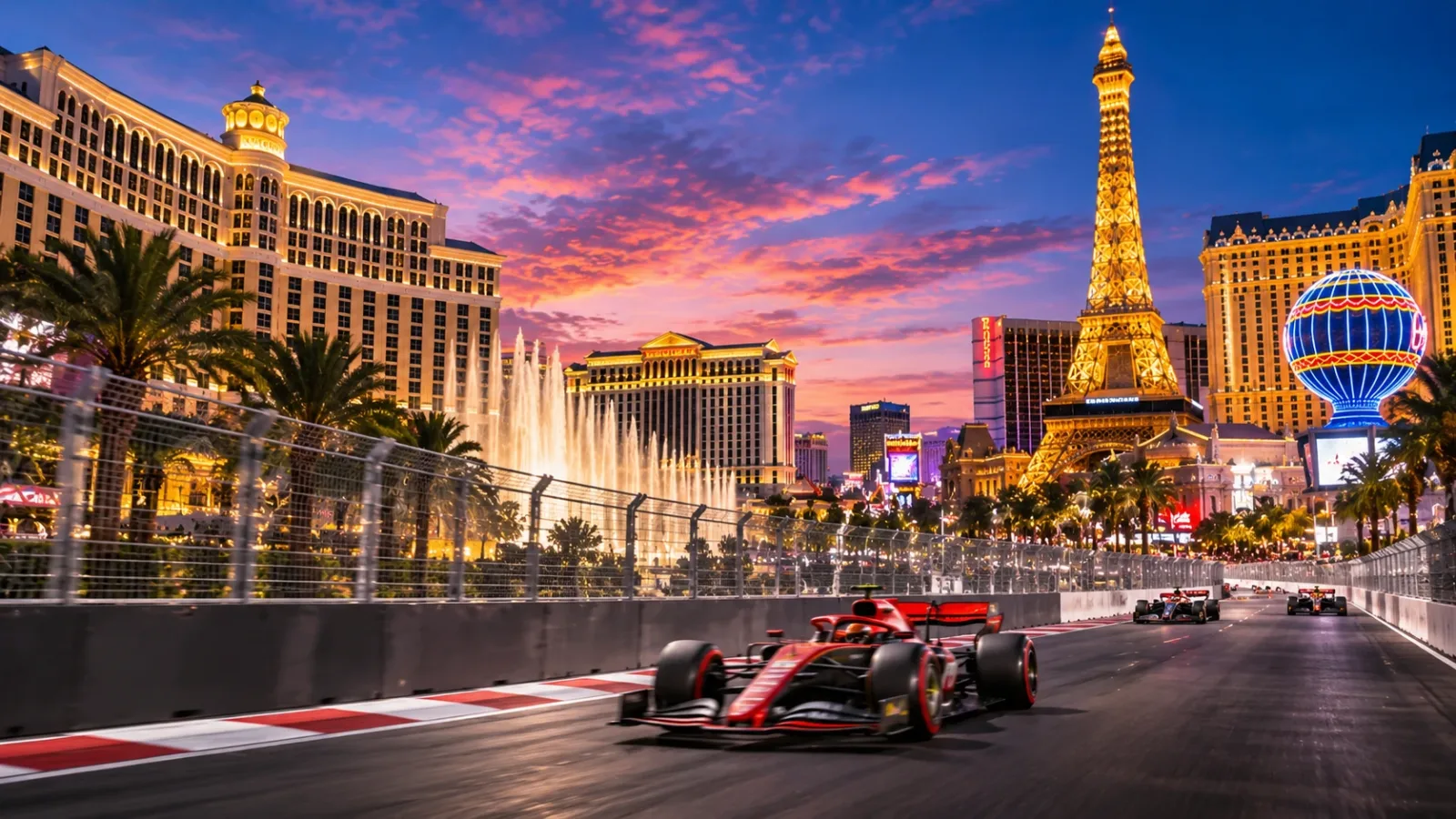
ラスベガス グランプリ 2026: F1 レースウィーク中のラスベガス訪問
F1は2026年11月19~21日にラスベガス・ストリップに戻り、土曜の夜にレースが行われる。レースウィーク中に街で何が変わるのか、そして訪問の計画を立てる方法は次のとおりです。
ガイドを読む 3分
GTA 6 が登場: バイスシティとレオニダの背後にある本当のフロリダ
『グランド・セフト・オート VI』は、2026 年 11 月 19 日に世界中で公開されます。その架空の州であるレオニダはフロリダに基づいているため、マップのインスピレーションとなった実際の場所とその訪問方法をここに示します。
ガイドを読む →
 2分
2026 年の大晦日: 払いすぎずに今すぐ市内旅行を計画する方法
大晦日まであと 6 週間ですが、人気の都市では最高のホテルやイベントがすぐに埋まってしまいます。都市選びから花火まで、今すぐ予約できる年末年始の市内旅行の実践プランをご紹介します。
ガイドを読む →
新しいガイドをメールで
読む価値のある記事があるときだけお届けします。
-
イスタンブール空港 (IST) は中心地区の外にあります。市内へは、ハヴァイスト空港シャトル、地下鉄、タクシー、専用送迎をご利用いただけます。最適なオプションは目的地、予算、到着時間によって異なります。
-
Yes. Imperial palaces, world-class art, classical music, coffee houses and excellent public transport make Vienna a rewarding city break.
-
イスタンブールには、地下鉄、トラム、バス、フェリー、ケーブルカーなどの公共交通機関が充実しています。公共交通機関は、特に交通量の多い時間帯には、市内を探索するのに最も便利な方法です。
-
Schönbrunn Palace, the Hofburg, St Stephen's Cathedral, the Belvedere, the Kunsthistorisches Museum and the State Opera.
-
イスタンブールカートは、指定された自動販売機や、地下鉄駅、空港、その他の交通機関の拠点にある販売所で購入できます。このカードはチャージしてイスタンブール中のほとんどの公共交通機関で使用できます。
-
Three days is ideal for a first visit. Add a day for the Wachau Valley or Bratislava.
-
2 つの大陸間の移動には、フェリー、マルマライ、地下鉄、バスを利用できます。フェリーは、ボスポラス海峡を体験し、水上から街を眺めたい訪問者にとって特に楽しいものです。
-
April to June and September to October for pleasant weather; mid-November to December for the Christmas markets.
-
イスタンブールの主な観光スポットを探索するには、3 ~ 5 日が十分な時間です。これにより、急ぐことなくスルタンアフメットを訪れ、さまざまな地域を探索し、ボスポラス海峡クルーズを楽しみ、街の両側を体験することができます。
-
The euro. Cards are widely accepted, but carry some cash for small cafés and market stalls.
-
チケットを事前に予約すると、特に観光シーズンのピーク時に、行列を避け、希望の訪問時間を確保することができます。トプカプ宮殿、バシリカ シスタン、その他の人気ランドマークなどの観光スポットの公式チケット情報をご確認ください。
-
Take the City Airport Train or the S7 to Wien Mitte, or an ÖBB train to the main station. Buses, taxis and transfers are also available.
-
訪問者はモスクに入るときは敬意を持った服装をする必要があります。肩と膝は一般的に覆われるべきであり、女性は髪を覆うように求められる場合があります。一部のモスクの入り口では、スカーフやその他の覆いが入手できる場合があります。
-
One ticket covers the U-Bahn, trams and buses in the city. Single tickets and 24-, 48- and 72-hour tickets are available.
-
人気の出発地には、エミノニュ、カバタシュ、ベシクタシュなどがあります。訪問者は、公共フェリーの旅、短期の観光クルーズ、長期のボスポラス海峡ツアーからお選びいただけます。体験を選択する前に、出発地と所要時間を比較してください。
-
Yes, Vienna is one of Europe's safest capitals. Just watch your belongings in crowded places.
-
カドゥキョイとモーダは、カフェ、食品市場、海辺の散歩で人気です。バラットはカラフルな通りと歴史的建造物で知られ、クズグンチュクは伝統的な家屋や近所のカフェがあり静かな雰囲気を漂わせています。
-
German. English is widely spoken in hotels, restaurants and shops in the centre.
-
クレジット カードとデビット カードは、ホテル、レストラン、ショッピング モール、大企業で広く受け入れられています。ただし、小規模な店舗、地元の市場、および特定の独立したビジネスでは、トルコ リラを現金で持ち歩くと便利です。
-
Wiener Schnitzel, Tafelspitz, Sachertorte, Apfelstrudel and Kaiserschmarrn, plus a sausage from a Würstelstand.
-
Try a Melange, similar to a cappuccino, or an Einspänner, black coffee topped with whipped cream.
-
Rounding up or leaving around 10% for good service is common. Tell the waiter the total when you pay.
-
Most shops are closed on Sundays, except at major stations and the airport. Museums and cafés are usually open.
-
Yes. Vienna's tap water comes from Alpine springs and is safe and delicious.
-
The Innere Stadt (1st district) for sightseeing on foot, or Leopoldstadt, Landstrasse and Neubau for good value and transport links.
-
The Wachau Valley with Melk Abbey, Bratislava, Salzburg, the Vienna Woods and, for a longer day, Hallstatt.
-
From mid-November through December, in squares such as in front of the City Hall, at Schönbrunn and in Spittelberg. Check exact dates each year.
-
Yes. The State Opera, concert halls and churches host performances throughout the year; book ahead for popular dates.
-
Type C and F plugs at 230 V.
-
112, the European emergency number.
旅行の経験、実話
すべての旅には語るべき物語があります。 a story to tell.
旅行に関する最高の洞察は、そこを訪れた人から得られます。旅行者のフィードバックを調べて、人々が注目すべき場所を見つけ、体験を比較し、自信を持って旅行を計画するのに Tripspoiler がどのように役立っているかを確認してください。

レビューを書く
あなたの体験が、ほかの旅行者の計画に役立ちます。
ありがとうございます!
口コミを送信しました。承認後にサイトに表示されます。