Introduction
Hagia Sophia Istanbul: History, Architecture & Cultural Heritage
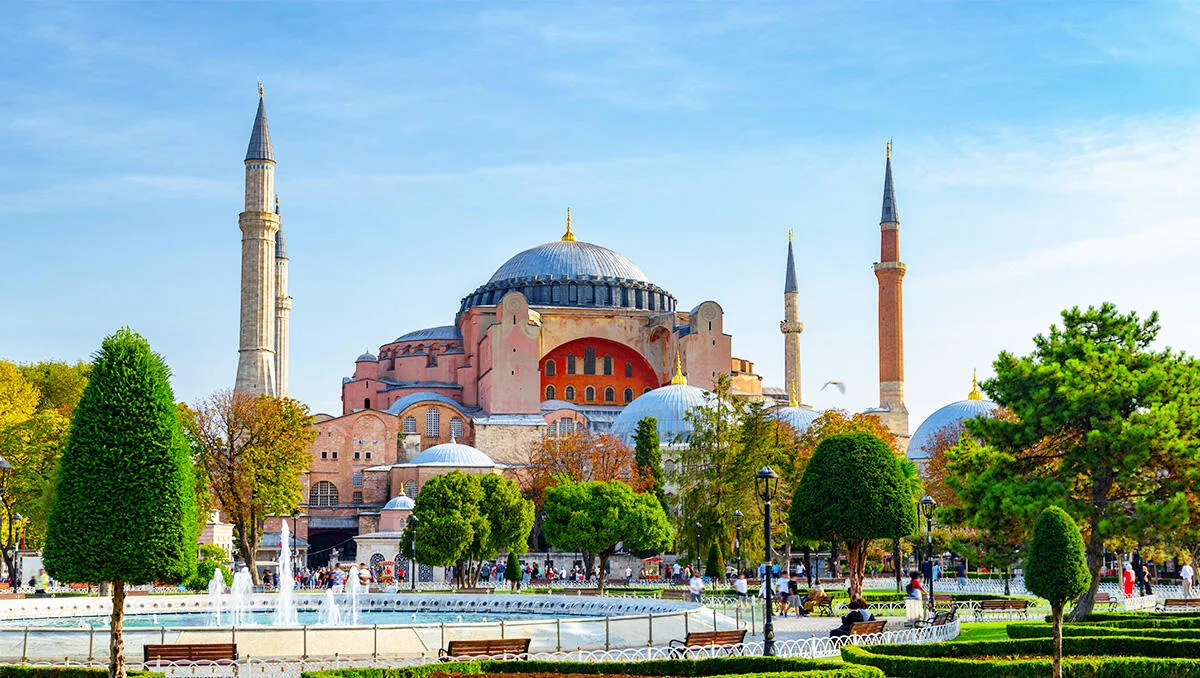
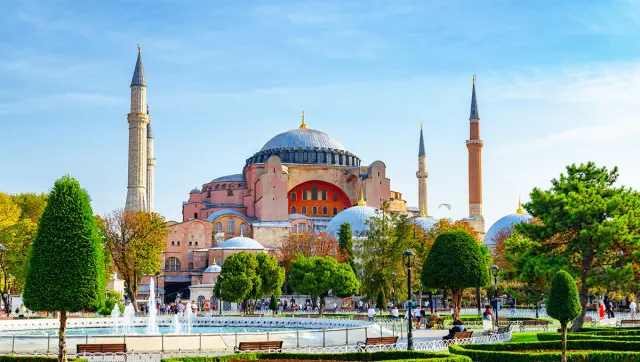
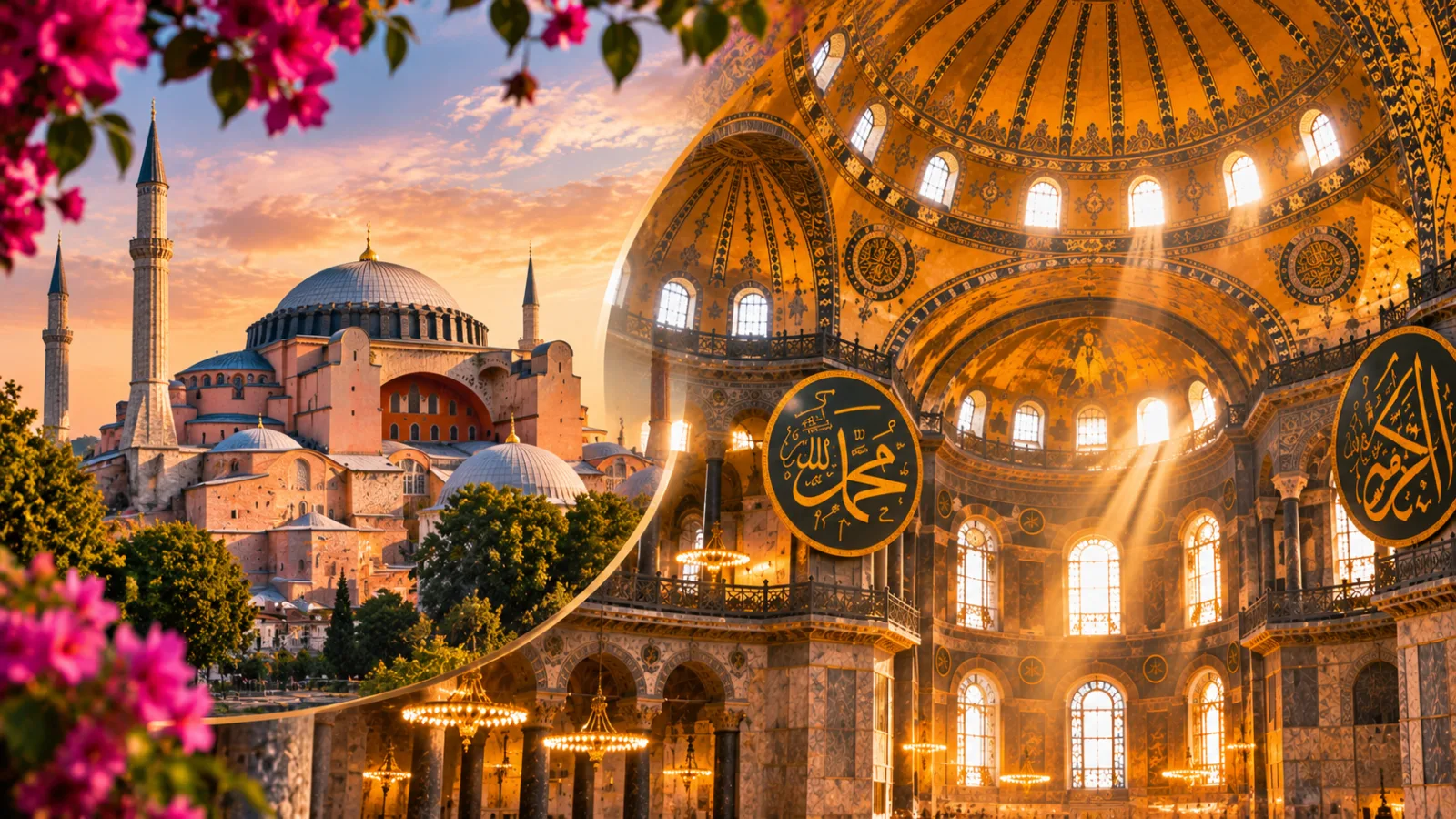
Standing beneath the magnificent dome of Hagia Sophia is an experience that connects visitors with nearly fifteen centuries of history. Located in Istanbul's historic Sultanahmet district, this extraordinary monument has witnessed the transformation of empires, religious traditions and architectural styles.
Hagia Sophia is not simply one of Istanbul's most recognisable landmarks. It is a remarkable meeting point of Byzantine and Ottoman heritage, where different periods of history remain visible within the same architectural space.
From its enormous central dome and golden Byzantine mosaics to its Ottoman calligraphy and marble interiors, every part of the building contributes to its remarkable identity.
Whether you are interested in architecture, history or planning your first visit to Istanbul, understanding the story behind Hagia Sophia will make your experience far more meaningful.
01 / 09 · 1 min read
1. The History of Hagia Sophia: From Constantinople to Istanbul
The present Hagia Sophia was commissioned by Byzantine Emperor Justinian I following the Nika Revolt of 532. Designed by Anthemius of Tralles and Isidore of Miletus, the building was completed in 537.
At the time, Constantinople was the capital of the Eastern Roman Empire. Emperor Justinian wanted to create a monumental church that would demonstrate the strength and ambition of his empire. The result was an architectural achievement that would influence religious buildings for centuries.
Hagia Sophia served as the principal cathedral of Constantinople for hundreds of years. During the Latin occupation between 1204 and 1261, it was also used as a Roman Catholic cathedral.
Another major transformation took place in 1453, when Sultan Mehmed II conquered Constantinople. Hagia Sophia was converted into an imperial mosque, beginning a new chapter in its history.
During the Ottoman period, the building received minarets, calligraphic panels and other architectural additions. Restoration and structural reinforcement projects also helped preserve the monument.
In 1935, Hagia Sophia opened as a museum. In 2020, it returned to mosque status and continues to function as an active place of worship today.
02 / 09 · 1 min read
2. The Architecture of Hagia Sophia: Understanding Its Magnificent Dome
The enormous central dome is perhaps the most recognisable feature of Hagia Sophia. Its impressive scale and the way it rises above the main interior create a remarkable sense of height and openness.
One of the most important architectural achievements is the use of pendentives. These curved triangular structures connect the circular base of the dome with the supporting elements below, allowing the architects to place a monumental dome over a rectangular basilica plan.
This approach became influential in the development of Byzantine and later Ottoman architecture.
During your visit, take time to observe these architectural features:
The Central Dome
The defining element of the building, creating a monumental interior space.
The Pendentives
Curved structural elements that connect the dome to its supporting piers.
The Marble Surfaces
Different colours and patterns contribute to the richness of the interior.
The Columns and Arches
These demonstrate the scale and engineering complexity of Byzantine architecture.
The Upper Galleries
These provide a different perspective of the interior and offer access to important historical details.
The architecture of Hagia Sophia is best appreciated by looking at how these elements work together rather than focusing only on the central dome.
03 / 09 · 1 min read
3. Byzantine Mosaics: The Artistic Heritage of Hagia Sophia
Hagia Sophia is home to some of the most significant examples of Byzantine mosaic art.
Created during different periods, these mosaics reflect the religious traditions, artistic techniques and imperial culture of the Byzantine Empire. Many feature golden backgrounds and carefully arranged glass and stone pieces that create detailed religious imagery.
One of the most celebrated examples is the Deesis mosaic. It depicts Christ Pantocrator alongside the Virgin Mary and John the Baptist. The expressive faces and detailed craftsmanship make it an important work in the history of Byzantine art.
Other mosaics portray emperors, empresses and religious scenes. These artworks also reveal how religious belief and imperial authority were represented in Byzantine society.
The mosaics are particularly interesting when considered alongside the building's later Ottoman additions. Together, they illustrate the different cultural and religious periods that shaped Hagia Sophia.
04 / 09 · 1 min read
4. The Ottoman Transformation of Hagia Sophia
Following the Ottoman conquest of Constantinople in 1453, Hagia Sophia was adapted for use as a mosque.
Rather than replacing the original building, Ottoman architects incorporated new religious features into the existing Byzantine structure. This allowed the monument to retain much of its original architectural identity while becoming part of the Ottoman capital's religious landscape.
Important Ottoman additions include:
Minarets
Added during different stages of the Ottoman period.
Mihrab
The prayer niche indicating the direction of Mecca.
Minbar
The raised platform used for sermons.
Calligraphic Roundels
Large circular panels displaying Islamic calligraphy.
Structural Reinforcements
Restoration and support work designed to protect the building.
The work of Mimar Sinan was particularly important in the structural history of Hagia Sophia. His interventions helped strengthen the building and influenced its long term preservation.
Today, Byzantine mosaics, Ottoman calligraphy and monumental architecture can all be experienced within the same structure.
05 / 09 · 1 min read
5. Important Details to Look for Inside Hagia Sophia
There is much more to Hagia Sophia than its impressive dome. Knowing what to look for can help visitors appreciate the building's artistic and historical significance.
The Deesis Mosaic
This important Byzantine artwork depicts Christ, the Virgin Mary and John the Baptist. Its detailed expressions and artistic quality make it one of the most celebrated mosaics associated with Hagia Sophia.
Imperial Mosaics
Some mosaics portray Byzantine emperors and empresses presenting gifts or symbols of authority. These images offer insight into the relationship between religious institutions and imperial power.
Ottoman Calligraphy
Large calligraphic panels represent the building's transformation into an imperial mosque. Their scale and placement create a striking contrast with the Byzantine decorative elements.
Marble Decorations
The interior contains marble surfaces with different colours, textures and patterns. These details contribute to the building's visual richness and reflect the craftsmanship of its different historical periods.
The Upper Gallery
The upper gallery provides another perspective of the monumental interior. From this level, visitors can appreciate the scale of the dome and observe architectural and artistic details from a different angle.
06 / 09 · 1 min read
6. Visiting Hagia Sophia: Practical Information for Travellers
Hagia Sophia is located in Sultanahmet, within Istanbul's Historic Peninsula. Its central location makes it easy to combine a visit with other major historical attractions.
Before visiting, it is useful to understand a few important details.
Is Hagia Sophia still a mosque?
Yes. Hagia Sophia returned to mosque status in 2020 and continues to operate as an active place of worship.
Can tourists visit Hagia Sophia?
Yes. Visitors can access designated visitor areas under the current visitor arrangements. Access to certain sections may change because of religious activities, restoration work or operational requirements.
What should visitors wear?
As an active mosque, Hagia Sophia requires respectful clothing. Visitors should follow the dress guidelines and instructions displayed at the entrance.
Can visitors see the Byzantine mosaics?
Selected Byzantine mosaics can be viewed along the designated visitor route. Visibility and access may vary depending on current arrangements.
How much time should you allow?
The time needed depends on visitor numbers, access arrangements and how much time you want to spend exploring the architecture and historical details.
Is an audio guide useful?
An audio guide can provide additional context about the Byzantine origins, Ottoman transformation, mosaics and architectural features. It is particularly useful for visitors who want to understand the history behind what they are seeing.
Visitor arrangements may change, so check the latest official information before your trip.
07 / 09 · 1 min read
7. Places to Visit Near Hagia Sophia
One of the best things about visiting Hagia Sophia is its location in Sultanahmet, an area surrounded by some of Istanbul's most important historical attractions.
You can combine your visit with several nearby landmarks.
Blue Mosque
Located across Sultanahmet Square, the Blue Mosque is known for its Ottoman architecture, elegant minarets and richly decorated interior.
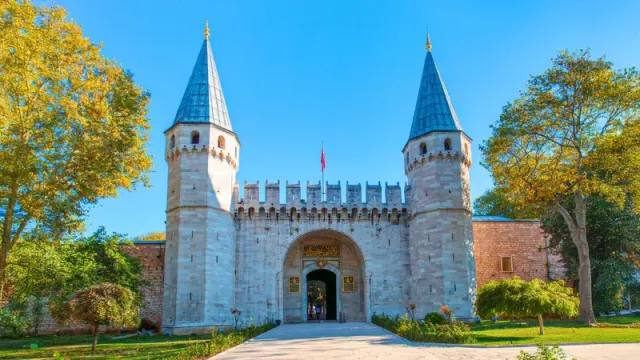
Topkapi Palace
Once the principal residence of Ottoman sultans, Topkapi Palace offers an opportunity to explore imperial history through its courtyards, collections, palace rooms and architectural details.
Basilica Cistern
A short walk from Hagia Sophia, the Basilica Cistern showcases Byzantine engineering through its underground columns, atmospheric lighting and impressive scale.
Istanbul Archaeological Museums
Visitors interested in ancient civilisations can explore collections that help explain the cultures and historical developments that shaped the region.
Exploring these attractions together provides a broader understanding of Istanbul's Byzantine and Ottoman heritage.
08 / 09 · 1 min read
8. Why Hagia Sophia Remains One of Istanbul's Most Important Landmarks
Hagia Sophia represents much more than a remarkable architectural achievement. It reflects the historical development of a city that has served as the centre of different empires and cultures.
Its Byzantine origins, Ottoman transformation, religious significance and architectural influence make it an extraordinary example of how historical buildings can preserve multiple layers of cultural heritage.
Hagia Sophia is also part of the Historic Areas of Istanbul, which were inscribed on the UNESCO World Heritage List in 1985.
For architecture enthusiasts, history lovers and travellers discovering Istanbul for the first time, it offers an opportunity to experience centuries of history within a single monument.
09 / 09 · 1 min read
Plan Your Hagia Sophia Visit with TripSpoiler
A visit to Hagia Sophia becomes more meaningful when you understand the stories behind its architecture, mosaics and historical transformations.
Take time to admire the monumental dome, explore the artistic details and discover how Byzantine and Ottoman traditions shaped this extraordinary landmark.
Planning to visit?